
Why Your Glove Box Vacuum Pump Needs an Oil Mist Filter
If you operate an inert atmosphere glove box, you know how critical the vacuum pump is for evacuating the antechamber and maintaining a stable atmosphere. But what happens to the oil vapor that escapes from the pump exhaust? Without proper filtration, that oil mist can contaminate your lab, degrade the performance of downstream equipment, and even compromise the purity of your glove box environment. That's where a vacuum pump oil mist filter becomes an essential component of your system.
Think of the oil mist filter as a final barrier between your vacuum pump and the outside world. It captures the tiny oil droplets that are carried out with the exhaust gas, preventing them from aerosolizing into the room. For glove box users, this is especially important because the pump often runs continuously during antechamber cycles, and any oil vapor released can settle on surfaces, create slip hazards, and cause respiratory irritation for lab personnel. More importantly, if your glove box shares a ventilation system with sensitive analytical instruments, oil mist can lead to costly contamination and downtime.
In this article, we'll walk through how a vacuum pump oil mist filter works, why it's indispensable for your glove box setup, how to choose the right one, and what maintenance looks like. Whether you're setting up a new lab or upgrading an existing system, understanding this small but vital accessory will help you protect your equipment and your people.
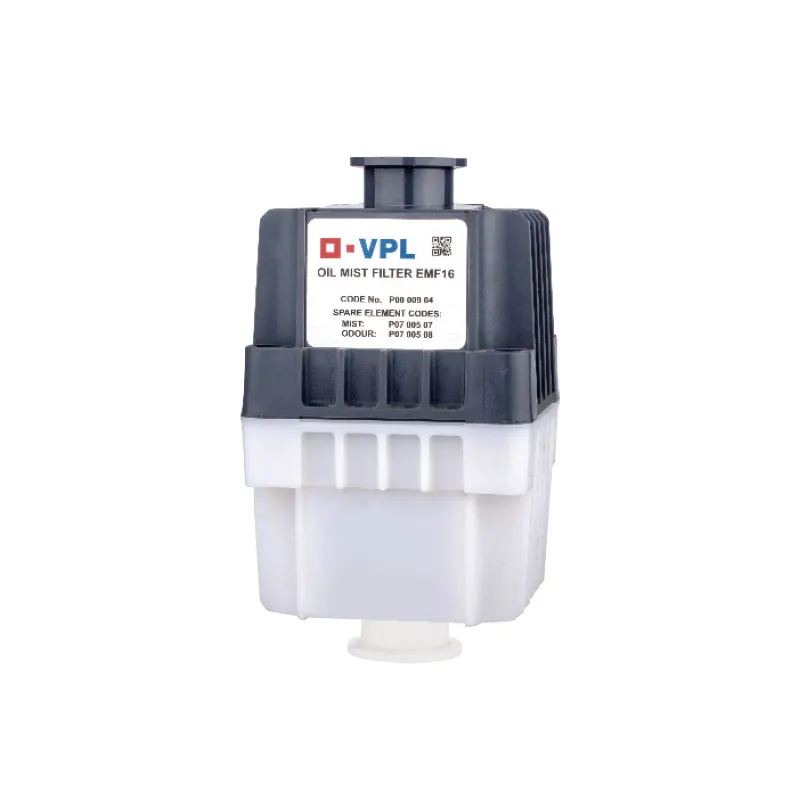
How a Vacuum Pump Oil Mist Filter Works
A vacuum pump oil mist filter, also known as an oil mist separator or exhaust filter, is installed at the exhaust port of your vacuum pump. Its primary job is to remove oil particles from the discharged gas before it enters the atmosphere. The filter element is typically made from high-efficiency glass fiber or similar media, arranged in a pleated design to maximize surface area while minimizing pressure drop.
Filtration Mechanism
When the exhaust gas passes through the filter, the oil droplets collide with the fine fibers and coalesce into larger droplets. These larger droplets then drain back into the pump's oil reservoir or collect in a separate container, depending on the filter design. The cleaned gas is then released into the room. This process typically achieves over 99% oil mist removal efficiency, resulting in virtually oil-free exhaust.
The pleated glass fiber media used in many industrial filters, including those compatible with glove box vacuum pumps, offers excellent resistance to high temperatures and corrosion. Compared to older paper-based filters, glass fiber filters can last up to 30% longer under harsh operating conditions, making them a cost-effective choice for continuous-duty applications.
Benefits for Glove Box Systems
For a glove box, the vacuum pump is often used to evacuate the antechamber before refilling with inert gas. A typical cycle involves pumping from atmospheric pressure down to a few millibars, then backfilling with argon or nitrogen. During this process, the pump expels a mixture of air and residual oil vapor. Without an oil mist filter, that vapor would be released directly into the lab. With a filter, you not only keep the lab clean but also reduce the frequency of oil top-ups, because the captured oil can be returned to the pump.
Many modern glove box vacuum pumps come with an integrated oil mist filter, but if your pump lacks one, or if you need a replacement, adding a high-quality vacuum pump oil mist filter is a straightforward upgrade. The filter typically connects via standard KF fittings (e.g., KF25 or KF40), making installation simple even for existing setups.
Selecting the Right Oil Mist Filter for Your Glove Box
Choosing the correct oil mist filter depends on several factors. Below are the key considerations to help you match the filter to your vacuum pump and glove box application.
1. Pump Type and Flow Rate
First, identify the model of your vacuum pump and its maximum pumping speed (usually expressed in m³/h or CFM). The filter must be rated for at least that flow rate to avoid excessive back pressure, which can reduce pumping efficiency and increase oil consumption. For example, a typical glove box vacuum pump with a pumping speed of 12 m³/h would require a filter with a similar or higher flow capacity.
2. Connection Size
Check the exhaust port size of your pump. Most small to medium vacuum pumps used in glove box systems have KF25 or KF40 flanges. The oil mist filter should have matching flanges for a leak-free connection. If you need to adapt sizes, KF vacuum clamps and centering rings are available separately.
3. Filter Media and Efficiency
Look for filters that use glass fiber media, as they offer the best combination of efficiency and longevity. A filter with a pleated design will provide a larger filtration area, which helps maintain low pressure drop even as the filter loads with oil. Verify that the filter is rated for continuous operation at typical pump exhaust temperatures (often up to 80–100°C).
4. Oil Return Capability
Some oil mist filters are designed with an oil return port that allows the captured oil to drain back into the pump, reducing oil consumption and maintenance intervals. This feature is particularly useful for glove box systems that run multiple cycles per day. If your pump does not have a dedicated oil return line, you can add a collection bottle to the filter drain port.
5. Environmental and Safety Considerations
In labs where flammable solvents or reactive gases are used, you may need an oil mist filter with an antistatic housing or ATEX certification. Always check the compatibility of the filter materials with the chemicals present in your glove box exhaust. The filter's glass fiber media is generally inert, but the housing and seals should be confirmed for your specific application.
Below is a comparison of common filter specifications you might encounter when selecting a replacement or upgrade:
| Parameter | Typical Range | Why It Matters |
|---|---|---|
| Filtration Efficiency | 99%+ for particles >0.3 µm | Ensures near oil-free exhaust, protecting lab air quality. |
| Max Operating Temperature | 80–120°C | Must withstand pump exhaust heat without degrading. |
| Connection Size | KF25 / KF40 | Must match pump exhaust port to avoid leaks. |
| Flow Capacity | 10–30 m³/h | Should be equal to or greater than pump's pumping speed. |
Installation and Maintenance Tips
Installing a vacuum pump oil mist filter is relatively simple, but proper placement and regular maintenance are key to long-term performance.
Installation Steps
- Position the filter close to the pump exhaust, preferably in a vertical or slightly inclined orientation to allow oil to drain back. If the filter does not have a return line, orient it so that the drain port is at the lowest point.
- Use KF clamps and centering rings to secure the connections. Ensure the O-rings are clean and properly seated to prevent leaks.
- Connect the oil return line (if applicable) to the pump's oil fill port or a collection bottle. Some pumps have a dedicated return port.
- Test the system by running the pump through a few antechamber cycles and checking for any oil leakage around the filter.
Maintenance Schedule
Over time, the filter element will become saturated with oil and debris, increasing pressure drop and reducing pump performance. Here's a general maintenance guideline:
- Inspect the filter element every 3–6 months, depending on usage frequency. If the filter appears dark, clogged, or if you notice increased oil mist in the exhaust, it's time to replace the element.
- Drain collected oil from the filter bowl or collection bottle regularly to prevent overflow. Many filters have a clear bowl so you can see the oil level.
- Replace the O-rings whenever you change the filter element to ensure a good seal.
- Monitor pump performance: if you observe a longer evacuation time or higher ultimate pressure, the filter may be clogged. Check the pressure differential across the filter if your system has gauges.
For glove box applications where the vacuum pump runs multiple times per day, we recommend keeping a spare vacuum pump oil mist filter on hand to minimize downtime during replacement.
Common Questions About Vacuum Pump Oil Mist Filters
Q: Can I run my glove box vacuum pump without an oil mist filter?
Technically yes, but we strongly advise against it. Running without a filter will release oil vapor into your lab, creating a slippery floor, contaminating other equipment, and exposing personnel to potential health risks. In addition, the oil mist can damage other sensitive devices in the lab, such as mass spectrometers or electron microscopes, if they share the same air handling system.
Q: How often should I replace the filter element?
This depends on the pump's duty cycle and the type of oil used. For a typical glove box that cycles the antechamber 10–20 times per day, the filter element may last 6–12 months. However, if the pump is used for continuous vacuum processes (e.g., vacuum drying), replacement may be needed every 3–4 months. Always check the manufacturer's recommendations and inspect the filter visually.
Q: What is the difference between an oil mist filter and an oil separator?
These terms are often used interchangeably. An oil mist filter generally refers to the same device as an oil separator. Both are designed to remove oil droplets from the exhaust gas. Some high-end separators include a coalescing stage that achieves even higher efficiency, but for most glove box applications, a standard oil mist filter is sufficient.
Q: Can I reuse the filter element after cleaning?
Some polyester-based filters can be washed and reused, but most glass fiber filters are designed for single use and should be replaced. Attempting to clean a glass fiber element can damage the media and reduce efficiency. It's more cost-effective to replace the element according to the maintenance schedule.
Integrating the Oil Mist Filter with Your Glove Box System
When you purchase a glove box vacuum pump from a reputable supplier, it often comes with an oil mist filter included or as an optional accessory. For example, a standard oil-lubricated rotary vane pump with a pumping speed of 12 m³/h and a KF25 exhaust port can be paired with a compatible filter. If you are using a dry scroll pump, which does not require oil, you may not need an oil mist filter, but you should still consider an inlet filter to protect the pump from dust.
For solvent-intensive applications, the exhaust may contain organic solvent vapors in addition to oil mist. In such cases, you may need an organic solvent vapor adsorption system downstream of the oil mist filter to capture those vapors. This combination provides comprehensive protection for both your equipment and the environment.
When selecting a filter, always check the product specifications for compatibility with your pump model. If you're unsure, consulting with the equipment supplier can help you avoid mismatches that could lead to leaks or reduced performance.
Final Thoughts
A vacuum pump oil mist filter is a small investment that pays off in cleaner lab conditions, longer pump life, and reduced maintenance costs. For any glove box system that uses an oil-sealed vacuum pump, this filter is not just an accessory—it's a necessity. By understanding how it works, selecting the right model, and performing routine maintenance, you can keep your glove box running smoothly and your laboratory safe.
If you are setting up a new glove box station or upgrading an existing one, consider adding a high-quality oil mist filter from a trusted manufacturer. TENCAN offers a range of vacuum pump oil mist filters that are compatible with common glove box vacuum pumps, ensuring a perfect fit and reliable performance. With the right filter in place, you can focus on your research without worrying about oil contamination.