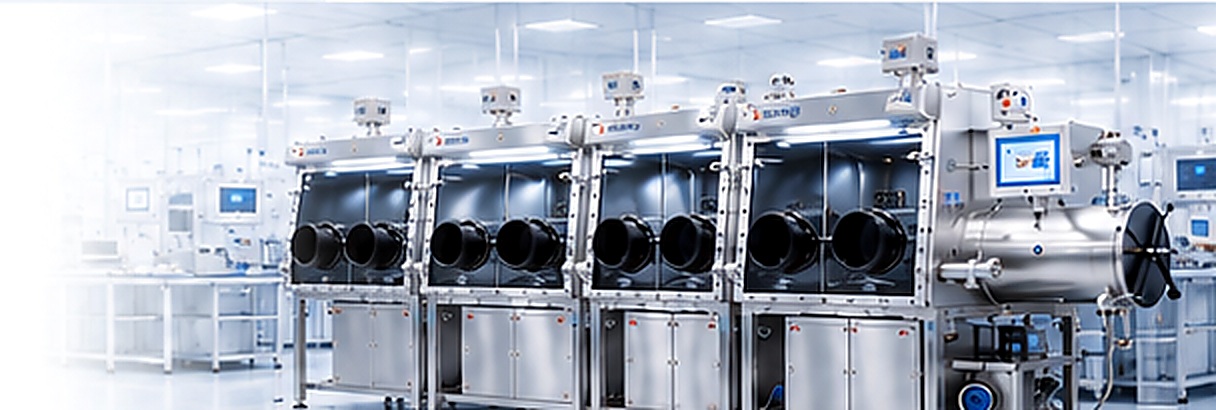
Why Pressure Monitoring Matters in a Glove Box
When you operate a glove box for moisture‑ and oxygen‑sensitive materials, maintaining a stable inert atmosphere is your top priority. You carefully control H₂O and O₂ levels, choose the right gas purification system, and train your team on proper antechamber procedures. But one parameter that is often overlooked is the internal pressure of the box itself.
A glove box is a sealed enclosure that typically operates at a slight positive pressure relative to the surrounding laboratory environment. This positive pressure prevents ambient air – with its moisture and oxygen – from leaking into the box through small gaps around gloves, ports, or feedthroughs. If the pressure drops too low, the risk of contamination rises. If it rises too high, the box may experience excessive stress on seals and windows, or even trigger safety relief valves unnecessarily.
That is why a high precision pressure transmitter is an essential component of any serious glove box setup. It gives you real‑time, accurate pressure readings so you can maintain the ideal working pressure consistently. In many laboratory glove boxes, the target pressure range is between 0.5 mbar and 2 mbar above atmospheric pressure, depending on the specific configuration and material requirements. A precision transmitter helps you stay within that narrow window.
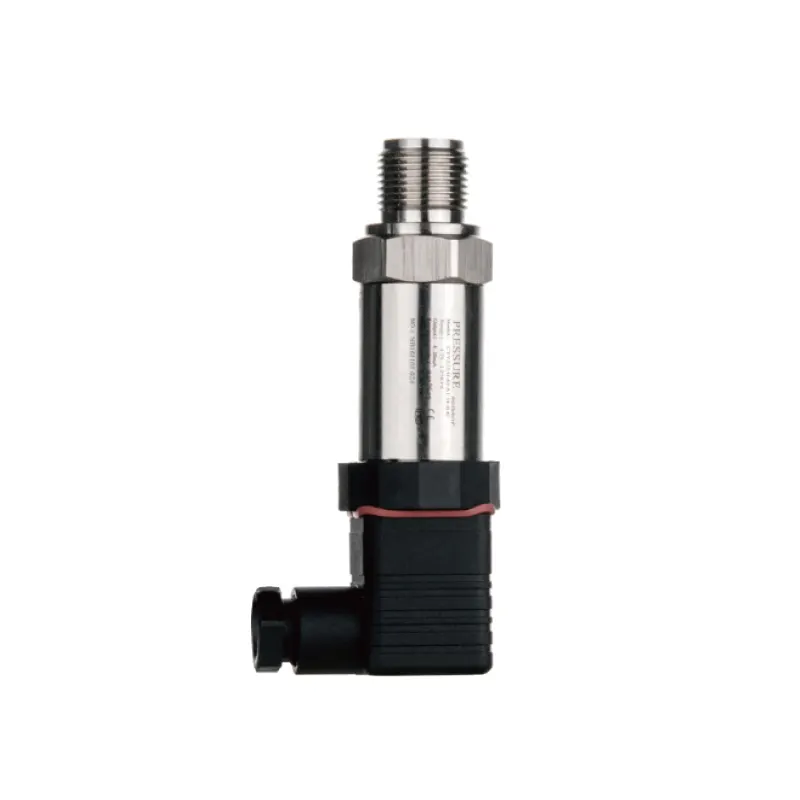
How a High Precision Pressure Transmitter Works
A pressure transmitter converts the physical pressure inside the glove box into an electrical signal that can be read by a controller, PLC, or display. The term “high precision” means that the device has excellent accuracy, low drift, and good long‑term stability – typically within ±0.25% of full scale or better. For glove box applications, pressure transmitters often use a piezoelectric or capacitive sensing element, which provides fast response and reliable performance even at very low differential pressures.
The transmitter is usually mounted on a dedicated port of the glove box, often with a KF vacuum fitting for easy installation and maintenance. It continuously measures the pressure difference between the inside of the box and the ambient atmosphere (or a reference vacuum). The output signal, commonly 4–20 mA or 0–10 V, is sent to the glove box control system. The control system then adjusts the gas inlet valve, exhaust valve, or the circulation fan speed to keep the pressure steady.
In advanced glove box systems, the pressure transmitter works together with the gas purification unit and the antechamber vacuum pump. When you transfer materials through the antechamber, the pressure inside the main box may fluctuate. The transmitter detects these changes instantly, and the controller compensates by adding or releasing inert gas. This closed‑loop control is what makes modern glove boxes capable of maintaining H₂O and O₂ levels below 1 ppm for extended periods.
Key Benefits of Using a High Precision Pressure Transmitter
1. Improved Atmosphere Stability
Even small pressure fluctuations can cause micro‑leaks. A precise transmitter enables the control system to keep the pressure virtually constant, which in turn reduces the ingress of moisture and oxygen. This is especially important when you are working with highly reactive materials such as lithium metal, organic perovskites, or air‑sensitive catalysts.
2. Enhanced Operator Safety
If the glove box over‑pressurizes, seals may rupture, or gloves may balloon out, posing a safety hazard. A high‑precision transmitter provides early warning and allows the system to regulate pressure before it reaches dangerous levels. Many setups also include an alarm that triggers if pressure exceeds a preset threshold.
3. Reduced Gas Consumption
When you rely on a simple pressure gauge or low‑accuracy sensor, the control system may over‑compensate, causing unnecessary purging of expensive inert gas (argon, nitrogen, or helium). A precise transmitter reduces the dead band and hysteresis, so the system only adds gas when truly needed. Over a year of operation, this can lead to significant savings.
4. Reliable Data for Process Reproducibility
If you are conducting research that requires strict control of environmental conditions, logging pressure data alongside temperature, humidity, and oxygen levels helps you replicate experiments accurately. A high‑precision transmitter with a 4–20 mA output can be easily integrated into a data acquisition system.
Selecting the Right Pressure Transmitter for Your Glove Box
When choosing a high precision pressure transmitter for your glove box, consider the following factors:
- Measurement range: Most glove boxes operate between -10 mbar and +10 mbar relative to atmosphere. Select a transmitter with a range that covers your expected operating window while providing good resolution at typical working pressures (e.g., 0–10 mbar or ±5 mbar).
- Accuracy and stability: Look for a transmitter with ≤0.25% full scale accuracy, low temperature drift, and long‑term stability. For critical applications, even better specs may be desirable.
- Output signal: Common choices are 4–20 mA (two‑wire) or 0–10 V. Ensure compatibility with your glove box controller or PLC.
- Process connection: KF16, KF25, or KF40 flanges are standard in glove box systems. The transmitter should have a matching vacuum‑tight fitting.
- Wetted materials: The sensor diaphragm and housing should be compatible with your inert gas and any solvent vapors that may be present. Stainless steel and ceramic diaphragms are typical.
- Environmental protection: If the transmitter is installed in a harsh environment (e.g., with solvent exposure), consider an IP65 or higher rated enclosure.
It is also wise to verify that the transmitter can be calibrated or re‑zeroed without removing it from the glove box. Some models offer a remote zero adjustment feature, which simplifies maintenance.
Integration with Glove Box Control Systems
Modern glove boxes are often equipped with a PLC and touchscreen interface that display pressure, moisture, oxygen, and other parameters in real time. The high precision pressure transmitter becomes a key input to this system. The PLC can be programmed to:
- Maintain a constant pressure setpoint by adjusting the inlet and exhaust valves.
- Trigger an alarm if the pressure deviates beyond a safe range.
- Log pressure data for later analysis.
- Automatically initiate a gas purge when the pressure drops too low after an antechamber cycle.
When upgrading an existing glove box, you can often retrofit a high‑precision transmitter by replacing a simple pressure gauge or a less accurate sensor. Many systems have spare KF ports where you can install the new transmitter. Just make sure the electrical connections match your controller’s input requirements.
Common Questions About Glove Box Pressure Transmitters
Do I really need a high‑precision transmitter, or is a standard pressure switch enough?
A pressure switch only provides a binary on/off signal at a preset threshold. It cannot tell you the exact pressure value or help you maintain a fine‑tuned setpoint. For laboratories that require strict atmosphere control, a continuous‑output, high‑precision transmitter is strongly recommended. It gives you the visibility and control necessary to keep your experiments reproducible.
Can I use a differential pressure transmitter for glove box?
Yes. A differential pressure transmitter measures the difference between the box interior and the ambient atmosphere. This is exactly what you need. Some transmitters are absolute pressure sensors, but for glove box work, a gauge or differential sensor is more common.
How often should the transmitter be calibrated?
Calibration intervals depend on the manufacturer’s recommendation and the criticality of your application. Typically, annual calibration is sufficient. However, if you notice drift or the pressure readings seem inconsistent, check sooner. Many high‑precision transmitters have excellent long‑term stability, so you can trust the readings for months of continuous operation.
Conclusion
A high precision pressure transmitter is a small but vital component of a well‑functioning glove box. It safeguards your inert atmosphere, improves safety, reduces gas consumption, and supports experimental reproducibility. Whether you are building a new glove box system or upgrading an existing one, investing in a quality pressure transmitter pays off in the long run.
If you are evaluating options for your laboratory, consider the high precision pressure transmitter available from TENCAN. It is designed to meet the demanding requirements of glove box applications, with reliable performance and easy integration. For more information about glove box accessories such as port covers, sealing rings, or moisture analyzers, explore the full range of glove box accessories to complete your system.