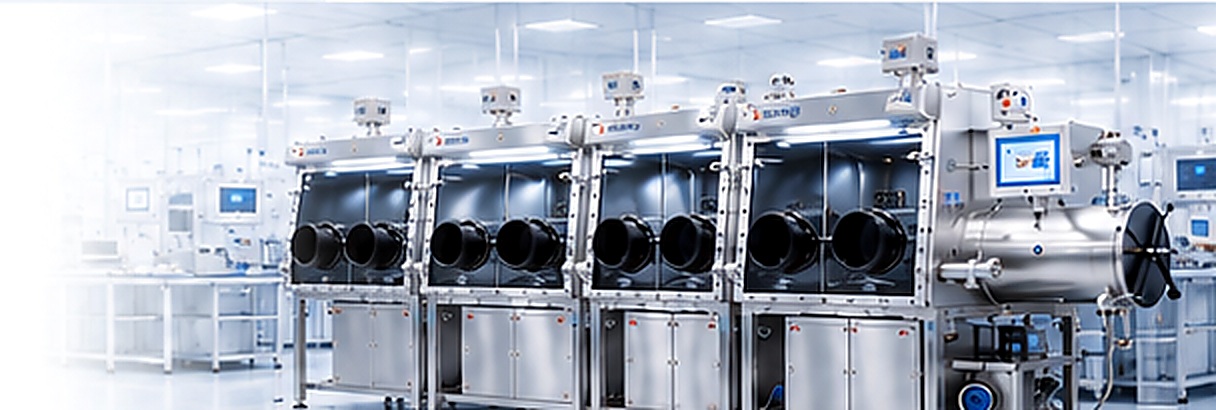
What Is a Glove Box Glove Port and Why Does It Matter?
When you operate an inert atmosphere glove box, your hands are the primary interface between you and the controlled environment. The component that makes this connection possible is the glove box glove port. It is a circular flange mounted on the glove box wall, designed to securely hold the glove's cuff and provide a sealed passage for your hands. Without a properly designed and maintained glove port, even the best gas purification system cannot keep water and oxygen levels below 1 ppm.
In this article, we will walk through the function of glove ports, the materials and sizes available, how to choose the right one for your application, and essential maintenance practices to prevent leaks and prolong the life of your gloves.
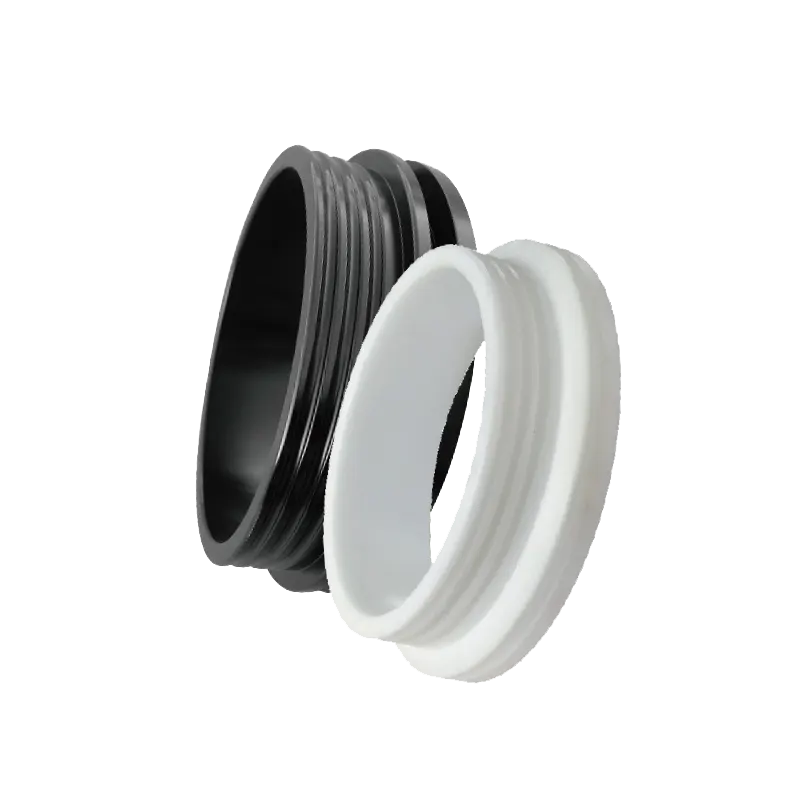
How a Glove Port Works
A typical glove port consists of a metal or plastic ring that is welded or bolted to the glove box wall. The glove cuff is fitted over the outer lip of the ring and secured with a clamping ring, O-ring, or a combination of sealing elements. The glove port must maintain a gas-tight seal under both positive and negative pressure fluctuations that occur during normal operation—such as when you insert or withdraw your hands or when the box is purged.
The port also serves as a mechanical support for the glove. It must withstand the pulling forces exerted during handling and must not deform or crack over time. Most laboratory glove boxes use ports made of stainless steel, anodized aluminum, or high-strength plastic (e.g., POM or PEEK), depending on the chemical environment. For applications involving aggressive solvents, stainless steel or chemically resistant polymers are preferred.
Sealing Mechanism
Two common sealing methods are used:
- Clamp-style: A metal or plastic clamping ring compresses the glove cuff against the port flange. This is simple and allows quick glove replacement.
- O-ring/groove-style: The glove cuff is trapped between an inner and outer O-ring, creating a more uniform seal. This design is often used in high-vacuum or ultra-low oxygen applications.
The choice depends on how frequently you change gloves and the level of leak tightness required. For most research applications, clamp-style ports provide sufficient sealing while keeping glove changes straightforward.
Key Factors to Consider When Selecting a Glove Port
Choosing the right glove port is not just about matching the diameter of your glove. Here are several parameters that affect performance and compatibility.
Port Diameter and Glove Size
Glove ports are available in standard diameters, with 8 inches (203 mm) and 10 inches (254 mm) being the most common in laboratory glove boxes. The port diameter determines the maximum cuff size and, consequently, the hand size of the glove. Smaller ports (e.g., 6 inches) are sometimes used for compact or single-station boxes, while larger ports (12 inches or more) may be found in dual-workstation or industrial enclosures.
When selecting a glove port, you must ensure that the glove cuff you intend to use fits snugly. A loose fit will compromise the seal, while an overly tight fit can damage the cuff during installation. Most glove manufacturers provide a recommended port diameter for each glove model.
Material Compatibility
The port material must resist the chemicals present in your glove box environment. For example:
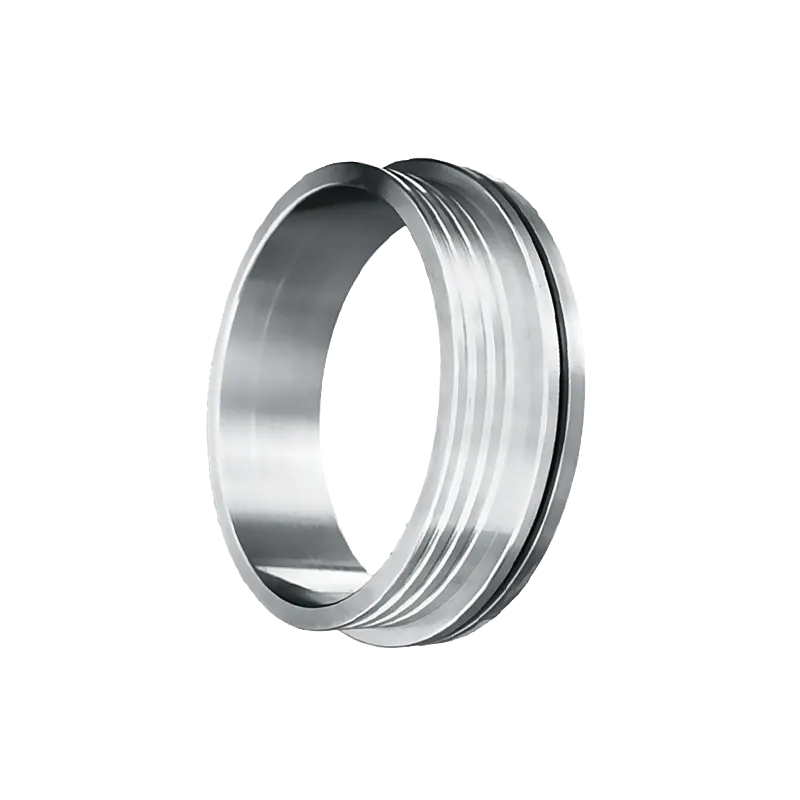
- Stainless steel (304 or 316): Excellent for most organic solvents, acids, and bases. Suitable for annealing, OLED, and lithium battery research.
- Anodized aluminum: Lightweight and cost-effective, but may corrode in strong acid or halogenated solvent environments.
- Polymer (POM, PEEK, PTFE): Chemically inert and non-conductive, often used in pharmaceutical or semiconductor applications where metal contamination is a concern.
Also consider the glove port sealing ring (often an O-ring or gasket). The sealing ring is typically made of Viton, EPDM, or silicone. Viton offers excellent chemical resistance, while EPDM performs well in low-temperature applications. Silicone is less resistant to solvents but remains flexible over a wide temperature range.
Glove Material and Thickness
The glove port must be compatible with the glove material. Butyl rubber gloves are the most common choice for inert atmosphere glove boxes because of their excellent barrier properties against moisture and oxygen. However, butyl gloves are relatively thick (typically 0.4 mm to 0.7 mm) and require a port design that can accommodate the cuff thickness without excessive force.
Other glove materials include neoprene, nitrile, EPDM, and Hypalon. Each has a different stiffness and cuff thickness. When in doubt, test the glove with the port before ordering in bulk.
Installation and Replacement Best Practices
Even the best glove port assembly will leak if installed incorrectly. Here are steps to ensure a reliable seal.
Preparing the Port Surface
Clean the port flange and O-ring groove thoroughly with isopropanol or a suitable solvent. Remove any dirt, grease, or old sealant. Inspect the sealing ring for cracks, deformation, or embedded particles. Replace it if any damage is visible.
Mounting the Glove
- Slide the glove cuff over the port flange.
- Position the clamping ring or O-ring over the cuff.
- Tighten the clamping mechanism evenly, using a torque wrench if specified. Over-tightening can distort the flange or cut the glove cuff.
- Perform a leak test: close the glove box, pressurize slightly (e.g., 2–3 mbar), and spray a soap solution around the port. If bubbles appear, re-tighten or reseat the glove.
Regular Maintenance
Check glove ports every time you change gloves. Look for signs of wear on the sealing ring, corrosion on the metal flange, or cracks in the polymer. A small leak at the glove port can cause the water and oxygen levels to rise slowly, making it difficult to maintain low ppm values. In many cases, a leaking port is the culprit behind a persistent moisture problem.
Replace the sealing ring at least once a year, or more frequently if the glove box is used daily with aggressive chemicals. Keep a spare set of glove port sealing rings in your lab inventory.
Common Issues and Troubleshooting
1. Water or Oxygen Spike After Glove Change
If you notice a sudden increase in H₂O or O₂ after replacing gloves, the most likely cause is an incomplete seal at the port. Remove the glove, clean the port and sealing ring, and reinstall. If the problem persists, try a new sealing ring.
2. Glove Slipping Off the Port
This can happen if the clamping ring is not tight enough or if the glove cuff is too thin. Use a thicker glove or add a second O-ring. Some manufacturers offer adapters for different cuff thicknesses.
3. Corrosion on the Port Flange
If your glove box environment contains corrosive vapors (e.g., from halogenated solvents), consider upgrading to a stainless steel or PTFE-coated port. Regular cleaning after each use also helps.
Integration with the Glove Box System
The glove port is just one part of the overall seal chain. Other critical components include the glove box port cover (used to seal the port when no glove is installed), the antechamber for transferring materials, and the vacuum pump for evacuation. All these elements must work together to maintain the inert atmosphere.
When designing or upgrading a glove box, pay attention to the number and position of glove ports. A typical single-workstation glove box has two ports (one for each hand). Multi-workstation boxes may have four, six, or more ports. The port spacing should allow comfortable arm movement without interfering with adjacent ports.
Final Thoughts
The glove box glove port is a small but essential component that directly impacts the quality of your inert atmosphere. By selecting the right port diameter, material, and sealing method, and by maintaining it properly, you can extend the life of your gloves and keep your water and oxygen levels consistently low. Whether you are working with air-sensitive organometallics, lithium metal, or perovskite solar cells, a reliable glove port is the first line of defense against contamination.
For more information on glove box accessories, including glove box glove ports, port covers, and sealing rings, consult the product pages or speak with a glove box specialist to ensure your system is configured for your specific application.