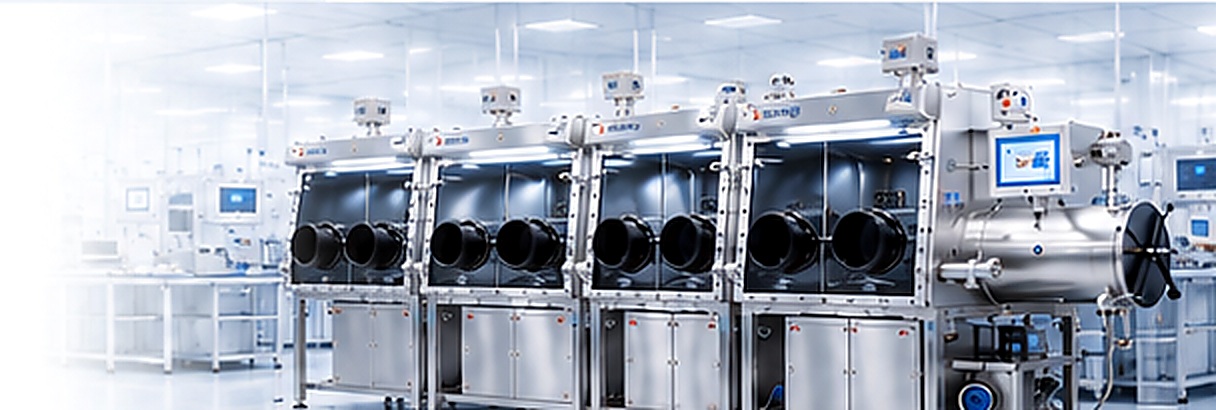
Introduction: Why Your Glove Box Needs a HEPA Filter Cartridge
If you work with air-sensitive materials—whether it's lithium metal for battery research, perovskite precursors for solar cells, or reactive organometallic compounds—you already know that maintaining a low-moisture, low-oxygen environment inside your glove box is essential. But there's another contaminant that can silently compromise your experiments: particulate matter. Dust, fibers, and even particles generated from glove wear or sample handling can circulate inside the chamber, potentially settling on substrates, contaminating solutions, or interfering with sensitive analytical measurements.
That's where the HEPA filter cartridge comes in. It's a small but vital component of your glove box's gas circulation system. In this guide, we'll explain what a HEPA filter cartridge does, how it works, when you should consider replacing it, and how to choose the right one for your laboratory setup.
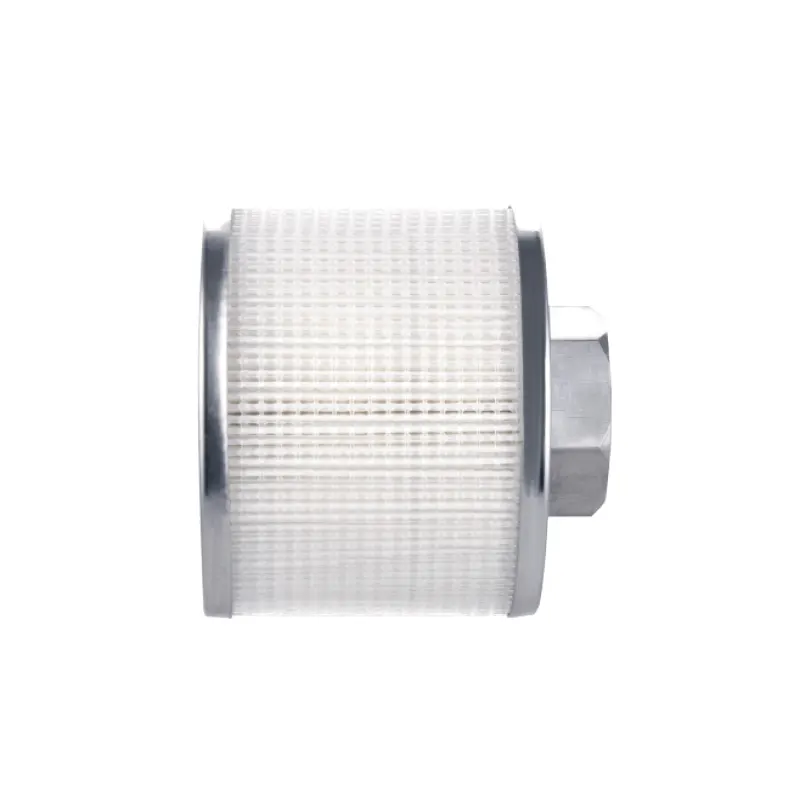
What Is a HEPA Filter Cartridge and How Does It Work in a Glove Box?
HEPA stands for High-Efficiency Particulate Air. A HEPA filter cartridge is designed to capture at least 99.97% of airborne particles with a diameter of 0.3 micrometers. In a laboratory glove box, the filter cartridge is typically installed in the gas purification loop or at the inlet/outlet of the recirculation system. As the inert gas (argon, nitrogen, or helium) circulates through the purification columns to remove moisture and oxygen, it also passes through the HEPA filter to trap particles.
The filter media is usually made of fine glass fibers or synthetic materials, pleated to maximize surface area while maintaining low airflow resistance. The entire cartridge is sealed inside a rigid frame to prevent bypass leakage. In a well-designed glove box, the HEPA filter cartridge ensures that the gas introduced into the chamber is not only dry and oxygen-free but also particle-free.
Why Particle Removal Is Important in an Inert Atmosphere
Even in a glove box with H₂O and O₂ levels below 1 ppm, invisible particles can originate from several sources:
- Glove wear: Butyl rubber or neoprene gloves shed microscopic particles during repeated flexing.
- Sample handling: Powders, fibers, or fragments from materials being processed can become airborne.
- Tool abrasion: Metal or plastic tools scraping against each other or the chamber walls can generate fine debris.
- External contamination: During transfer through the antechamber, even with proper purge cycles, tiny particles may enter the box.
These particles can degrade the quality of your experiments. For example, in OLED device fabrication, dust particles can cause short circuits or dark spots. In lithium battery research, particulates can trigger unwanted side reactions. In semiconductor processing, even submicron particles can ruin a wafer. A HEPA filter cartridge acts as the final line of defense, keeping the working atmosphere clean.
When Should You Replace the HEPA Filter Cartridge?
Unlike the purification columns (which are regenerated periodically), the HEPA filter cartridge is a consumable item that needs to be replaced when it becomes loaded with particles. The replacement frequency depends on several factors:
- Usage intensity: A heavily used glove box with frequent sample transfers and internal operations will accumulate particles faster.
- Type of materials handled: Powders and reactive materials that generate dust will clog the filter more quickly.
- Quality of gas supply: If the inert gas source itself contains particles, the filter will have to work harder.
- Antechamber operation: Frequent cycling of the antechamber may introduce more particulates.
As a practical reference, many laboratories schedule replacement every 6 to 12 months or when they notice a significant increase in gas circulation pressure drop. Some advanced glove box systems include a differential pressure gauge across the filter to indicate when it is time for a change. If you observe that the recirculation flow rate is dropping or the purification system is struggling to maintain set points, it's worth checking the filter cartridge.
How to Choose the Right HEPA Filter Cartridge for Your Glove Box
Selecting a compatible HEPA filter cartridge is not just about size—it's about matching the filter's performance to your glove box's design and your application needs. Here are the key considerations:
1. Physical Dimensions and Mounting
Glove box manufacturers design filter housings with specific dimensions. The most common form factors are cylindrical or rectangular cartridges. Always check the outer diameter, length, and sealing method (e.g., O-ring or gasket). Using a filter that doesn't seal properly will allow unfiltered gas to bypass the media, defeating the purpose. For TENCAN glove boxes, the HEPA filter cartridge is designed as a direct replacement, ensuring a perfect fit and reliable sealing.
2. Filtration Efficiency
Most laboratory glove box applications require a minimum of H13 or H14 grade HEPA filters, which offer 99.95% to 99.995% efficiency at the most penetrating particle size (MPPS). For ultra-clean environments such as OLED research or semiconductor handling, H14 is recommended. For general material handling, H13 is often sufficient.
3. Media Type and Compatibility
Standard HEPA filter media made of glass microfibers or synthetic fibers is suitable for inert gas environments. However, if you are working with corrosive gases or solvents that might condense inside the filter, you need a chemically resistant media. For example, some solvent vapor adsorption systems include a pre-filter to protect the HEPA cartridge. Always confirm that the filter media can withstand the chemical environment inside your glove box.
4. Operating Temperature and Pressure
HEPA filters are typically rated for ambient temperature (up to 60–80°C). If your glove box undergoes a regeneration cycle that heats the gas, ensure the filter cartridge can tolerate the temperature. Also, check the maximum differential pressure rating to avoid collapsing the pleats under high flow resistance.
Installation and Maintenance Best Practices
Replacing a HEPA filter cartridge is straightforward, but it should be done carefully to avoid introducing contamination into the glove box. Here are the steps we recommend:
- Prepare the replacement: Open the new filter cartridge packaging in a clean environment. Inspect the sealing gasket for any damage.
- Isolate the filter section: If your glove box has valves that allow you to isolate the filter housing from the main chamber, close them. Otherwise, you may need to temporarily shut down the purification system.
- Remove the old cartridge: Wear clean gloves to avoid transferring oils or particles. Carefully detach any clamps or screws holding the housing.
- Clean the housing: Wipe the interior surfaces of the filter housing with a lint-free cloth and a compatible solvent (if needed). Ensure no debris falls into the gas line.
- Install the new cartridge: Insert the new HEPA filter cartridge, ensuring it is oriented correctly. Tighten the clamps or screws evenly to achieve a uniform seal.
- Purge the housing: Before reopening the isolation valves, purge the filter housing with inert gas to remove any air that entered during the replacement.
- Restart circulation: Open the valves and restart the gas circulation. Monitor the H₂O and O₂ readings to confirm the system stabilizes.
After replacement, it's a good practice to record the date and note any changes in system performance. Some laboratories keep a log of filter replacements alongside other maintenance actions.
Common Questions About Glove Box HEPA Filter Cartridges
Can I clean and reuse a HEPA filter cartridge?
No. HEPA filters are designed for single use. Attempting to clean them—by vacuuming, washing, or blowing compressed air—can damage the delicate media fibers and create microscopic holes that reduce filtration efficiency. Always replace the cartridge with a new one.
Does a HEPA filter affect the moisture or oxygen level?
No. HEPA filters only remove solid particles. They do not absorb moisture or oxygen. The purification columns (containing copper catalyst and molecular sieves) handle the chemical removal of H₂O and O₂. However, a clogged HEPA filter can restrict gas flow, which indirectly reduces the circulation rate and may slow down the purification process. Regular replacement ensures optimal flow.
What happens if I don't use a HEPA filter?
Without a HEPA filter, particles will circulate freely inside the chamber. Over time, they can accumulate on sensitive equipment (balances, microscopes, probes) and contaminate samples. In some processes, particles can even catalyze unwanted reactions. We strongly recommend always using a HEPA filter cartridge as part of your glove box system.
Conclusion: Keep Your Glove Box Clean and Your Research Reliable
A glove box is an investment in the quality and reproducibility of your work. While the purification system gets most of the attention for maintaining low H₂O and O₂, the HEPA filter cartridge plays a quiet but essential role in keeping the internal atmosphere clean. Whether you work with battery materials, organic electronics, or sensitive chemicals, a properly maintained HEPA filter helps you avoid particulate contamination and ensures your results are not compromised by invisible dust.
When the time comes to replace your filter, choose a cartridge that matches your glove box's specifications. For a direct fit and reliable performance, consider the HEPA filter cartridge designed for TENCAN glove box systems. If you are unsure about compatibility or have questions about your specific setup, our technical team can help you select the right accessory for your application.