Introduction
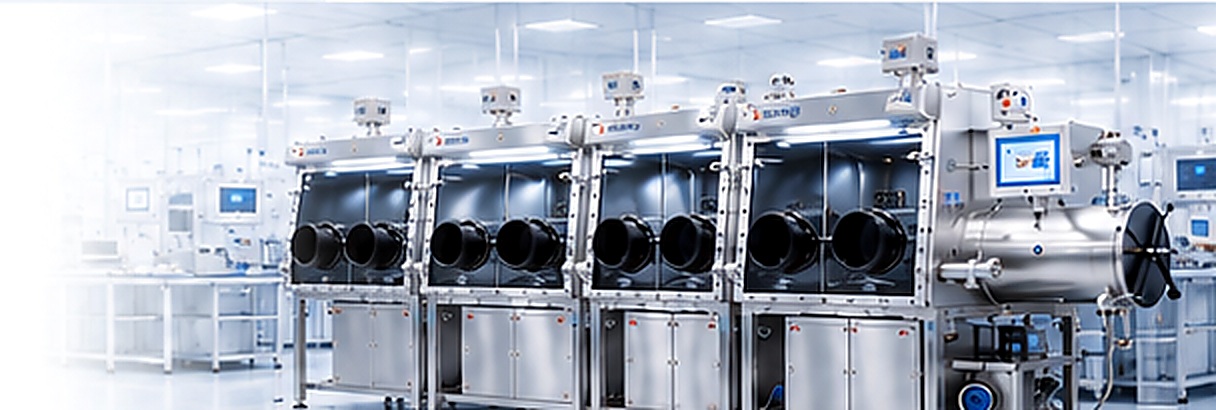
If you work with moisture-sensitive or oxygen-sensitive materials, you know how critical it is to maintain a controlled environment. Traditional stainless steel glove boxes are excellent, but they can be heavy, expensive, and sometimes limit visibility. The GBT Series Acrylic Glove Box provides an alternative: a transparent, lightweight, and cost-effective solution that still delivers reliable inert atmosphere protection. Whether you are handling air-sensitive catalysts, assembling lithium batteries, or preparing OLED materials, an acrylic glove box can help you see your work clearly while keeping H₂O and O₂ levels low.
What Is the GBT Series Acrylic Glove Box?
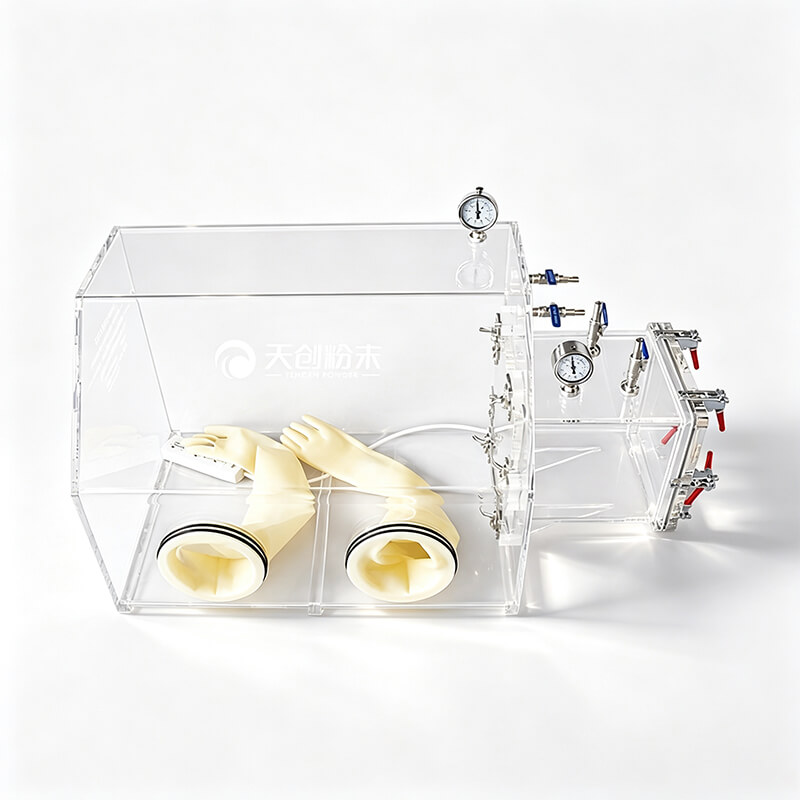
The GBT Series is a range of acrylic glove boxes manufactured by TENCAN. The main chamber is made from high-quality cast acrylic (PMMA), also known as plexiglass. PMMA offers excellent transparency (over 92% light transmission), high impact resistance (about 7–18 times stronger than ordinary glass), and good chemical resistance to many solvents and acids. Unlike stainless steel chambers, the acrylic body allows you to observe experiments from almost any angle, which is particularly beneficial for processing delicate samples or monitoring glove operations.
The GBT Series comes in several standard sizes and can also be customized to meet specific chamber dimensions, glove port configurations, and accessory requirements. Typical chamber lengths range from 650 mm to 1500 mm, with depths around 750 mm and heights around 900 mm. This provides enough workspace for single or dual workstation setups.
Key Features and Configuration Options
Transparent PMMA Chamber
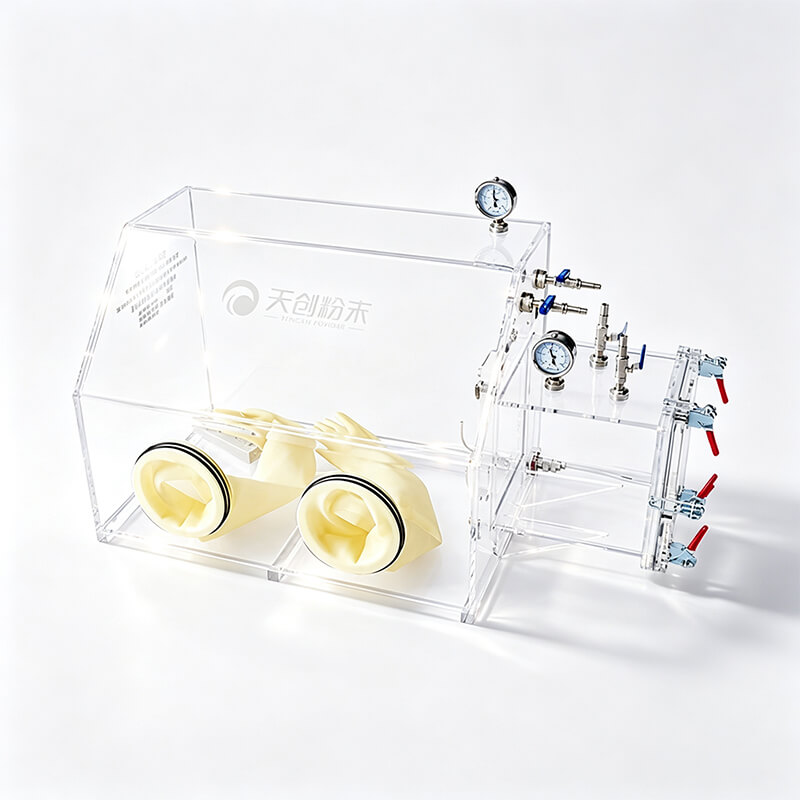
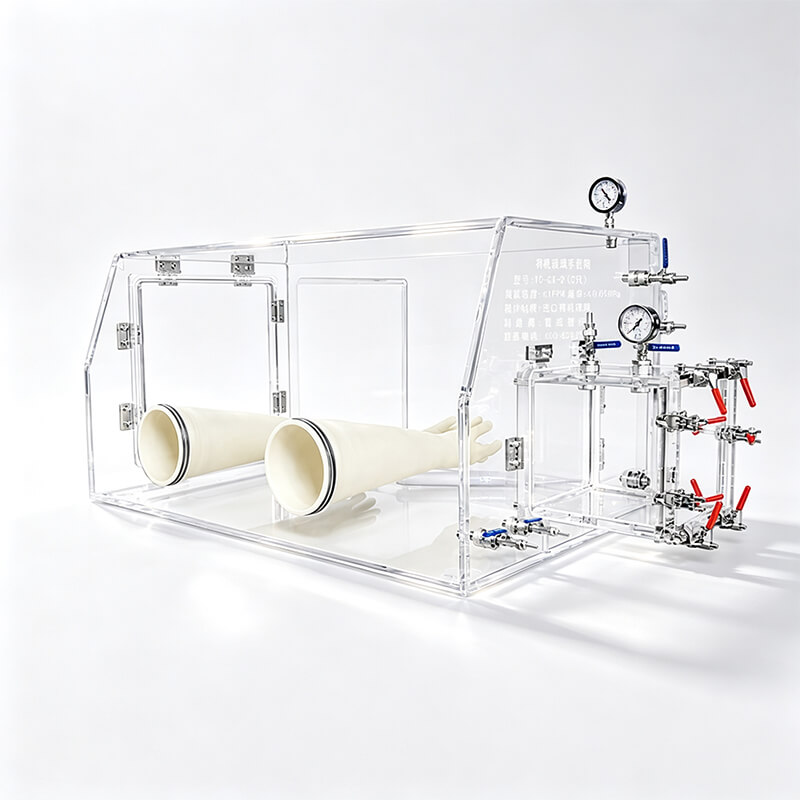
The entire chamber is constructed from clear acrylic panels, bonded and sealed to achieve low leak rates. You can see inside without relying on windows or cameras. For many researchers, this direct visibility reduces the risk of errors when handling small or fragile items.
Inert Atmosphere and Gas Purification
The GBT Series can be equipped with an optional integrated gas purification system. When paired with a purification column (typically containing copper catalyst and molecular sieves), the glove box can achieve H₂O and O₂ concentrations below 1 ppm each. The system uses a closed-loop circulation fan to continuously remove moisture and oxygen from the working gas (argon, nitrogen, or helium). The purification column is regenerable, meaning it can be reused for many cycles – typically requiring regeneration once a year under normal laboratory usage.
Automatic Antechamber Control
A transfer chamber (antechamber) is standard on most GBT models. It allows you to introduce samples, tools, and materials without breaking the main atmosphere. The antechamber is equipped with automatic purge/evacuation cycles controlled by a PLC and touchscreen interface. Typically, 3 to 5 pump-and-fill cycles are sufficient to reduce oxygen and moisture in the antechamber to match the main chamber level.
Touchscreen PLC Controller
The control system includes a color LCD touchscreen that lets you monitor and adjust pressure, gas circulation, and purification status. Energy-saving modes automatically reduce power consumption by up to 90% during idle periods. The system also supports data logging and alarm functions for oxygen, moisture, and pressure deviations.
Gloves and Ports
You can choose from various glove materials – butyl rubber, neoprene, or EPDM – depending on your chemical compatibility requirements. Standard configurations offer 2 or 3 glove ports per workstation. The glove ports are designed to accept standard diameter gloves and can be easily replaced when worn.
Applications of the GBT Acrylic Glove Box
Because of its excellent visibility and controllable atmosphere, the GBT Series is used in many fields:
- Lithium battery research and assembly: Handling lithium metal, electrolytes, and cathode/anode materials that degrade in air.
- Organic electronics (OLED, OPV): Processing organic semiconductors and encapsulation layers.
- Catalyst and organometallic chemistry: Working with air-sensitive catalysts like Grignard reagents or phosphine complexes.
- Pharmaceutical development: Formulating moisture-sensitive active ingredients or performing sterile isolations.
- Nanomaterial synthesis: Handling pyrophoric or highly reactive nanoparticles.
- Solar cell fabrication: Perovskite layer deposition and device testing.
- Additive manufacturing (3D printing): Using inert atmosphere to prevent oxidation of metal powders.
Technical Considerations for Choosing an Acrylic Glove Box
Material Compatibility
Acrylic (PMMA) is resistant to many common solvents, including alcohols, aliphatic hydrocarbons, and dilute acids. However, it can be attacked by strong solvents such as acetone, dichloromethane, or esters. If your work involves aggressive organic solvents, you may need to check compatibility or opt for stainless steel. For most typical research applications, PMMA performs well.
Leak Rate and Atmosphere Control
Acrylic glove boxes can achieve low leak rates (<0.05 vol%/h) when properly assembled. However, the overall leak rate also depends on the sealing gaskets and glove integrity. Regular leak testing (using pressure decay or trace gas methods) is recommended. The achievable H₂O and O₂ levels depend on several factors: box leak rate, glove condition, antechamber operation frequency, purification column condition, and ambient humidity and temperature. Under typical conditions with good maintenance, <1 ppm is achievable.
Gas Purification System
If your process requires the lowest possible water and oxygen levels, you should choose the GBT model with an integrated purification system. The purification column is regenerated using a gas mixture (e.g., N₂/H₂ 5% or Ar/H₂ 5%) at elevated temperatures (200–300°C). Regeneration typically takes several hours and can be executed automatically via the PLC.
Customization Options
TENCAN offers flexible customization for the GBT Series:
- Chamber length, depth, height
- Number and position of glove ports
- Antechamber size and orientation
- Single-sided or double-sided operation
- Additional feedthroughs (electrical, USB, gas, liquid)
- Integrated vacuum oven or solvent purification system
- Height-adjustable frames and casters
How to Select the Right Acrylic Glove Box for Your Lab
Choosing the right model starts with understanding your application requirements:
- What materials will you handle? Determine their sensitivity to moisture and oxygen. For most lithium battery and OLED processes, <1 ppm is recommended. For simpler handling (e.g., just dry atmosphere), a lower specification may suffice.
- How much workspace do you need? Consider the size of your equipment (e.g., spin coater, balance, microscope) that will sit inside the box. A 1200 mm chamber is suitable for one workstation; 1500 mm or longer can accommodate two workstations or larger instruments.
- How often do you transfer materials? If you frequently bring samples in and out, an automatic antechamber with multiple cycles will save time and maintain atmosphere quality.
- What is your budget? Acrylic glove boxes are generally more economical than stainless steel models, but the cost increases with purification systems and advanced controls.
For a detailed quotation, it is helpful to provide the following information: chamber dimensions, number of workstations, target H₂O/O₂ levels, gas type (Ar, N₂, or He), glove material preference, local voltage/frequency, and any special feedthroughs or accessories.
Maintenance and Safety Tips
- Regularly inspect gloves for pinholes or cracks – replace immediately if damaged.
- Monitor the purification column status; regenerate when moisture or oxygen levels start to rise.
- Check O-rings and door seals for wear; replace periodically.
- Calibrate the moisture and oxygen analyzers according to the manufacturer’s instructions (typically every 6–12 months).
- Never exceed the rated pressure of the chamber (usually 10–15 mbar above atmospheric).
- When working with flammable or hazardous materials, ensure proper ventilation and emergency stop devices.
The GBT Series Acrylic Glove Box from TENCAN provides a versatile and transparent platform for inert atmosphere research. Its combination of visibility, durability, and cost-efficiency makes it a practical choice for laboratories that need reliable protection for sensitive materials without breaking the budget. Whether you are setting up a new lab or expanding existing capabilities, the GBT Series deserves your consideration.