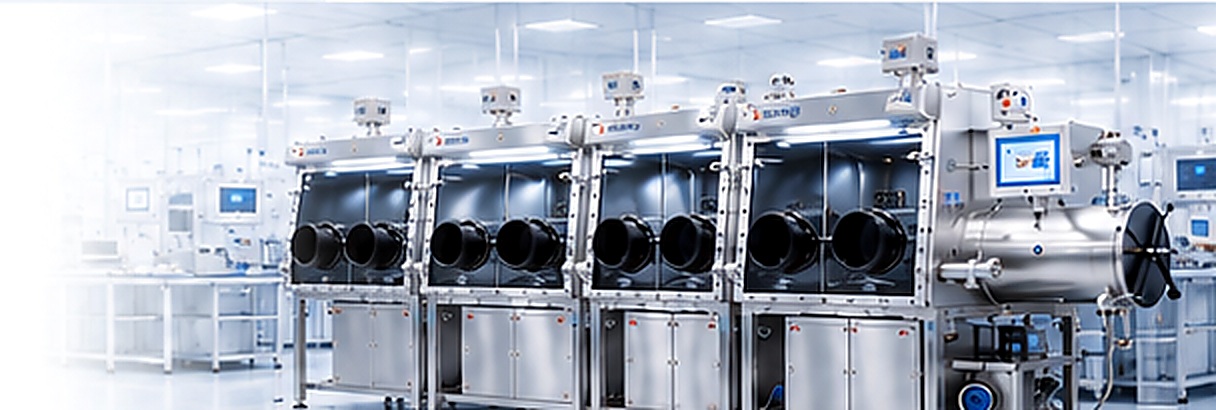
What is a Glove Box Port Cover?
At its core, a glove box port cover is a removable sealing component used to close off unused glove ports on a glove box. Laboratories and production facilities working with oxygen- and moisture-sensitive materials use it to preserve the integrity of the inert atmosphere inside the glove box. When a glove port is not in use, a properly fitted port cover prevents gas leakage and minimizes the ingress of contaminants, thereby maintaining the low H₂O and O₂ levels required for sensitive operations.
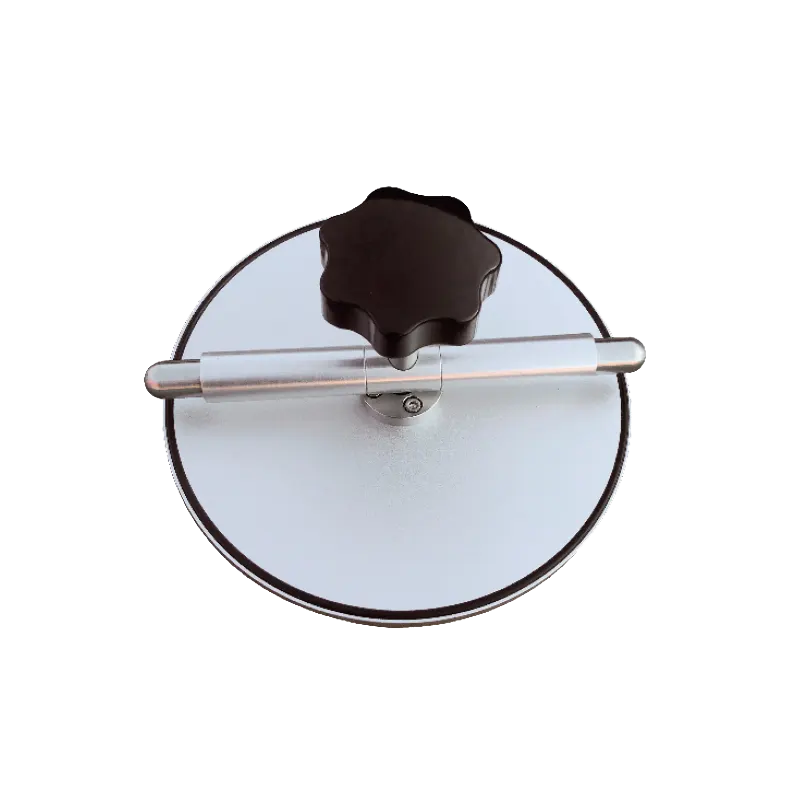
How It Works: Maintaining an Airtight Seal
The glove box port cover works by creating a mechanical barrier over the circular or oval opening of a glove port. The cover typically includes a gasket or O-ring made of elastomeric material (e.g., rubber or silicone) that compresses against the port flange when the cover is secured via a clamping mechanism or threaded ring. This compression forms a gas-tight seal, preventing the exchange of gases between the glove box interior and the ambient environment.
For optimum performance, the port cover must be made of materials compatible with the glove box atmosphere (e.g., stainless steel or aluminum to avoid corrosion) and the sealing gasket must be selected for low outgassing and chemical resistance. When installed, the cover effectively converts a multi-port glove box into a sealed chamber, allowing operators to use only the necessary ports while maintaining the desired water and oxygen levels (often below 1 ppm).
Types of Glove Box Port Covers and Key Components
By Material
- Stainless Steel Covers: Offer durability, corrosion resistance, and low outgassing. Ideal for high-purity applications such as lithium battery research or OLED fabrication.
- Aluminum Covers: Lightweight and cost-effective, suitable for general inert atmosphere operations where weight is a concern.
- Acrylic or Plastic Covers: Typically used in low-cost or transparent glove boxes (e.g., acrylic glove boxes) for visual inspection, but may have higher permeability over time.
By Sealing Mechanism
- O-ring Sealed Covers: Use a replaceable O-ring (e.g., Buna-N, Viton, or silicone) for a tight seal. The O-ring must be regularly inspected and replaced to maintain performance.
- Gasket Covers: Utilize a flat gasket, often made of PTFE or butyl rubber, providing a larger sealing surface but requiring more clamping force.
- Clamp-on vs. Screw-on: Clamp-on covers are faster to install and remove, while screw-on covers provide more consistent compression and are less likely to loosen over time.
Key Performance Indicators and Selection Criteria
When selecting a glove box port cover, users should consider the following factors:
- Leak Rate and Seal Integrity: The cover must achieve a leak rate comparable to the glove box specifications (typically <0.001 vol%/hr). Check the cover's compatibility with the glove port dimensions and the sealing gasket material.
- Material Compatibility: Ensure the cover and gasket are resistant to chemicals used in the glove box (e.g., solvents, corrosion from halogens). For example, viton seals are preferred when working with aggressive solvents.
- Temperature Range: If the glove box is equipped with a heating system or freezer, the cover must withstand the operating temperature without deforming or losing sealing ability.
- Ease of Installation and Removal: Quick-change mechanisms (e.g., quick-release clamps) save time when ports need to be frequently opened and closed.
- Outgassing Properties: Materials must have low outgassing rates to avoid raising contamination levels inside the inert atmosphere.
- Dimensions and Standard Compatibility: Port covers are available in standard sizes (e.g., 203mm, 230mm diameter) to match common glove port flanges. Always verify the port inner diameter and flange design before purchasing.
Applications and Selection Advice
Glove box port covers are essential in any environment where glove boxes are used to control water and oxygen levels. Common applications include:
- Lithium Battery Research: Sealing unused ports prevents moisture/oxygen ingress during electrolyte filling or electrode preparation.
- OLED and Semiconductor Manufacturing: Maintaining ultra-low contamination levels (H₂O/O₂ <0.1 ppm) relies on perfect sealing of all ports.
- Pharmaceutical Handling: When handling highly reactive or cytotoxic compounds, unused ports must be sealed to ensure operator safety and product integrity.
- Routine Maintenance: During glove replacement or system servicing, port covers temporarily seal the box while work is performed.
For users operating single- or dual-port glove boxes with occasional access needs, a basic stainless steel O-ring cover is sufficient. Multi-port systems used 24/7 in critical production may require high-performance covers with integrated purge valves or quick-connect features. Always coordinate with your glove box manufacturer to ensure proper fit and certification.