
A glove box glove port is the sealed, structural interface that mounts a glove to the wall of a glove box. It sits at the boundary between the controlled atmosphere inside the enclosure and the laboratory environment outside. Its purpose is not to create or purify the atmosphere; it is to let an operator reach into the box through a flexible glove while keeping that boundary as closed as the design allows. In a typical installation, the port fixes the glove in a defined position, supports the glove cuff, and provides a mounting surface for seals and retaining parts. The glove becomes the working membrane; the port is its sealed frame.
The distinction matters during specification. A port can look like a simple ring, yet it participates in the enclosure's leak path, ergonomics, glove replacement routine, and compatibility with cleaning or process vapors. The TENCAN Glove Box Glove Port is listed as an accessory for this boundary function. The available reference is a product listing rather than a detailed specification sheet, so the discussion below focuses on engineering function and the information that should be confirmed for a particular box.
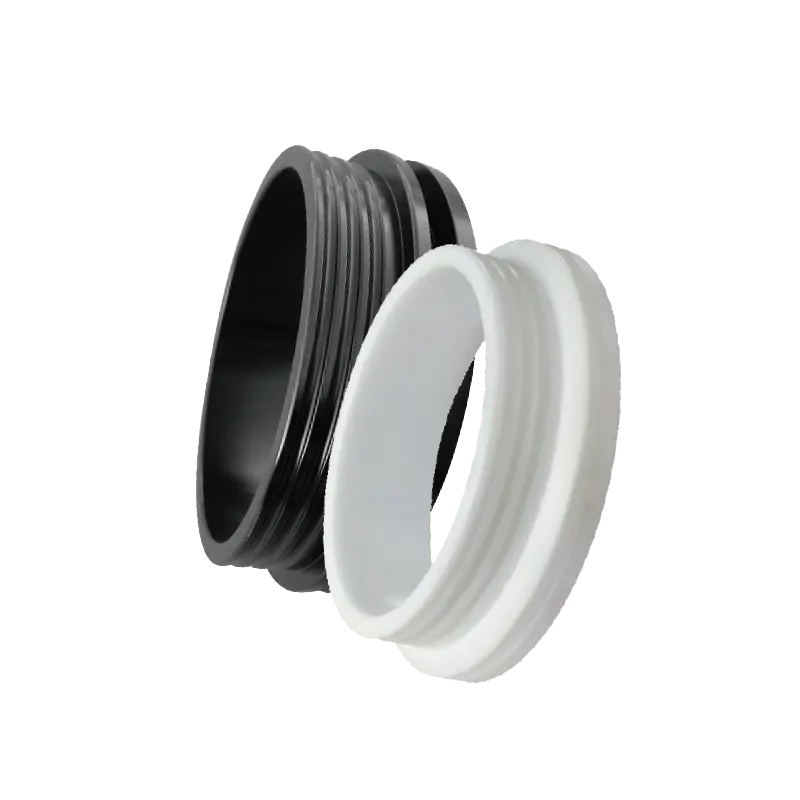
What Does a Glove Box Glove Port Do?
A glove port has several jobs at once. It defines where the glove enters the box, holds the glove cuff so the glove does not pull free during use, supports the sealing element that closes the gap between glove and enclosure, and matches the enclosure wall. It also sets the height, angle, spacing, and reach of the glove relative to the work area. Those ergonomic details affect how precisely an operator can handle samples and tools, especially during long sessions.
- Boundary: separates the controlled atmosphere from the room while allowing manual access.
- Retention: keeps the glove cuff seated against the port so the glove remains in place.
- Sealing: provides the contact surface and compression needed for the glove-to-port seal.
- Interface: connects the port assembly to the enclosure wall or mounting feature.
- Ergonomics: fixes the working position, angle, and reach of the glove.
These functions are related but not identical. A port that holds a glove securely but places it at an awkward angle is still a poor choice. A port with an excellent seal but no practical glove-changing method creates maintenance problems. On a multi-station box, several ports create several working positions; spacing and reach matter as much as the count. On a single-station box, the same interface may be the only manual access point. In every case, the port is part of the enclosure boundary, not a gas-purification device or a transfer chamber.
How Does a Glove Box Glove Port Work?
From a functional standpoint, the port is a short passage through the enclosure wall. On the enclosure side, a flange, collar, or ring seats against the wall or through a cutout; the exact fixing method depends on design. The opening defines the glove passage. On the glove side, a retaining feature holds the cuff. A seal closes the interface between glove and port. When installed, these parts form a continuous flexible barrier: the glove is the working membrane and the port is its sealed frame.
The exact construction of the TENCAN accessory should be confirmed from its product documentation. Generic descriptions such as flange, gasket, O-ring, collar, or retaining ring describe possible design elements, not guaranteed features of every port. The same caution applies to materials and dimensions: they should come from the actual product data, not from an assumption based on appearance.
The boundary has two failure modes. A leak at the port-to-wall or port-to-glove interface can result from misalignment, a damaged gasket, incomplete seating, or uneven clamping. Permeation through the glove material is different: it depends on glove material, thickness, temperature, and the chemicals present. A mechanically tight port does not make a highly permeable glove suitable for a solvent-heavy process, and a high-quality glove does not compensate for a damaged port seal.
Installation quality is as important as the part. Mating surfaces should be clean and undamaged; the glove should be seated according to the manufacturer's method; fasteners or clamps should be tightened evenly; and the assembly should be checked for leaks before sensitive work. The correct test method and acceptance criteria belong to the enclosure and port documentation. They should not be inferred from a catalogue title.
Pressure also matters. In a box operated near ambient pressure, the port mainly retains the glove and seal. In a vacuum-capable enclosure, the port and glove may see a differential pressure. Not every glove or port is intended for that duty, and a port should not be assumed vacuum-rated because the box has a vacuum valve or antechamber. Confirm the rating and approved glove.
Leak Integrity Is Not Atmosphere Quality
A leak-tight port does not by itself produce low oxygen or low moisture. It only avoids an unnecessary exchange path. The atmosphere is the result of enclosure volume, gas replacement, purification capacity, circulation, monitoring, and operator practice. If a purifier is saturated or a transfer procedure lets air in, a perfect port seal cannot restore atmosphere quality. Conversely, a port leak can make a capable purification system appear unstable. Atmosphere instruments measure the result; they do not purify the gas. HEPA filtration captures particles, but it does not remove water, oxygen, or solvent vapor.
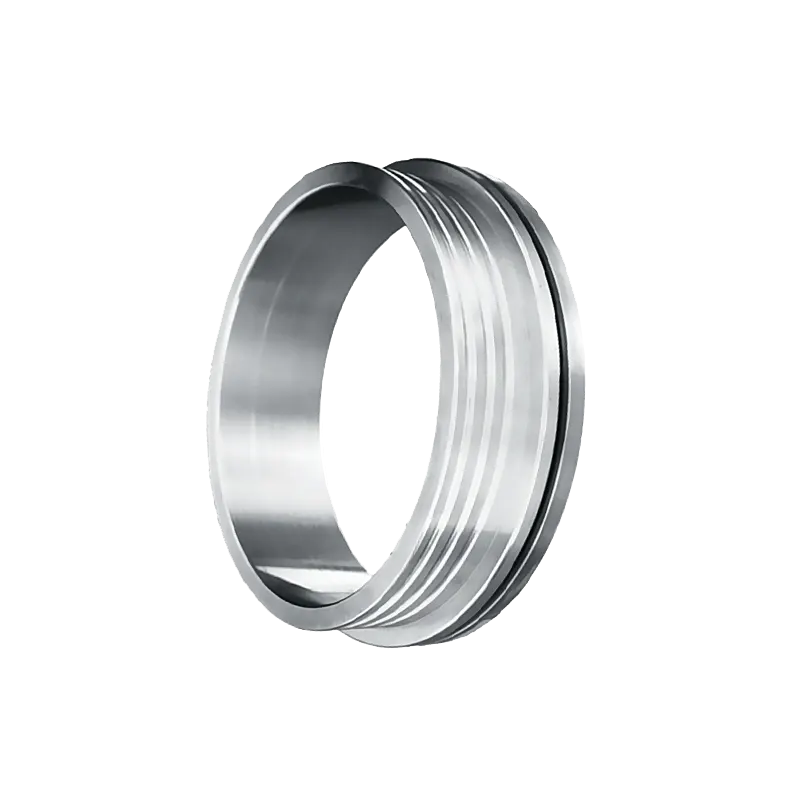
Which Types or Configurations Matter?
Current reference information does not establish a detailed model list for the TENCAN glove port, so the practical approach is to compare configurations by function.
Enclosure-Side Configuration
Wall construction, cutout dimensions, fixing centers, flange footprint, and mounting direction should match the enclosure. A port that fits one wall is not necessarily suitable for a different wall thickness, liner, or opening. Confirm the interface from the actual enclosure drawing rather than from a similar-looking photograph.
Glove-Side Configuration
Cuff size, retention method, glove length, material, and thickness determine fit and reach. A port is not automatically compatible with every glove, and a glove that fits the cuff may still be unsuitable for the process chemistry. The working position also affects dexterity and fatigue.
Sealing and Service Conditions
Seal type and material must suit process vapors, cleaning agents, temperature, and required leak integrity. If the box may be evacuated, confirm pressure capability. If static control or a specific cleanliness level is required, confirm it rather than infer it from appearance.
Layout and Ergonomics
Port number, spacing, height, and angle determine reach, collaboration, and fatigue. A multi-port layout is not just a higher count; it changes how work is organized. A port intended for a continuously purified glove box remains only an interface and does not inherit the purifier's capacity. Likewise, a port on a vacuum glove box must be assessed against that enclosure's design, not a generic accessory description.
Which Specifications Should You Check?
- Enclosure interface: confirm wall thickness at the cutout, opening dimensions, fixing pattern, flange footprint, and whether the port mounts from inside or outside. Measure the actual enclosure rather than relying on a nominal size.
- Glove interface: check cuff size, retention method, glove material, length, and thickness. Reach and dexterity should be balanced against permeation resistance and the task.
- Seal compatibility: verify the gasket or seal material against process vapors, cleaning agents, and temperature. Confirm that replacement seals are available.
- Pressure and vacuum: distinguish working pressure and differential pressure from pump ultimate vacuum. A port rating is not the same as a box rating, an antechamber vacuum level, or a leak rate.
- Leak testing: ask for the applicable test method and acceptance criteria. Do not compare a leak rate with an oxygen or moisture concentration; they describe different measurements.
- Cleanliness and particles: confirm whether surfaces must meet a particular cleaning requirement. HEPA filtration addresses particles, not sterility, moisture, oxygen, or solvent vapor.
- Ergonomics: assess height, spacing, angle, expected task duration, and operator reach before finalizing the layout.
Two numbers deserve special caution. A glove box may be described by oxygen and moisture levels; a port by dimensions; a pump by ultimate vacuum; an antechamber by vacuum. These are not interchangeable specifications. If the available listing does not state a value, request it from the supplier and record the applicable condition and unit. Do not compare an enclosure's working pressure with a pump's ultimate vacuum, and do not treat analyzer resolution as measurement accuracy.
Where Is a Glove Port Suitable, and What Are Its Limits?
Any controlled-atmosphere box that requires manual manipulation uses some glove interface. Such boxes support lithium and solid-state battery material work, perovskite, OLED and semiconductor research, air-sensitive chemistry, advanced materials, additive manufacturing post-processing, and general laboratory research. The port's role in those settings is consistent: it allows hands to work inside while limiting exchange with the outside. Suitability is not established by the application name alone, however. The glove, seal, enclosure, and purification system must suit the actual materials and process.
A glove port does not purify, does not make a box vacuum-capable, and does not turn an enclosure into a sterile, cleanroom-classified, or biocontainment barrier. It is not a transfer chamber for large objects, and it cannot guarantee that every gas is inert to every sample. A damaged glove or poor technique can overwhelm even a good port. Where solvent vapors are present, solvent adsorption may protect the purifier, but it does not replace water and oxygen removal. Where particles are the concern, HEPA filtration addresses particles, not moisture, oxygen, or vapor.
How Should You Select or Integrate It?
- Start with the enclosure. Record the wall construction, cutout, fixing pattern, available space, and required working position. Do not order a port from appearance alone.
- Match the glove to the task and the port. Confirm cuff fit, glove material, thickness, length, and retention method. Check whether the glove is approved for the intended pressure condition.
- Review the chemistry and seals. Consider process vapors, cleaning agents, and temperature. A port that is mechanically suitable can still fail if its seal material is incompatible.
- Confirm pressure, vacuum, and leak-test requirements. Keep the port rating, enclosure working pressure, antechamber vacuum, pump ultimate vacuum, and leak rate separate. Ask for the applicable test procedure.
- Plan installation, spare parts, and training. Establish how gloves will be changed, how the seal will be inspected, and which records will show that the assembly was installed correctly.
For context, TENCAN's three-station single-sided split-type glove box with gas purification system shows how a complete system combines an enclosure, multiple working positions, and gas purification. Its presence in the same product ecosystem does not prove that a particular glove port is a drop-in fit. Compatibility should be checked against the actual enclosure, glove, and sealing arrangement.
Selection should end with documented confirmation: the exact port configuration, glove specification, seal material, mounting method, and leak-test procedure. That is more reliable than matching a product name to a photograph.
Short Questions About Glove Box Glove Ports
Does a glove box glove port purify the atmosphere?
No. It maintains a sealed passage for the glove. Water and oxygen removal come from gas replacement, circulation through a purification system, and suitable operating procedures.
Can a glove port lower oxygen or moisture?
No. It can prevent an avoidable leak path, but it is passive. If oxygen or moisture levels are unsatisfactory, investigate the gas supply, purifier, transfer procedure, gloves, seals, and enclosure together.
Is a glove port compatible with every glove box?
No. Wall cutout, fixing pattern, flange, glove cuff, seal, and pressure conditions vary. Confirm compatibility against the actual enclosure rather than against a product family name.
Does a glove port include gloves?
Not necessarily. The product listing should state the scope of supply. Gloves are selected separately for size, material, permeation behavior, and task requirements.
When should a glove port be inspected?
Inspect it during routine glove checks and after any suspected leak, damage, or difficult glove change. Follow the manufacturer's installation and maintenance instructions rather than improvising a repair.