
What is a Glove Box Glove Port? A critical interface component for providing operator access in inert atmosphere glove boxes
At its core, a glove box glove port is a specialized sealed interface mounted on the front panel of an inert atmosphere glove box. Laboratories and production facilities working with air‐sensitive materials use it to allow operators to reach into the glove box while maintaining an ultra‑low moisture and oxygen environment. The glove port is the physical link between the operator’s hands and the controlled atmosphere inside the box, and its design directly affects the overall leak tightness and usability of the glove box system.
Core Function and Working Principle
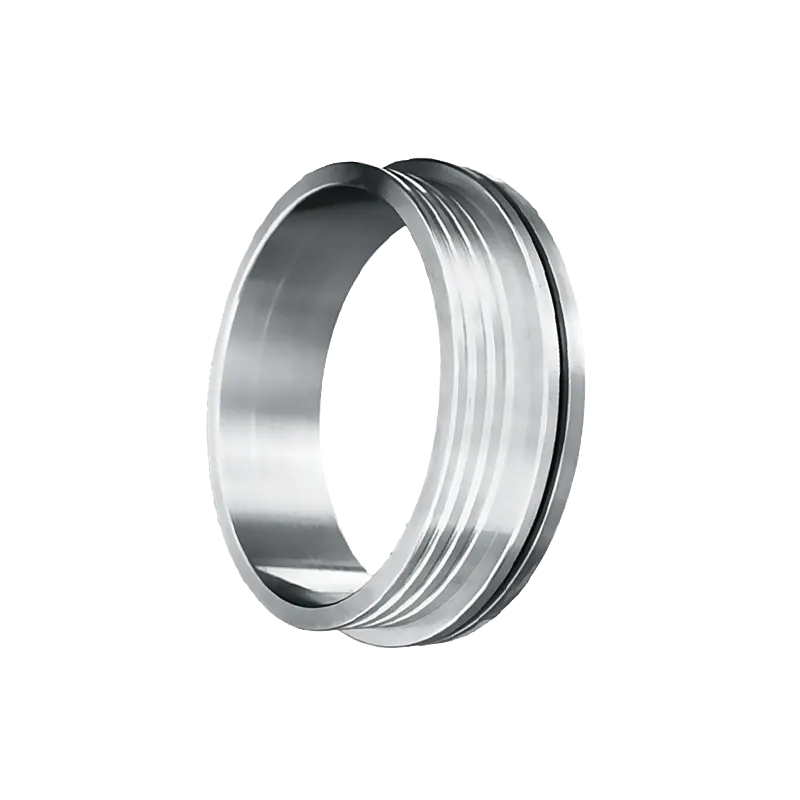
The primary function of a glove box glove port is to provide a barrier that permits manual manipulation of samples and equipment inside the glove box without compromising the inert atmosphere. The glove port is typically a circular flange welded or bolted to the glove box wall. A glove—made of butyl rubber, neoprene, or other chemically resistant materials—is attached to the port via a clamping ring or O‑ring seal. The operator’s hands are inserted into the gloves, allowing them to perform tasks inside the box while the glove material flexes and seals around the wrists.
The working principle relies on mechanical sealing. The glove port itself is precision‑machined from stainless steel (often SUS304) to ensure a smooth, leak‑free surface. The glove is secured to the port by a clamping mechanism that compresses the glove material against the port flange, forming a gas‑tight seal. A sealing ring (O‑ring or gasket) is often used between the port and the glove box wall to prevent any leakage at the mounting interface. When not in use, a port cover is installed to seal the opening and maintain the inert atmosphere.
Key parameters that affect the sealing performance include the port’s surface finish, the clamping force, the material and durometer of the sealing ring, and the glove material’s permeability. The overall leakage rate of a properly installed glove port is typically less than 10⁻⁵ mbar·L/s, contributing to the glove box’s ability to maintain water and oxygen levels below 1 ppm.
Core Components and Key Technologies
Although the glove box glove port is a relatively simple component, its design incorporates several critical elements that ensure reliable performance:
- Port Body – Usually made of stainless steel (SUS304) or aluminum alloy, the port body provides the structural interface. It is precision‑machined to ensure a flat sealing surface and often includes a groove for an O‑ring.
- Sealing Ring – A replaceable O‑ring or gasket that sits between the port flange and the glove box wall. The glove port sealing ring is essential for achieving a vacuum‑tight or pressure‑tight seal.
- Glove Clamping System – An inner clamping ring, outer clamping ring, or quick‑release band that compresses the glove cuff against the port. Some designs use a threaded locking ring, while others use a lever‑action clamp for easy glove replacement.
- Port Cover – A removable cap that seals the port when the glove is not installed. The port cover protects the interior from contamination and preserves the inert atmosphere.
Advanced glove ports may also include integrated pressure‑equalization valves or feedthroughs for electrical cables, but the basic design remains focused on sealing and ergonomics.
Key Performance Indicators and Selection Criteria
When selecting a glove box glove port, several performance indicators should be considered:
- Material and Corrosion Resistance – Stainless steel (SUS304 or 316L) is preferred for its durability, low outgassing, and resistance to chemicals. Aluminum ports are lighter but may be less suitable for harsh environments.
- Leak Rate – The port assembly should have a helium leak rate of less than 10⁻⁵ mbar·L/s to ensure the glove box maintains low moisture and oxygen levels.
- Size and Compatibility – Port diameters typically range from 100 mm to 230 mm. The port must match the glove box wall thickness and the glove cuff size. Most glove boxes use standard port diameters (e.g., 150 mm, 200 mm).
- Sealing Mechanism – Choose between O‑ring seals, flat gaskets, or metal seals depending on the required vacuum level and temperature range. A replaceable sealing ring is recommended for long‑term maintenance.
- Ease of Glove Replacement – Quick‑clamp systems reduce downtime and operator fatigue. Some ports allow tool‑free glove changes.
- Pressure Rating – The port must withstand the glove box’s operating pressure range (typically ±15 mbar) and occasional vacuum cycles.
For most research and production applications, a standard stainless steel glove port with an O‑ring seal and a clamping ring offers the best balance of cost, reliability, and performance.
Application Areas and Selection Suggestions
Glove box glove ports are used in any process that requires a controlled inert atmosphere, including:
- Lithium‑ion battery research and production (electrode assembly, electrolyte filling)
- Perovskite solar cell fabrication
- OLED and organic semiconductor development
- Metal‑organic framework (MOF) synthesis
- Pharmaceutical handling of air‑sensitive compounds
- Nanomaterials and powder metallurgy
When choosing a glove port, consider the specific glove material needed (e.g., butyl rubber for low‑permeability, neoprene for general use). For high‑sensitivity applications, opt for ports with a replaceable sealing ring and a port cover to maintain the atmosphere during idle periods. Always ensure the port is compatible with your glove box model and the required glove size.