What a glove box glove port is and where it sits in the system
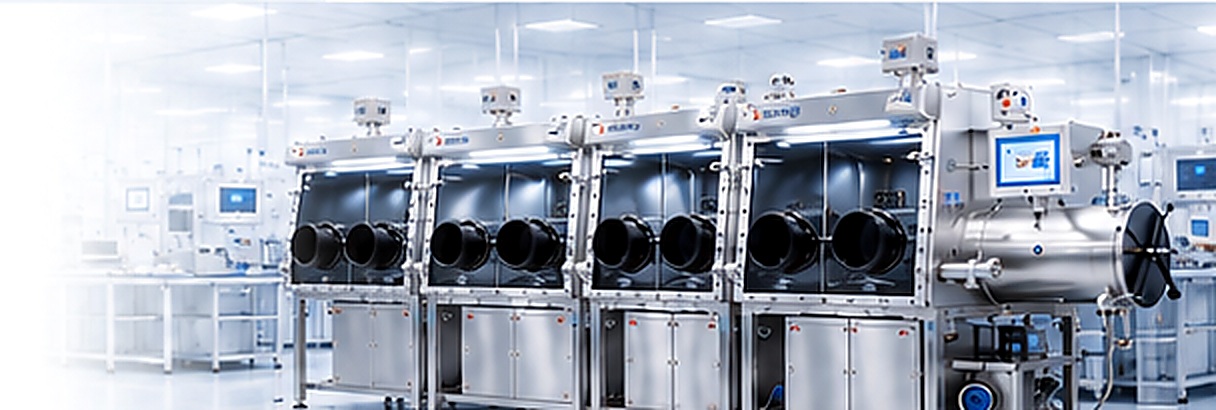
A glove box glove port is the sealed interface mounted through the wall of a glove box that holds a flexible glove in place. It lets an operator reach into the enclosure and manipulate samples, tools, or equipment without opening the box and exposing the controlled atmosphere to the surrounding air. In a typical inert-atmosphere workstation, the glove ports sit on the front viewing panel or access side, usually in pairs, so both hands can work inside. They are not gas purification devices and they do not themselves remove moisture or oxygen. Their job is mechanical and containment-related: maintain a barrier, support the glove, and allow movement.
That distinction matters when specifying or replacing parts. A glove port is an accessory, but it is central to day-to-day usability. If the port leaks, the atmosphere suffers. If the glove material is wrong for the application, it may degrade quickly or contaminate the work. If the mounting interface does not match the enclosure, the port cannot be installed correctly. The Glove Box Glove Port from TENCAN Glove Box Systems is one example of this accessory category. This article explains what it does, which parts and configurations matter, what to verify before purchase, and where its limits lie.
How a glove port works: structure, sealing and movement
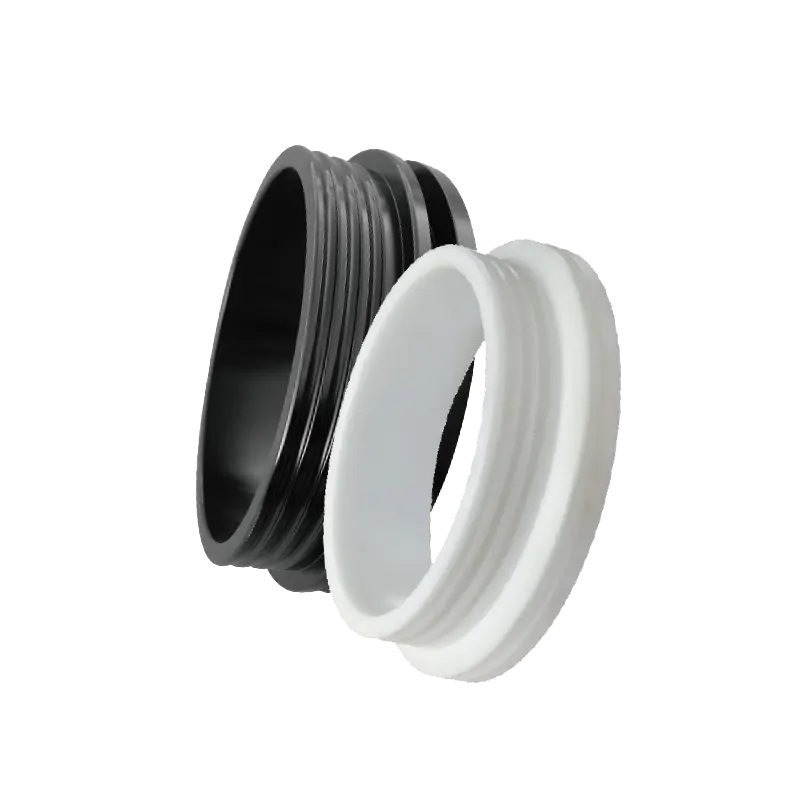
The working principle is simple but demanding. The port forms a rigid ring or flange that passes through the enclosure wall. The glove is attached to the inner side of that ring, often by rolling the glove cuff over a groove, by a clamping ring, or by another retention method. A gasket or O-ring seals the joint between the port and the wall, and the glove itself seals the opening where the operator's hands enter. The result is a flexible, airtight barrier that moves with the operator.
Sealing is the primary function. Any leak at the port-to-wall joint or at the glove-to-port joint allows ambient air to enter, which raises oxygen and moisture levels inside the box. That is why glove ports are usually tested as part of the enclosure's leak check. The port does not filter the internal atmosphere; it simply keeps the inside separated from the outside. If the box is under positive pressure, the glove may inflate slightly and push outward; if the box is under vacuum or negative pressure, the glove may collapse inward. Operators need to account for that behavior, especially when the enclosure is a vacuum-type or acrylic model with different structural limits.
Movement is the second function. The glove must be flexible enough to allow fine manipulation, yet strong enough to resist tearing and chemical attack. The port must hold the glove securely so it does not detach during use. It also needs to be smooth or appropriately finished where the glove contacts it, to avoid abrasion. These are general design requirements; the exact construction of any specific port should be confirmed from its product data.
Key components and configuration choices
Because the reference material for this article names a single accessory—the Glove Box Glove Port—this section focuses on the functional parts you will find in a glove port and the configuration questions that determine whether it suits an enclosure. It does not invent a family of models or claim features that are not documented.
Port ring and mounting interface
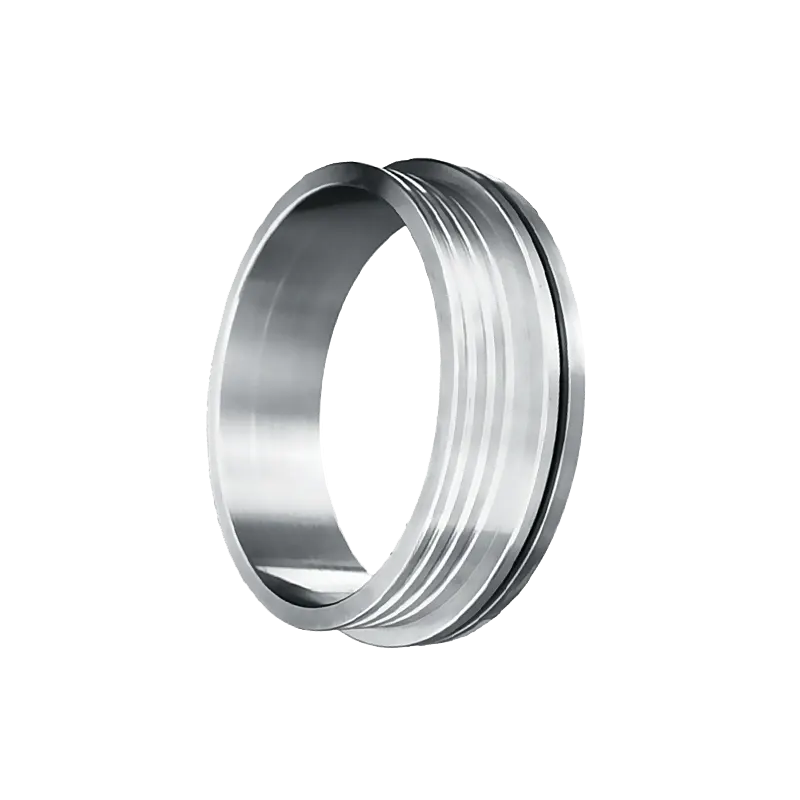
The port ring is the structural body that mounts to the glove box wall. It may be circular, oval, or another shape depending on the enclosure design. The critical selection factors are the mounting hole size, the wall thickness range it can accommodate, and the method of attachment—bolted, clamped, threaded, or integrated into the panel. A port designed for a thin acrylic wall may not be suitable for a thick stainless-steel wall, and vice versa. The enclosure material also matters: acrylic, stainless steel, and other materials have different sealing and fastening requirements.
Glove retention and sealing
The glove retention system holds the glove cuff against the port. Common approaches include a groove into which the glove is rolled, a separate clamping ring, or a quick-change mechanism. Each has trade-offs. A simple rolled glove is economical but may be slower to change. A clamping ring can provide a more positive seal but adds parts that must be compatible with the atmosphere and cleaning agents. The seal between the port and the wall is equally important. Gaskets and O-rings must be made from materials that resist the solvents and chemicals used inside the box. If the seal material swells or cracks, the leak rate increases.
Glove material, size and compatibility
The glove port does not determine the glove material; the application does. But the port must accept the chosen glove size and cuff design. Gloves are available in different materials—such as nitrile, butyl, neoprene, and others—and each has different resistance to chemicals, water vapor, and oxygen. A glove that is excellent for one solvent may be poor for another. The port's retention method must work with the glove's cuff thickness and elasticity. Operators should also consider glove length, thickness, and dexterity, because a glove that is too thick may limit fine work, while a glove that is too thin may puncture easily.
Wall thickness and enclosure type
Glove ports are not universal. A port intended for a small acrylic glove box may have a different mounting geometry from one intended for a stainless-steel vacuum glove box. The enclosure's wall thickness, curvature, and internal pressure regime all affect the choice. For example, the GBT Series Acrylic Glove Box is an acrylic enclosure. If a user wants to add or replace a glove port on that kind of box, the port must match the acrylic panel thickness and the sealing method suitable for acrylic. This article does not claim that any particular port is compatible with any particular enclosure; compatibility must be verified from the enclosure and port specifications.
Specifications to verify before selecting a glove port
When comparing glove ports, the useful specifications are the ones that connect the accessory to the enclosure, the glove, and the process. The following list is a practical checklist rather than a set of universal values. Exact numbers must come from the current product data for the specific port and enclosure.
- Mounting dimensions: hole diameter, bolt circle or clamp size, and the wall thickness range the port can seal against.
- Port diameter and spacing: the opening size and the distance between ports, which affect hand movement and ergonomics.
- Seal material and type: gasket or O-ring material, and its compatibility with solvents, acids, and cleaning agents used in the box.
- Glove retention method: rolled groove, clamp ring, or another system; how easy it is to change gloves without damaging the seal.
- Glove compatibility: accepted cuff thickness, glove size range, and material options.
- Pressure and vacuum limits: what the port and its seals are rated for, if such ratings are provided; do not assume a port can handle full vacuum just because the enclosure can.
- Leak-tightness expectations: how the port is tested and what leak rate is acceptable for the application.
- Material of construction: the port body material and surface finish, especially for corrosion resistance and cleanability.
Two common errors are worth avoiding. First, do not confuse the port's vacuum rating with the glove box's vacuum capability. The port may see pressure differentials during pump-down or gas exchange, but its limits are separate. Second, do not treat a glove port as a purification component. It does not lower water or oxygen levels; it only maintains the barrier that allows a purified atmosphere to be useful.
Where a glove port is suitable, and what it cannot do
A glove port is suitable wherever manual manipulation inside a controlled atmosphere is required. That includes lithium-ion and solid-state battery research, perovskite and OLED fabrication, semiconductor processing, air-sensitive chemistry, advanced materials handling, additive manufacturing post-processing, and general laboratory work with moisture- or oxygen-sensitive samples. In these settings, the port provides the human interface: it lets a researcher weigh, mix, assemble, or inspect materials without opening the enclosure.
Its limits are just as important. A glove port does not create an inert atmosphere. It does not remove oxygen or moisture, and it does not replace a gas purification system, vacuum cycle, or gas replacement procedure. It does not provide sterile, cleanroom, biosafety, or hazardous-duty containment unless the complete enclosure and system are designed and certified for those purposes. It does not make every gas inert for every sample. It also cannot compensate for an incompatible glove material or a worn seal. If the glove is permeable to the solvent being used, or if the seal swells, the atmosphere will degrade regardless of how well the port is mounted.
Another limit is mechanical. Gloves and ports are wear items. Repeated flexing, chemical exposure, and cleaning eventually degrade the glove and sometimes the seal. A port that is difficult to service can become a bottleneck. For that reason, ease of glove replacement and seal inspection should be part of the selection criteria, not an afterthought.
How to select and integrate a glove port
Selection should start with the enclosure, not the port. Identify the glove box model, wall material, wall thickness at the mounting location, and the internal pressure regime. Then define the glove requirement: size, material, length, and chemical resistance. With those two sets of information, you can evaluate whether a candidate port's mounting interface and retention system are compatible.
Next, check the seal. The gasket or O-ring must be compatible with the atmosphere inside the box and with any solvents or reagents that might contact it. If the box is purged with nitrogen or argon, the seal should not degrade in that gas. If the box is used with chlorinated solvents, the seal material must be resistant. When in doubt, request the seal material specification and confirm compatibility with the process.
Integration also involves ergonomics and workflow. Port spacing, height, and angle affect how comfortably an operator can work. If the box is used for long sessions, poor port placement can cause fatigue and reduce productivity. Consider whether the ports need to be at a particular height for microscopes, balances, or tools inside the box. Also plan for maintenance: how will gloves be changed, and how will the seal be inspected? A port that is easy to service will be more reliable over time.
Finally, verify leak-tightness after installation. A glove port is part of the enclosure's containment boundary. Even a small leak can raise oxygen and moisture levels, especially in a recirculating purification system. Follow the enclosure manufacturer's leak-test procedure and use the appropriate instruments. If the port is installed on an acrylic box, take care not to over-torque fasteners or use incompatible solvents that could craze the acrylic. If the port is installed on a stainless-steel vacuum box, confirm that the port and seals are rated for the pressure and vacuum conditions involved.
For users working with a GBT Series Acrylic Glove Box or another specific enclosure, the safest approach is to confirm dimensions and materials directly rather than assuming interchangeability. The Glove Box Glove Port product page provides the details that should be checked against the enclosure's requirements.
FAQ: quick answers on glove box glove ports
Does a glove port purify the atmosphere?
No. A glove port is a sealed mechanical interface for gloves. It helps maintain the atmosphere by keeping the inside separated from the outside, but it does not remove oxygen, moisture, or solvent vapor. Purification is handled by the glove box's gas purification system, vacuum and gas replacement cycles, or other dedicated equipment.
Can I replace a glove without breaking the atmosphere?
Replacing a glove usually requires access to the port, and the procedure depends on the port design and the enclosure. Some designs allow glove changes with minimal atmosphere disturbance, but the box may still need purging or cycling afterward. Follow the manufacturer's procedure; do not assume that any glove change is atmosphere-neutral.
How do I know if a glove port fits my glove box?
Check the mounting hole size, wall thickness range, attachment method, and seal type against the enclosure specifications. Also confirm that the port accepts the glove size and cuff design you need. If you cannot verify these details, ask the supplier for the relevant drawings and data.
When should I replace a glove port or glove?
Replace gloves when they show cracks, discoloration, stiffness, punctures, or signs of chemical attack. Inspect the port and seals for hardening, swelling, cuts, or leaks. If the port no longer seals reliably, or if it cannot hold the glove securely, it should be repaired or replaced. Leak testing is the best way to confirm whether the port is still doing its job.
Can I use any glove with any port?
No. The glove must match the port's retention system and the application's chemical and mechanical requirements. A glove that is too thick may not fit the groove or clamp, and a glove material that is incompatible with the process can fail quickly. Always verify glove-port compatibility.
Selection checklist for a glove box glove port
Before ordering, confirm the enclosure model and wall material, the mounting dimensions and wall thickness, the glove size and material, the seal material and chemical compatibility, the pressure or vacuum conditions the port may see, the leak-test method, and the ease of glove replacement. Also confirm that the port is intended for manual manipulation and not for gas purification or atmosphere control. When the port is correctly matched to the enclosure and the application, it becomes a reliable, low-maintenance part of the containment boundary. When it is mismatched, it becomes a persistent source of leaks and downtime.
For more details on the accessory itself, see the product page linked above. For an example of an acrylic enclosure that uses glove ports for manual handling, see the GBT Series Acrylic Glove Box product page linked earlier.