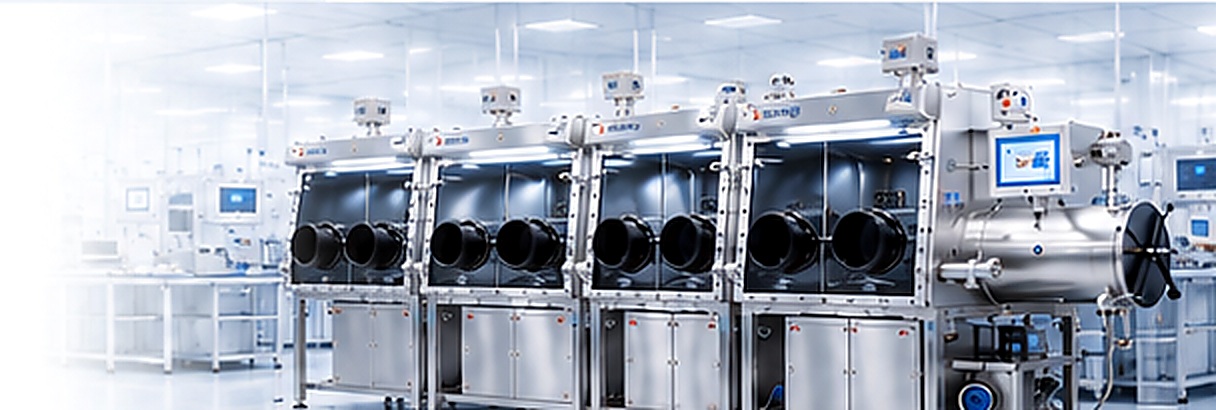
Why Your Glove Box Needs a HEPA Filter Cartridge
When you work inside a glove box, you probably focus on controlling moisture and oxygen. But have you considered the particles floating around? Even in an inert atmosphere, dust, debris from samples, and wear particles from gloves or equipment can contaminate your experiments. A HEPA filter cartridge is the key component that keeps the internal environment clean by removing airborne particles down to sub-micron sizes.
Without proper filtration, particulate contamination can ruin sensitive processes like lithium battery assembly, perovskite solar cell fabrication, or OLED material handling. A single dust particle can cause shorts, defects, or non-uniform films. That is why a well-designed glove box includes both inlet and outlet HEPA filters to maintain a Class 100 or better clean environment inside the chamber.
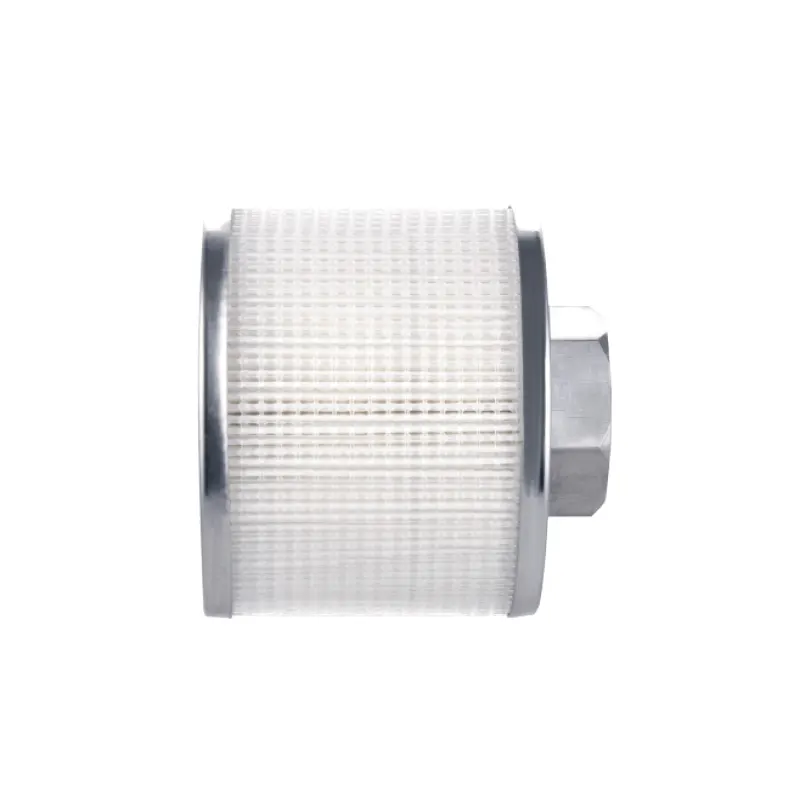
How HEPA Filters Work in a Glove Box System
HEPA stands for High Efficiency Particulate Air. A HEPA filter cartridge typically consists of a dense mat of randomly arranged fibers, made from glass or synthetic materials. As air passes through, particles are captured by diffusion, interception, and impaction. For a filter to be classified as HEPA, it must remove at least 99.95% of particles with a diameter of 0.3 micrometers (the most penetrating particle size).
In a glove box, the purification system circulates the inert gas through the main chamber. The HEPA filter cartridge is usually installed at the gas inlet or outlet of the circulation loop. Some systems also have an additional filter on the vacuum pump exhaust to prevent oil mist from re-entering the box. The filter ensures that any particles generated inside the chamber are continuously removed, keeping the work area clean.
Common HEPA Filter Grades for Glove Boxes
Most glove box applications use H13 or H14 grade filters according to EN 1822 standard. H13 filters achieve at least 99.95% efficiency, while H14 filters achieve 99.995%. For most research labs, H13 is sufficient. However, if you work with nanomaterials or semiconductor substrates, upgrading to H14 can provide an extra margin of cleanliness.
When Should You Replace the HEPA Filter Cartridge?
The lifespan of a HEPA filter cartridge depends on the amount of particles generated in the glove box. In a typical clean laboratory environment, a filter can last one to two years. However, if you frequently open the chamber to introduce dirty samples or perform processes that generate dust (like grinding or powder handling), the filter may clog faster.
Some signs that it is time to replace the filter include:
- Increased pressure drop across the filter (monitored by a differential pressure gauge)
- Visible dust accumulation on the pre-filter or the HEPA filter surface
- Decreased gas circulation flow rate, which may affect moisture and oxygen removal efficiency
- Unexpected contamination in your samples, as particles may bypass a compromised filter
Regular inspection every six months is a good practice. Many glove box systems include a pressure sensor that alerts you when the filter needs replacement.
How to Choose the Right HEPA Filter Cartridge for Your Glove Box
Selecting the correct HEPA filter cartridge involves several factors:
1. Filter Efficiency Class
Decide between H13 and H14. If your glove box is used for general material handling (e.g., battery electrolyte filling, moisture-sensitive synthesis), H13 is adequate. For critical applications like quantum dot synthesis or high-purity thin film deposition, consider H14.
2. Dimensions and Mounting
HEPA filter cartridges come in various sizes and shapes. You need to match the dimensions of the filter housing in your glove box. Common formats include square or rectangular panels, often with a metal frame. Always check the length, width, and thickness before ordering. If you are unsure, measure the existing filter or consult the glove box manufacturer.
3. Compatibility with Gas Type
Most HEPA filters are compatible with inert gases like argon (Ar), nitrogen (N₂), and helium (He). However, if you plan to use corrosive gases or solvents, verify that the filter media and sealing materials are chemically resistant. Standard HEPA filters use glass fiber media and polyurethane or rubber gaskets, which are generally suitable for inert atmospheres.
4. Pre-Filter Consideration
To extend the life of the main HEPA filter, many glove boxes include a pre-filter that captures larger particles. Replacing the pre-filter regularly can significantly reduce the load on the HEPA cartridge, saving cost and maintenance time.
Installation and Maintenance Tips
Replacing a HEPA filter cartridge is usually straightforward. Most glove box systems allow you to access the filter housing from the back or side of the cabinet. Here are some practical tips:
- Always wear clean gloves to avoid contaminating the new filter.
- Check the seal gasket on the filter housing. A damaged gasket can allow unfiltered air to bypass the filter.
- After installation, run the circulation system for a few minutes and monitor the pressure reading to ensure the filter is properly seated.
- Dispose of the old filter according to local regulations, especially if it has been exposed to hazardous materials.
Common Questions About HEPA Filter Cartridges in Glove Boxes
Does a HEPA filter affect moisture or oxygen levels?
No. HEPA filters only remove solid particles. They do not adsorb water vapor or oxygen. To control moisture and oxygen, you need a gas purification system with molecular sieves and copper catalyst. However, a clean filter ensures that the purification system can operate efficiently without being clogged by dust.
Can I wash and reuse a HEPA filter?
Most HEPA filters are not washable. Washing can damage the delicate fiber mat and reduce efficiency. Always replace with a new cartridge. Some filters have a metal frame that can be recycled, but the filter media itself must be disposed of.
How many HEPA filters does a typical glove box need?
Many glove boxes have two filters: one on the gas inlet and one on the outlet. Some systems also include a filter on the vacuum pump line. Check your glove box specifications. The HEPA filter cartridge is a standard accessory, and you can order spare units to keep in stock.
Final Thoughts on HEPA Filter Cartridge Selection
Maintaining a clean atmosphere inside your glove box is not only about moisture and oxygen levels. Particulate contamination can be equally damaging to sensitive experiments. A high-quality HEPA filter cartridge is an investment in the reliability and reproducibility of your work. By understanding the filter grade, dimensions, and replacement schedule, you can keep your glove box running at its best.
If you need assistance selecting the right filter for your specific glove box model, TENCAN offers a range of compatible HEPA filter cartridges as well as other accessories like port covers and sealing rings. Our team can help you match the correct part to ensure optimal performance.