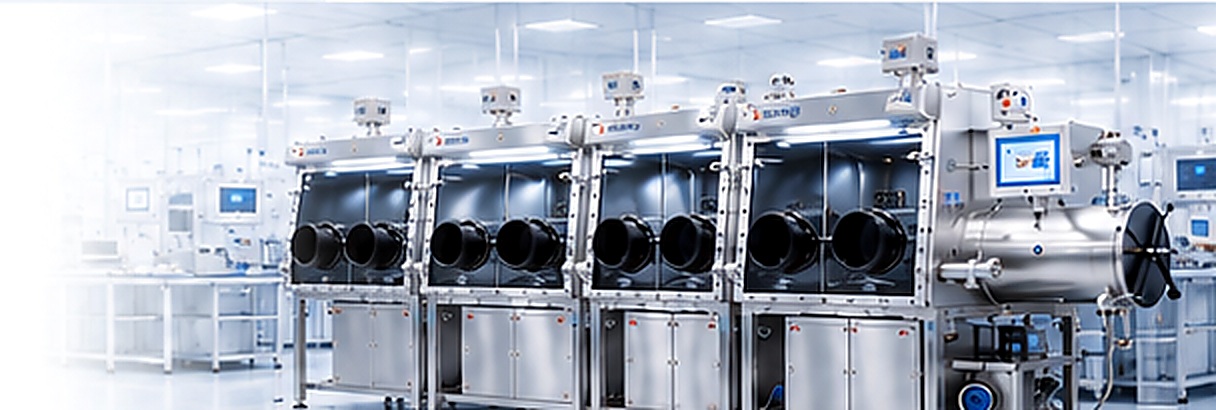
Reliable Oxygen Monitoring Is the Backbone of Glove Box Performance
Maintaining a truly inert atmosphere inside a glove box is a constant challenge. Even after you have sealed the chamber, purged with high-purity argon or nitrogen, and activated the gas purification system, the oxygen level must be measured continuously to confirm that the environment stays within your required specification. Without a dependable oxygen analyzer, you are essentially operating blind: trace leaks, incomplete purging, or saturation of the purification column can go undetected, leading to oxidation or degradation of sensitive materials and wasted experiments.
Among the various oxygen sensor technologies used in glove boxes, the zirconia oxygen analyzer stands out for its robustness, wide measurement range, and long-term stability. In this guide, we will walk through how a zirconia-based analyzer works, why it is a preferred choice for glove box applications, and what factors you should consider when integrating one into your system.
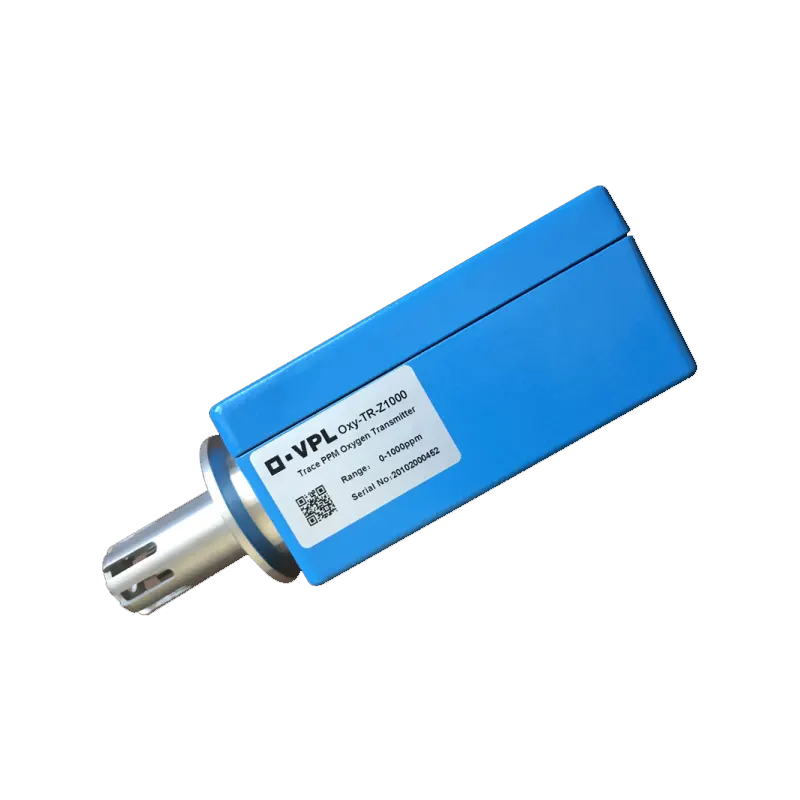
How a Zirconia Oxygen Sensor Works
A zirconia oxygen analyzer relies on a solid electrolyte made of yttria-stabilized zirconia (YSZ). At elevated temperatures (typically 650–750 °C), the YSZ material becomes conductive to oxygen ions. When two different oxygen partial pressures exist on opposite sides of the zirconia disc, an electromotive force (EMF) is generated, following the Nernst equation:
E = (RT / 4F) × ln(P1 / P2)
Where:
E= measured voltageR= universal gas constantT= absolute temperature of the sensorF= Faraday constantP1= oxygen partial pressure of the reference gas (usually ambient air or a known standard)P2= oxygen partial pressure of the sample gas (the glove box atmosphere)
In practice, the analyzer uses a reference gas with a known oxygen concentration (often 20.9 % O₂ in air) and compares it to the gas drawn from the glove box. The sensor outputs a voltage that is logarithmically proportional to the oxygen concentration in the sample. Because the relationship is logarithmic, a single sensor can accurately measure oxygen from the ppm level all the way up to 25 % O₂ without switching ranges.
Why Choose a Zirconia Analyzer for Your Glove Box?
Several types of oxygen sensors are available for glove box applications, including electrochemical cells, electrolytic (fuel cell) sensors, and paramagnetic analyzers. Here is why many researchers and facility managers prefer zirconia-based systems:
1. Long Sensor Life and Low Maintenance
Electrochemical and fuel-cell sensors contain a consumable electrolyte that gradually depletes over time. They typically require replacement every 1–2 years, even with proper use. A zirconia sensor, on the other hand, does not consume any reactive material. At operating temperature, it acts as a stable ionic conductor. As long as the heating element and temperature controller remain functional, the sensor can last 5–10 years or longer. This dramatically reduces the total cost of ownership.
2. Wide Dynamic Range from ppm to Percent
Glove box operators often need to measure oxygen both during initial purging (where O₂ may be several percent) and during normal operation (where O₂ should be below 1 ppm or even 0.1 ppm). A single zirconia analyzer covers the entire range seamlessly. Many models provide resolutions down to 0.01 ppm O₂ in the low end, while still reading accurately at 25 % O₂ without the need for a second sensor.
3. Stable Output and Fast Response
Zirconia sensors deliver a strong, linear signal over a wide range. The response time is typically a few seconds, allowing you to see real-time changes when the glove box is opened or when a small leak develops. This responsiveness is critical for troubleshooting and quality control.
4. Immunity to Poisoning and Interference
Many chemical vapors and solvents commonly used inside glove boxes can poison or degrade electrochemical sensors. Zirconia sensors are far less susceptible to interference from hydrocarbons, CO₂, or acidic gases. As long as the sensor is kept at the proper operating temperature, it will continue to function reliably even in the presence of solvent vapors that would quickly destroy a fuel cell.
Key Applications in Research and Production
A glove box zirconia oxygen analyzer is used in virtually any environment where low oxygen content must be continuously verified:
- Lithium battery research: Handling lithium metal, preparing electrolytes, and assembling coin cells all require oxygen levels typically below 1 ppm to prevent oxidation.
- Perovskite solar cell fabrication: The organic-inorganic hybrid materials used in perovskite devices are extremely sensitive to both moisture and oxygen. Maintaining a sub-ppm O₂ environment during spin-coating and annealing is essential for device efficiency.
- OLED and display materials: Organic light-emitting compounds degrade rapidly in the presence of oxygen. Glove boxes integrated with zirconia analyzers help ensure product yields and reproducible performance.
- Inert gas welding and metal additive manufacturing: Although these processes often use larger enclosures, a glove box fitted with a zirconia analyzer can monitor residual oxygen in the working zone to avoid oxide inclusions.
- Chemical and pharmaceutical synthesis: Air-sensitive reagents, catalysts, and intermediates demand strictly controlled inert atmospheres during handling and storage.
Selecting the Right Zirconia Oxygen Analyzer for Your Glove Box
When evaluating an analyzer, consider the following practical parameters:
Measurement Range and Resolution
Most glove box applications require a lower detection limit of 0.1 ppm or better. Check the specification sheet to see whether the analyzer can resolve 0.01 ppm O₂ in the low range. If you also need to measure purge gas during startup, a range up to 25 % O₂ is useful.
Output and Integration
The analyzer should provide a standard analog output (4–20 mA or 0–10 V) proportional to the oxygen concentration. Many modern units also include RS485 Modbus for direct connection to a PLC or a glove box control system. This allows the data to be logged and displayed on the touch screen interface.
Calibration Requirements
Zirconia analyzers typically require a two-point calibration: zero gas (e.g., high-purity nitrogen with < 0.1 ppm O₂) and span gas (ambient air or a certified O₂ standard). Some units offer automatic calibration routines that reduce operator workload. Note that the sensor itself does not drift significantly, but the electronics and sample gas path may need periodic recalibration.
Sample Gas Conditioning
For glove box installations, the sample gas is normally extracted from the chamber and returned after measurement. A small pump and flow control valve are often integrated. The flow rate must be kept within the manufacturer's range (typically 0.2–1 L/min) to avoid temperature fluctuations and maintain accuracy. If the glove box contains significant solvent vapor, a cold trap or adsorption filter may be necessary to protect the sensor from condensation.
Environmental Factors
The sensor operates at high temperature; therefore, the electronics must be housed in an enclosure that can dissipate heat safely. Also, because the Nernst equation depends on absolute temperature, the sensor heater must be precisely controlled. Most commercial analyzers maintain the sensor at 700 ± 1 °C, ensuring stable performance across ambient temperature changes.
Maintenance and Best Practices
To get the most out of your zirconia oxygen analyzer:
- Perform regular calibration checks – once a month under normal use, or more frequently if the glove box sees heavy chemical usage.
- Change the particulate filter in the sample line as recommended to prevent dust or column fines from coating the sensor.
- Monitor the sensor temperature reading on the display. A drifting temperature indicates a failing heater or thermocouple, which will affect accuracy.
- Keep a spare sensor on hand if you cannot afford downtime, although failure is rare in a well-maintained system.
Conclusion
A glove box zirconia oxygen analyzer is a wise investment for any lab or production facility that demands accurate, drift-free oxygen measurement over the long term. Its solid-state construction, wide dynamic range, and immunity to common chemical interferences make it the preferred choice for researchers who work with air-sensitive materials. By understanding the sensor principles and carefully selecting a model that matches your measurement needs, you can maintain a consistently low oxygen atmosphere and keep your experiments on track.
When you are ready to evaluate a specific analyzer for your glove box, our technical team can help you review your target O₂ specification, sample gas conditions, and integration requirements. Choosing the right oxygen analyzer is a small but essential step toward achieving reproducible results in inert atmosphere work.