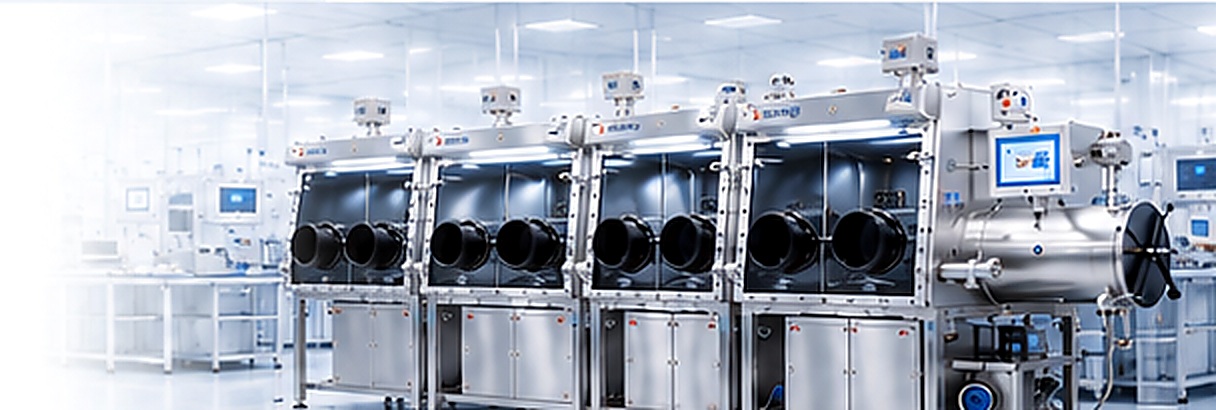
Why Solvent Vapor Control Matters in a Glove Box
If you work with volatile organic solvents inside an inert atmosphere glove box, you've likely noticed that even small amounts of solvent vapor can cause trouble. Solvents like toluene, acetone, ethanol, dichloromethane, or dimethyl sulfoxide are commonly used in material synthesis, battery research, perovskite solar cell fabrication, and pharmaceutical development. When these solvents evaporate inside the sealed chamber, their vapors can accumulate, leading to several serious issues.
First, solvent vapors can be adsorbed by the gas purification system's molecular sieve and copper catalyst, reducing their capacity to remove moisture and oxygen. Over time, this "poisoning" shortens the regeneration cycle and increases operating costs. Second, certain solvent vapors may chemically react with sensitive materials under inert gas conditions—for example, in lead halide perovskite or OLED experiments, even trace solvent contamination can alter film morphology and device performance. Third, solvent vapors pose health and safety risks when opening the glove box or during maintenance, especially for toxic or flammable compounds.
An organic solvent vapor adsorption system is specifically designed to address these challenges. It continuously filters solvent vapors from the recirculating gas stream, keeping the glove box atmosphere clean and stable. This accessory is not just an add-on—it becomes an essential component for any lab that regularly uses organic solvents inside a glove box.
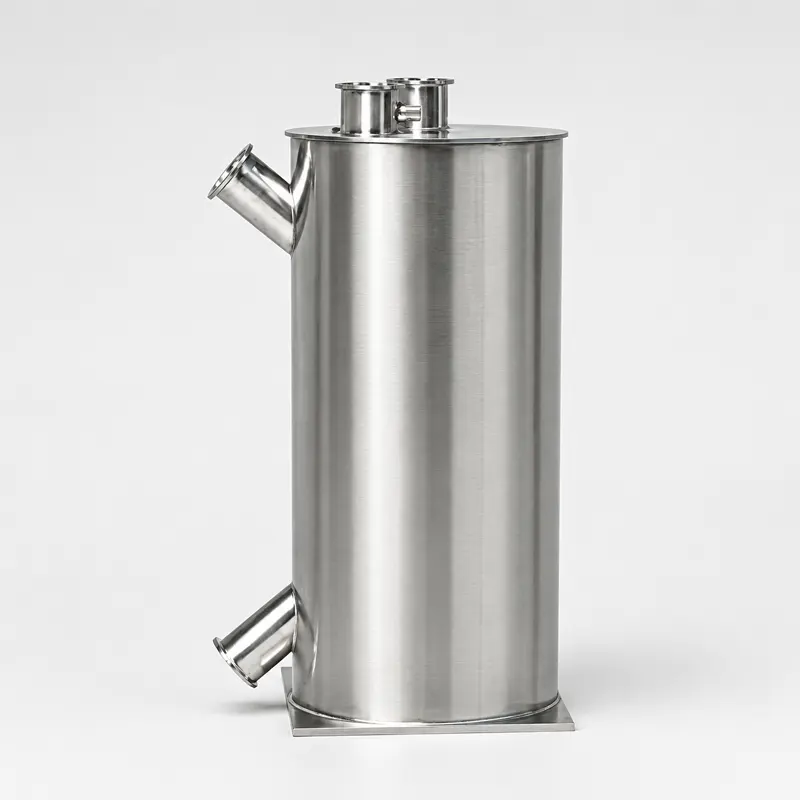
How Does an Organic Solvent Vapor Adsorption System Work?
The principle behind the solvent vapor adsorption system is relatively straightforward but highly effective. The system consists of a dedicated adsorption column filled with a specialized adsorbent material, typically high‑surface‑area activated carbon or a tailored molecular sieve that has a strong affinity for organic vapors. This column is integrated into the glove box's gas recirculation loop, either in series with the main gas purification column or as a separate bypass loop.
As the inert gas (argon or nitrogen) circulates through the glove box, it carries any airborne solvent molecules through the adsorption column. The porous structure of the adsorbent traps the vapor molecules while allowing the inert gas to pass through. The cleaned gas then returns to the glove box, ensuring that solvent concentrations remain below detectable levels.
One key advantage of a dedicated solvent vapor adsorption system is that it protects the primary purification column. The copper catalyst and molecular sieve in the gas purification column are designed to remove oxygen and moisture, not organic vapors. When solvents are present, they compete for active sites and gradually deactivate the purification material. By intercepting solvent molecules before they reach the main column, the solvent vapor adsorption system extends the life of the purification column and maintains consistent H₂O and O₂ removal performance. Typically, the adsorption column can be regenerated separately by heating and purging with inert gas, or simply replaced when saturated, depending on the design.
For laboratories that frequently use a variety of solvents, having an independent solvent management module provides operational flexibility. You can run solvent‑intensive processes without worrying about contaminating the entire glove box atmosphere or compromising your moisture/oxygen specification.
Key Applications That Benefit from Solvent Vapor Control
Perovskite Solar Cell Research
In perovskite synthesis, solvents like DMF, DMSO, and chlorobenzene are used for spin‑coating and anti‑solvent crystallization. Even low levels of residual solvent vapor in the glove box can affect the perovskite film's morphology and crystallization kinetics. Many research groups have reported that the presence of solvent vapors during film formation can alter grain orientation and trap density, ultimately influencing device efficiency. An effective vapor adsorption system ensures that the atmosphere remains inert and solvent‑free, allowing reproducible fabrication conditions.
Lithium Battery and Solid‑State Electrolyte Processing
Lithium metal and solid‑state electrolytes are extremely sensitive to moisture and oxygen. Solvents such as ethylene carbonate, dimethyl carbonate, or N‑methyl‑2‑pyrrolidone are often handled inside glove boxes. If solvent vapors are not removed, they can increase the background contamination level and interfere with electrochemical testing. The adsorption system helps maintain the ultra‑low H₂O and O₂ levels required for lithium battery research.
OLED and Optoelectronic Material Synthesis
Organic light‑emitting diode (OLED) materials and many coordination compounds require strict inert atmosphere conditions. Solvent vapors from synthesis or purification procedures can degrade the luminescent properties of these materials. Using a solvent vapor adsorption system prevents cross‑contamination and ensures that the glove box remains suitable for high‑purity material handling.
Pharmaceutical and Fine Chemical Handling
In a pharmaceutical R&D setting, glove boxes are used to handle air‑sensitive catalysts, hygroscopic intermediates, or potent compounds. Solvent vapors not only pose a purity risk but can also accelerate glove degradation and compromise operator safety. Integrating a vapor adsorption system adds an extra layer of protection, especially when working with toxic or volatile substances.
Choosing the Right Solvent Vapor Adsorption System for Your Glove Box
When selecting a solvent vapor adsorption system, several factors should be considered to match your specific workflow:
- Adsorbent type and capacity: Different adsorbents have varying affinities for different solvent families. Activated carbon is effective for a wide range of organic vapors, while specialized molecular sieves may be preferred for specific solvents. The system’s adsorption capacity determines how often regeneration or replacement is needed.
- Integration with existing purification system: The adsorption system should be compatible with your glove box's gas circulation and control system. Many modern systems allow easy installation via quick‑connect fittings and can be switched in and out without breaking the atmosphere.
- Regeneration method: Some adsorption columns can be regenerated in‑situ by heating under inert gas purge, while others are disposable cartridges. Your choice depends on the solvent types and the volume of use. Regenerable systems are more cost‑effective for high‑throughput labs.
- Flow rate and pressure drop: The adsorption column must be sized to handle the recirculation flow of the glove box (typically 60–120 m³/h for a standard single‑ or double‑station unit) without introducing excessive backpressure that could affect the blower or gas circulation.
- Safety features: For flammable solvents, the system should be designed to avoid static buildup and be constructed from materials that do not spark. A well‑designed adsorption system also includes inlet and outlet particulate filters to prevent dust carryover.
When preparing a quotation or technical inquiry, it helps to provide the glove box model, chamber volume, typical solvent types and usage volumes, target H₂O/O₂ levels, and expected operating hours. With this information, a supplier like TENCAN (Changsha Tianchuang Powder Technology Co., Ltd.) can recommend a suitably sized solvent vapor adsorption system that integrates seamlessly with your existing organic solvent vapor adsorption system offering.
Practical Considerations and Best Practices
Installing a solvent vapor adsorption system can significantly improve your glove box's performance, but proper usage is key:
- Monitor the solvent concentration occasionally using a photoionization detector (PID) or a gas chromatograph to verify that the adsorption system is working within its capacity.
- Keep records of solvent usage and regeneration cycles. When the adsorption column approaches saturation, you may notice a sudden rise in the background contamination of the glove box atmosphere.
- If your glove box is equipped with a solvent purification system (e.g., for drying solvents), the vapor adsorption system complements it by capturing airborne solvent that escapes from open containers or during transfer.
- Always follow the manufacturer's instructions for regeneration. Overheating can damage some adsorbents, while under‑purging leaves residual solvents that can redeposit.
In many laboratory applications, the combination of a gas purification system, a solvent vapor adsorption system, and an antechamber with effective pump/purge cycles creates a truly inert environment suitable for the most demanding materials. Whether you are developing next‑generation solar cells, synthesizing new battery electrolytes, or investigating air‑sensitive catalysts, keeping solvent vapors under control is a simple yet often overlooked step toward reproducible results.
For further details on glove box accessories that support a clean and stable atmosphere, you may also explore related components such as glove box port covers, HEPA filter cartridges, and vacuum pumps. Each element plays a role in maintaining the required atmosphere quality for sensitive experiments.
Final Thoughts
An organic solvent vapor adsorption system is not a luxury—it is a practical necessity for any glove box user who regularly works with volatile organic solvents. By removing solvent vapors from the recirculating gas, it protects the main purification column, extends maintenance intervals, and ensures that your inert atmosphere truly remains inert. Whether you are in a university lab, a research institute, or an industrial R&D center, investing in a dedicated solvent vapor management solution will save time, reduce consumable costs, and improve the reliability of your experimental data.
If you are considering upgrading your glove box or specifying a new system, feel free to discuss your solvent types and usage patterns with a technical specialist. The right adsorption system can be tailored to your exact needs, making your glove box a more versatile and productive tool for advanced material research.