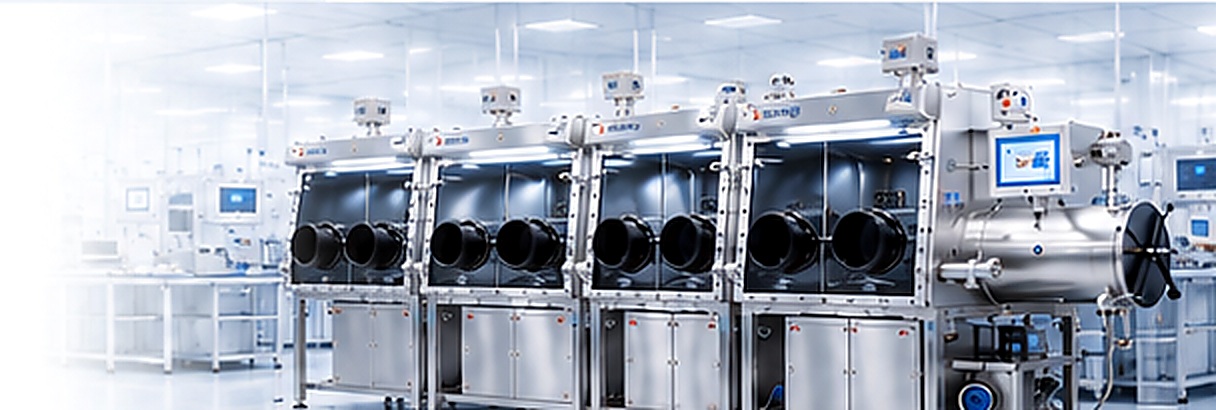
Why Standard Gas Purification Struggles With Solvent Vapors
If your laboratory uses a glove box for handling moisture-sensitive or oxygen-sensitive materials, you already know how critical it is to maintain a low H₂O and O₂ environment. But what happens when your work involves organic solvents—such as toluene, tetrahydrofuran (THF), dichloromethane, or acetonitrile? These solvents evaporate easily and produce vapors that circulate inside the glove box atmosphere. Unlike moisture and oxygen, organic solvent vapors are not removed by conventional gas purification columns (which rely on copper catalyst and molecular sieves). In fact, solvent vapors can poison the catalyst, reduce adsorption capacity, and shorten the service life of your purification system. This is exactly where an organic solvent vapor adsorption system becomes essential.
Many researchers initially assume that the glove box's built-in purification loop can handle everything. But in practice, volatile organic compounds (VOCs) can saturate the molecular sieve bed or chemically react with the copper catalyst, leading to irreversible damage. The result? Faster regeneration cycles, higher gas consumption, and eventually the need for costly column replacement. A dedicated solvent vapor adsorption system acts as a pre-filter or side-loop that captures organic molecules before they reach the main purification unit.
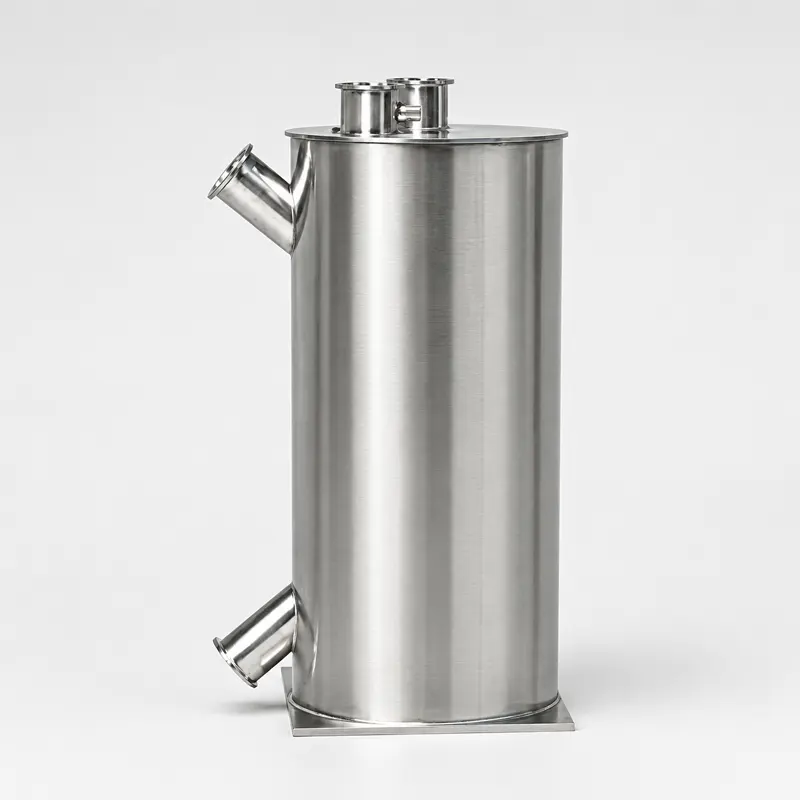
How an Organic Solvent Vapor Adsorption System Works
The design of an organic solvent vapor adsorption system is relatively straightforward but highly effective. It typically consists of one or more adsorption columns filled with a high-surface-area adsorbent—often activated carbon, zeolite, or a specialized polymeric resin. The glove box atmosphere is circulated through the adsorption column, where solvent molecules are trapped by physical adsorption (van der Waals forces) or, in some cases, by chemisorption. The cleaned gas is then returned to the glove box chamber.
Depending on the application, the system can be configured in two ways:
- In-line configuration: The adsorption column is placed in the main gas recirculation loop, usually downstream of the purification column. This is common when solvent exposure is frequent and the gas flow rate is moderate.
- Bypass or parallel configuration: A separate circulation loop with its own blower is installed, allowing the solvent adsorption system to operate independently. This is useful when solvents are used in high concentrations or when you want to avoid any pressure drop in the main loop.
Most systems include a monitoring port so you can check the saturation status of the adsorbent. Some advanced units also incorporate a regeneration feature, where hot inert gas or vacuum is applied to desorb the captured solvents, extending the lifetime of the adsorbent media.
Key Benefits for Your Glove Box Operation
Protection of the Gas Purification Columns
The primary reason to invest in an organic solvent vapor adsorption system is to safeguard your expensive purification columns. Copper catalyst beds are designed to react with oxygen and trace moisture, not with hydrocarbon vapors. When solvent molecules occupy the active sites on the catalyst or molecular sieve, the column's ability to remove H₂O and O₂ declines. By removing solvents upstream, you maintain the original performance of your purification system and extend the interval between regenerations.
Improved Atmosphere Stability
Solvent vapors can interfere with sensitive processes such as lithium battery electrolyte filling, perovskite solar cell fabrication, or organometallic synthesis. Even low concentrations of solvent vapor can alter reaction kinetics or contaminate your samples. An adsorption system keeps the atmosphere clean, ensuring that your experimental results are reproducible and free from solvent interference.
Reduced Gas Consumption
When solvent vapors saturate the purification column, the system must be regenerated more frequently. Each regeneration cycle consumes a significant amount of inert gas (argon or nitrogen) and energy. With a dedicated solvent vapor adsorbing unit, the main purification column sees fewer contaminants, leading to fewer regenerations and lower operating costs.
Enhanced Safety
Many organic solvents are flammable or toxic. Allowing their vapors to accumulate inside a closed glove box creates both a chemical hazard and a potential explosion risk (if the vapor concentration reaches the lower explosive limit). While glove box atmospheres are usually inert (argon or nitrogen), the presence of solvent vapors can still be dangerous, especially during maintenance or when the box is opened. An adsorption system reduces the vapor concentration to safe levels.
Selecting the Right Adsorption System for Your Application
Not all solvent vapor adsorption systems are identical. When choosing one, you should consider the following factors:
Types of Solvents Used
Different adsorbents have different affinities for various solvent classes. Activated carbon is excellent for non-polar and moderately polar solvents (toluene, hexane, ethyl acetate). For highly polar solvents like alcohols or water-miscible solvents (acetone, acetonitrile), a zeolite or silica-based adsorbent may be more effective. Some systems use a mixed-bed approach to cover a broader range.
Flow Rate and Box Volume
The adsorption system must be sized to handle the recirculation flow rate of your glove box. A typical laboratory glove box has a circulation flow of 60–120 m³/h, depending on the chamber volume. Ensure the adsorption column's pressure drop does not exceed what your blower can handle. If you are using a bypass configuration, a dedicated blower with adjustable speed is recommended.
Saturation Monitoring and Replacement
Most adsorption systems include a color-changing indicator or a pressure differential gauge to tell you when the adsorbent is saturated. Some units can be regenerated by heating under inert gas flow or by applying a vacuum. However, for many applications, the adsorbent is treated as a consumable and replaced periodically. The replacement interval depends on the solvent load (concentration and usage hours). As a practical reference, a typical system treating 5–10 ppm of solvent vapor may last several months before replacement, but actual lifetime varies greatly with usage.
Integration With Existing Glove Box
Before purchasing, check the connection interfaces. Most systems use standard KF flanges (e.g., KF40 or KF50) for easy integration into the glove box recirculation loop. The organic solvent vapor adsorption system from TENCAN is designed to connect seamlessly with common port configurations, requiring no major modifications to your existing setup.
Installation and Operating Considerations
Location in the Circulation Loop
It is generally recommended to install the adsorption system after the main purification column (on the return side to the glove box) or as a separate side loop. This prevents any potential shedding of adsorbent dust from entering the main purification media. Always include a particulate filter (such as a HEPA cartridge) downstream of the adsorption column to capture any fine particles.
Temperature Effects
Adsorption efficiency decreases with increasing temperature. If your glove box operates at elevated temperatures (e.g., due to internal equipment or exothermic reactions), consider placing the adsorption unit outside the heated zone or adding a cooling section. Most systems perform best at room temperature (20–25 °C).
Combination With Other Accessories
An organic solvent vapor adsorption system is often used together with a glove box moisture analyzer and a zirconia oxygen analyzer to provide complete atmosphere monitoring. For applications involving strong acids or bases, you may also need a dedicated scrubber or a chemical-resistant feedthrough.
Common Application Scenarios
- Lithium battery research: Electrolyte filling involves volatile carbonate solvents (EC, DMC, EMC). Their vapors can quickly degrade the purification column. An adsorption system is highly recommended for any battery lab using open electrolyte vessels inside the glove box.
- Organic electronics (OLEDs, OPVs): Processing often uses chlorobenzene, toluene, or other aromatic solvents. These vapors can interfere with the delicate organic thin-film deposition processes.
- Nanomaterial synthesis: Organometallic precursors and reaction solvents (e.g., oleic acid, octadecene) often release vapors that must be removed to maintain inert conditions.
- Pharmaceutical and medicinal chemistry: Handling of air-sensitive catalysts and solvents in an inert atmosphere requires clean gas to avoid side reactions.
Maintenance Tips
To keep your solvent vapor adsorption system working at its best:
- Monitor the pressure difference across the column regularly; a sudden increase indicates the adsorbent may be near saturation or clogged.
- If the system includes a regeneration feature, follow the manufacturer's recommended temperature and gas flow settings. Overheating can damage the adsorbent structure.
- Replace the adsorbent according to the schedule based on your solvent usage. Keep a log of solvent types and quantities to estimate replacement intervals.
- Always use high-purity inert gas (99.999% argon or nitrogen) for regeneration to avoid introducing new contaminants.
- Check for leaks at the connection flanges and valves periodically. A small leak can allow moisture into the loop and compromise adsorption performance.
Summary: A Small Investment With Long-Term Returns
An organic solvent vapor adsorption system may seem like an optional accessory, but for anyone regularly working with volatile organic compounds inside a glove box, it quickly becomes indispensable. By protecting your primary gas purification columns, stabilizing the atmosphere, reducing gas consumption, and enhancing safety, it pays for itself over time. When configuring your glove box system, consider adding this unit early—it is far easier to integrate from the start than to retrofit later. If you are unsure which model suits your application, consulting with an experienced glove box systems engineer can help you match the adsorption capacity, flow rate, and adsorbent type to your specific solvent profile.
For detailed specifications and integration options, you can explore the organic solvent vapor adsorption system product page and related accessories such as HEPA filter cartridges and gas and liquid feedthroughs to build a complete solution.