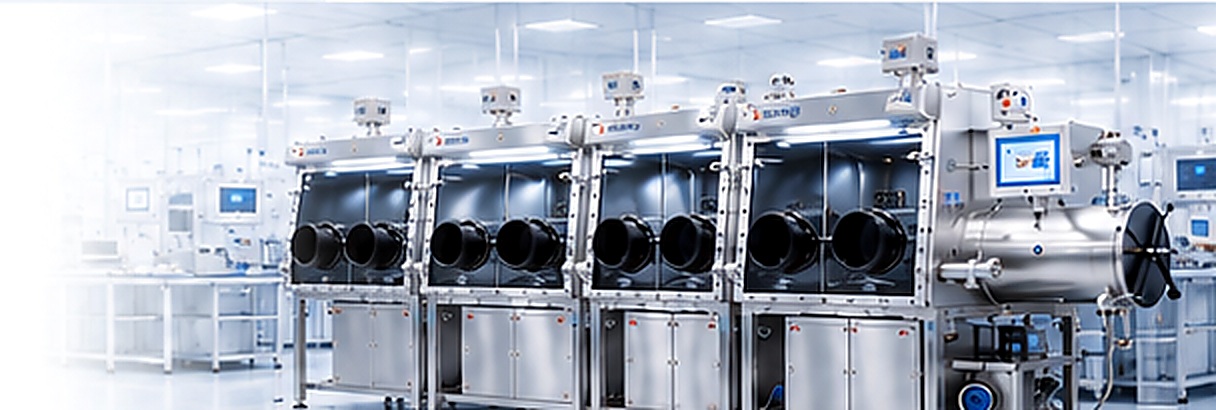
Why Gas Purification Is the Heart of a Glove Box System
When you work with air-sensitive materials—whether it is lithium metal for battery research, perovskite precursors for solar cells, or organometallic compounds for pharmaceutical synthesis—the quality of your inert atmosphere directly determines whether your experiment succeeds or fails.
A glove box itself is only an enclosure. It provides physical isolation from the ambient environment, but without active gas purification, the atmosphere inside will quickly degrade. Moisture and oxygen from glove permeation, sample transfers through the antechamber, and even outgassing from materials inside the chamber will gradually raise H₂O and O₂ levels. Within hours, a sealed but unpurified glove box can drift from a few parts per million (ppm) to hundreds of ppm, rendering it unsuitable for most sensitive processes.
This is where a dedicated gas purification system becomes essential. The GP20 gas purification system cabinet is one example of a stand-alone unit designed to continuously circulate the glove box atmosphere through purification media, removing water and oxygen to maintain target levels—often below 1 ppm for both contaminants. Understanding how this system works, what performance parameters matter, and how to match it to your specific application is critical for making a sound investment.
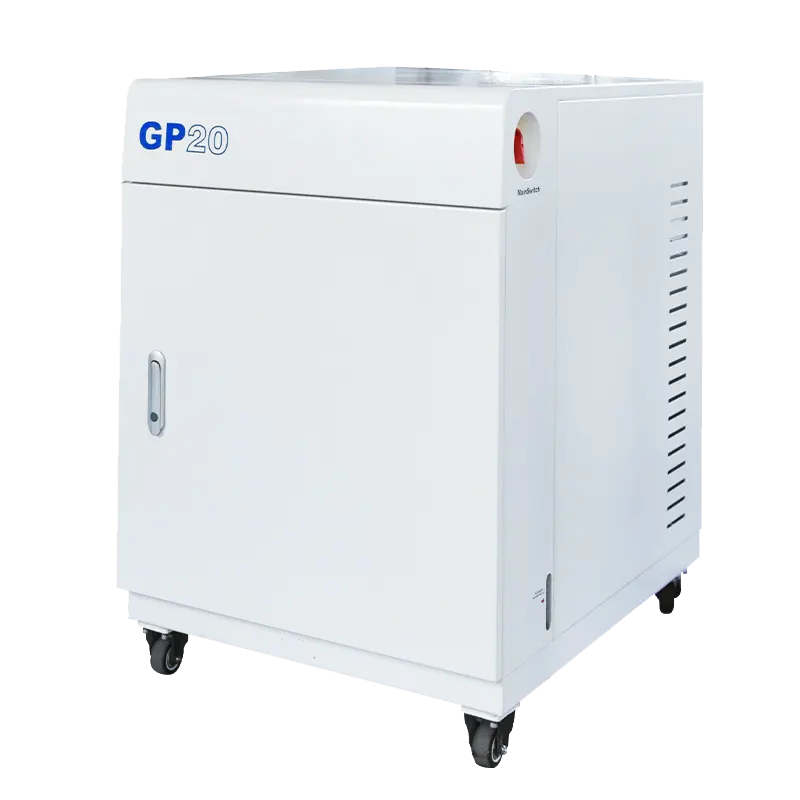
How the GP20 Purification System Works: Circulation, Adsorption, and Catalysis
The operating principle behind the GP20 is straightforward, but the engineering required to achieve and sustain sub-ppm contamination levels is anything but simple. The system performs a continuous closed-loop process with three core steps:
1. Gas Circulation
A high-efficiency blower draws the inert gas (typically argon or nitrogen) from the glove box, passes it through the purification column, and returns the cleaned gas back to the chamber. The circulation flow rate—commonly in the range of 60 to 120 m³/h for laboratory-scale systems—determines how quickly the entire atmosphere can be turned over. A higher flow rate reduces the time needed to recover from a disturbance, such as opening the antechamber.
2. Moisture Removal via Molecular Sieves
Water vapor is removed by passing the gas stream through a bed of molecular sieve material. These sieves have precisely controlled pore sizes that trap water molecules while allowing inert gas molecules to pass through. The process is physical adsorption, and the capacity of the sieve bed depends on its volume, the type of sieve used, and the regeneration history.
3. Oxygen Removal via Copper Catalyst
Oxygen is removed by passing the gas over a copper-based catalyst. At elevated temperatures (typically 200–300 °C during regeneration), copper reacts with oxygen to form copper oxide. During normal operation at room temperature, the copper catalyst chemisorbs residual oxygen from the circulating gas. The catalyst has a finite capacity and must be periodically regenerated by passing a reducing gas mixture (typically hydrogen in argon or forming gas) through the column at high temperature.
In the GP20 system, both the molecular sieve and copper catalyst are housed within the same purification column, making the unit compact and straightforward to integrate with a glove box. The regeneration process is automated in most modern systems, requiring minimal operator intervention.
Key Performance Indicators of the GP20: H₂O, O₂, and Flow Rate
When evaluating a gas purification cabinet like the GP20, three parameters matter most:
Target H₂O and O₂ Levels
Many laboratory glove box systems with active gas purification can achieve and maintain H₂O < 1 ppm and O₂ < 1 ppm under stable operating conditions. However, the actual steady-state levels depend on several factors beyond the purification system itself:
- Box leakage rate: A well-maintained glove box typically has a leak rate below 0.05 vol%/h. Higher leakage means more contaminants entering the system, which increases the load on the purification column.
- Glove integrity: Butyl rubber gloves offer low permeability to moisture and oxygen, but even they degrade over time. Pinhole leaks or tears can cause rapid spikes in contamination levels.
- Antechamber operation frequency: Each time you transfer materials in or out, you introduce a small amount of ambient air. Multiple consecutive transfers without sufficient purge cycles can overwhelm the purification capacity temporarily.
- Regeneration status: As the purification media approaches saturation, its removal efficiency drops. Regular regeneration restores full capacity.
- Gas purity: The feed gas used to repressurize the box must itself be of high purity (typically 99.999% or higher for both argon and nitrogen). Impurities in the supply gas add to the contaminant load.
- Ambient temperature and humidity: High ambient humidity increases the moisture load on the system, particularly during antechamber operations.
- Operator technique: Slow and deliberate antechamber cycling, combined with sufficient purge and vacuum steps, minimizes the ingress of contaminants.
For these reasons, it is not possible to guarantee a fixed H₂O or O₂ level for all installations. Instead, the system should be specified based on its demonstrated capability under defined conditions, and the user should work with the supplier to establish realistic performance expectations for their specific setup.
Circulation Flow Rate
The flow rate of the purification system determines how quickly contaminants are removed after a disturbance. A typical laboratory glove box with a volume of 0.5 to 1.0 m³ may be paired with a purification system rated at 60–90 m³/h. The GP20 is designed to match the needs of standard single- to multi-station glove boxes, providing sufficient turnover to keep contaminant levels stable under routine operating conditions.
Regeneration Cycle and Column Life
The purification column in a system like the GP20 has a finite adsorption/catalyst capacity. After a period of use—which can range from several weeks to several months depending on the contamination load—the column becomes saturated and must be regenerated. The regeneration process heats the column to 200–300 °C while purging with a reducing gas mixture to remove adsorbed water and reduce copper oxide back to metallic copper.
The frequency of regeneration depends directly on how much moisture and oxygen the system must handle. A box used for daily handling of air-sensitive materials with proper antechamber technique may require regeneration every 6–12 months. A box in a humid environment or with frequent transfers may need it more often. Modern purification cabinets include automated regeneration sequences, making the process reliable and user-friendly.
Selecting the Right Purification Cabinet for Your Laboratory Application
Choosing a gas purification system involves matching the unit's capacity and features to the demands of your specific processes. Here are the key considerations:
Chamber Size and the Number of Workstations
The total volume of your glove box directly affects the required flow rate and purification capacity. A single-station box (typically around 0.5–0.7 m³) needs less throughput than a four-station system (over 1.5 m³). The GP20 is well suited for single- to dual-station configurations, but larger setups may require a higher-capacity unit or multiple purification cabinets.
Material Sensitivity and Target Atmosphere Specifications
Different materials impose different demands:
- Lithium metal and battery electrolytes: Typically require H₂O and O₂ below 1 ppm. Even brief exposure to higher levels can cause discoloration, oxidation, or hazardous reactions.
- Perovskite solar cell precursors: Water is particularly detrimental; many methylammonium-based formulations degrade rapidly above 1 ppm H₂O.
- OLED and display materials: Extremely sensitive to both moisture and oxygen. Sub-ppm levels are standard, and some processes require dedicated solvent purification systems in addition to the gas purification system.
- 3D printing powders (metal or polymer): Specifications vary widely. Some powders tolerate up to 10–100 ppm, while reactive alloys require sub-ppm levels.
- General organometallic synthesis: Most common organometallic compounds require < 1 ppm for both water and oxygen.
If your process involves solvents, you may also need a solvent purification system integrated with the gas purification cabinet, as volatile organic compounds can degrade the performance of both the molecular sieves and the copper catalyst.
Single-Sided vs. Double-Sided Operation
Double-sided glove boxes increase accessibility but also increase the total glove count and internal volume, which can affect the contaminant ingress rate. The purification system must be sized accordingly. The GP20 can be paired with both single- and double-sided configurations, provided the total chamber volume and anticipated contamination load are within its design range.
Automation, Monitoring, and Safety Features
Modern gas purification cabinets include PLC-based control systems with touch-screen interfaces. The GP20 system incorporates features such as:
- Automated regeneration sequencing, reducing the need for operator expertise.
- Continuous monitoring of H₂O and O₂ levels via integrated analyzers (typically electrochemical or electrolytic types).
- Data logging capability for traceability and quality assurance.
- Safety interlocks to prevent overheating, overpressure, or unsafe gas mixture during regeneration.
- Alarm systems that alert users when contaminant levels exceed set thresholds.
These features not only improve reliability but also reduce the learning curve for new operators.
Installation Requirements
Before installing a gas purification cabinet, ensure that your laboratory has:
- An appropriate gas supply (high-purity argon or nitrogen) with a suitable pressure regulator.
- Electrical supply matching the system's requirements (voltage and frequency vary by region).
- Adequate ventilation for the regeneration exhaust (typically small volumes of hydrogen-containing gas are released).
- Proper floor space with allowance for maintenance access.
System Maintenance: Regeneration Cycles and Long-Term Reliability
One of the most common questions laboratory managers ask is how much ongoing maintenance a gas purification system requires. The answer depends on usage, but a few practical guidelines apply:
Regeneration Frequency
As mentioned, regeneration is required when the purification media approaches saturation. Signs that regeneration is needed include:
- Gradual upward drift of H₂O or O₂ levels despite stable operating conditions.
- Slower-than-normal recovery after an antechamber transfer.
- System alarms indicating high contaminant levels.
Most modern systems, including the GP20, include a regeneration timer or monitor that tracks cumulative contaminant load and prompts the operator when regeneration is recommended. The regeneration process itself takes several hours—typically 4–8 hours, depending on the column size and system design—and is best performed overnight or during a low-activity period.
Maintenance of the Water/Oxygen Analyzer
The accuracy of your H₂O and O₂ analyzers is essential for meaningful atmosphere control. Electrochemical oxygen sensors have a finite service life (typically 1–2 years) and may require periodic calibration. Moisture analyzers, depending on the type, may also need calibration or sensor replacement. Regular verification against a known standard is recommended.
Glove Maintenance and Replacement
The gloves on the glove box are the primary interface for manual operations and a major potential source of contaminant ingress. Butyl rubber gloves should be inspected regularly for cracks, pinholes, or stiffness. Replacement intervals depend on the frequency of use and the chemicals handled, but annual replacement is a common practice in busy laboratories.
Overall System Leak Checking
Periodic leak checks of the entire system—including the glove box, transition chamber, and all connections to the purification cabinet—help identify small leaks before they cause significant atmosphere degradation. A standard leak rate test pressurizes the system slightly above atmospheric pressure and monitors pressure decay over time. A well-maintained system should hold within the manufacturer's specification, typically below 0.05 vol%/h.
Integrating the GP20 with Your Glove Box Workflow
When planning to integrate a gas purification cabinet into an existing or new glove box system, a few practical considerations can help ensure smooth operation:
Gas Purity Matters More Than You Might Think
Even if your purification system is capable of cleaning the gas to well below 1 ppm, starting with a low-purity gas will accelerate media saturation and shorten the interval between regenerations. For optimal performance, use gas with a guaranteed purity of at least 99.999% and a moisture and oxygen content below 1 ppm at the point of use.
Antechamber Technique Is Critical
No matter how capable the GP20 purification system is, poor antechamber technique will repeatedly overwhelm the purification media. A standard antechamber cycle for sensitive materials involves:
- Place the sample in the antechamber.
- Close and seal the outer door.
- Evacuate the chamber to a suitable vacuum level (typically below 1 mbar).
- Refill with inert gas.
- Repeat steps 3–4 for 3–5 cycles.
- Open the inner door to transfer the sample into the glove box.
Each cycle removes approximately 90% of the residual air, so three cycles reduce contaminants to ~0.1% of the original amount, and five cycles bring it to ~0.001%. For most materials, 3–5 cycles provide adequate transfer quality without excessive gas consumption.
Customization Options
Depending on your application, you may need additional features such as:
- An integrated solvent purification system for processes requiring ultra-dry solvents.
- Additional port for high-vacuum pumping or specialized gas mixtures.
- Casters or a dedicated stand for flexible positioning.
- Extended data logging or remote monitoring capabilities.
- Spare purification columns for rapid changeover during extended operations.
The GP20 gas purification system cabinet is designed with modularity in mind, allowing for various configurations to match specific laboratory workflows.
Making an Informed Decision
Choosing a gas purification system is not just about comparing flow rates or regeneration temperatures on a datasheet. It is about understanding the specific demands of your materials, the operating habits of your team, and the environment in which the equipment will run.
A well-specified purification cabinet, like the GP20, can provide years of reliable atmosphere control, enabling consistent experimental results and protecting valuable materials. The key is to evaluate your current and anticipated needs honestly and to work with a supplier who can explain not just what the system can do, but under what conditions and with what limitations.
When you are ready to discuss your application and explore the right configuration, having the following information prepared will streamline the process:
- Description of your materials and their sensitivity to water and oxygen.
- Target H₂O and O₂ specifications.
- Glove box chamber dimensions and number of workstations.
- Single-sided or double-sided operation preference.
- Preferred glove material (e.g., butyl rubber, chloroprene, EPDM).
- Types of solvents or chemicals used in the box.
- Expected daily operating hours and frequency of antechamber transfers.
- Local voltage and frequency.
- Available floor space and installation constraints.
With a clear picture of these factors, you can select a gas purification system that truly fits your laboratory—and avoid the frustration of a mismatched solution.