Product Introduction
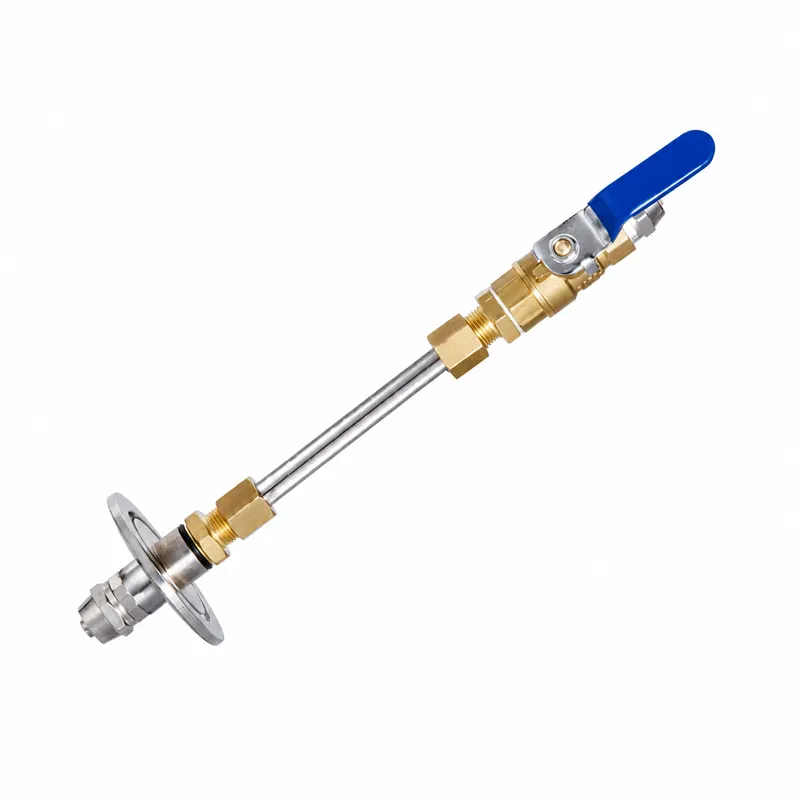
Medium: Gas, Liquid
Pipeline: φ8 Stainless Steel Tubing
Seal: KF Flange Seal
Leak Rate: 10-Pa·L/s
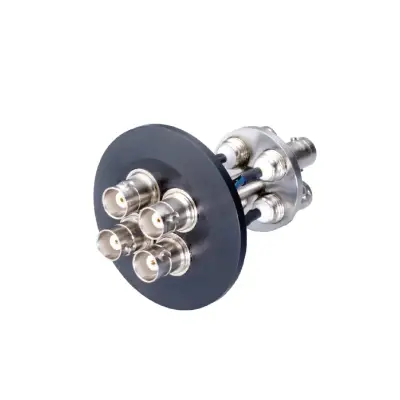
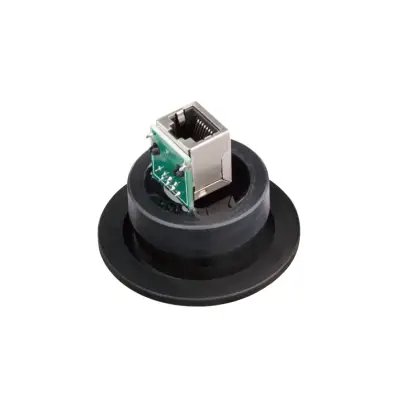
Application: Mainly used for connecting equipment inside the glove box vacuum chamber to external equipment.
FAQ
-
What Is a GBV-2 Stainless Steel Vacuum Glove Box? Vacuum-Assisted Inert Atmosphere for Sensitive Samples
Learn how the GBV-2 stainless steel vacuum glove box uses a sealed chamber, vacuum, and inert-gas exchange to support air-sensitive work, and which limits to verify.
MORE >> -
What Is a KF40 Electrical Test Lead Feedthrough? Its Role in Glove Box Testing
A KF40 electrical test lead feedthrough passes instrument wiring through a glove box wall without breaking the inert atmosphere. Here is how it works and how to choose one.
MORE >> -
What Is a KF40 Ethernet Feedthrough? Carrying Network Signals Into a Glove Box
A KF40 Ethernet feedthrough passes network data through a glove box wall without breaking its atmosphere, so instruments inside can be controlled and monitored from outside.
MORE >> -
What Is a Two-Station Split-Type Purification Glove Box? Atmosphere Control in Practice
A split-type purification glove box circulates and cleans its own atmosphere to keep oxygen and moisture low. Here is how it works, what to check, and where its limits lie.
MORE >> -
What is a KF40 Ethernet Feedthrough? A Vacuum-Safe Data Feedthrough for Inert Atmosphere Glove Boxes
A KF40 Ethernet Feedthrough is a specialized vacuum component that enables reliable data transmission through the walls of a glove box, maintaining an inert atmosphere. It features a CAT6 rated RJ45 connector, ultra-low vacuum leakage rate below 1×10⁻⁹ Pa·m³/s, and is designed for use with KF40 flanges, ideal for semiconductor, battery, and materials research.
MORE >> -
What is a Gas and Liquid Feedthrough? A Sealed Connection Device for Introducing Gas and Liquid into Glove Boxes
A gas and liquid feedthrough is a specialized accessory that enables the safe and hermetic transfer of gases and liquids into a glove box environment. It maintains the inert atmosphere by preventing leaks while allowing necessary utilities to be connected to internal equipment. This article explains its function, types, and selection criteria.
MORE >>