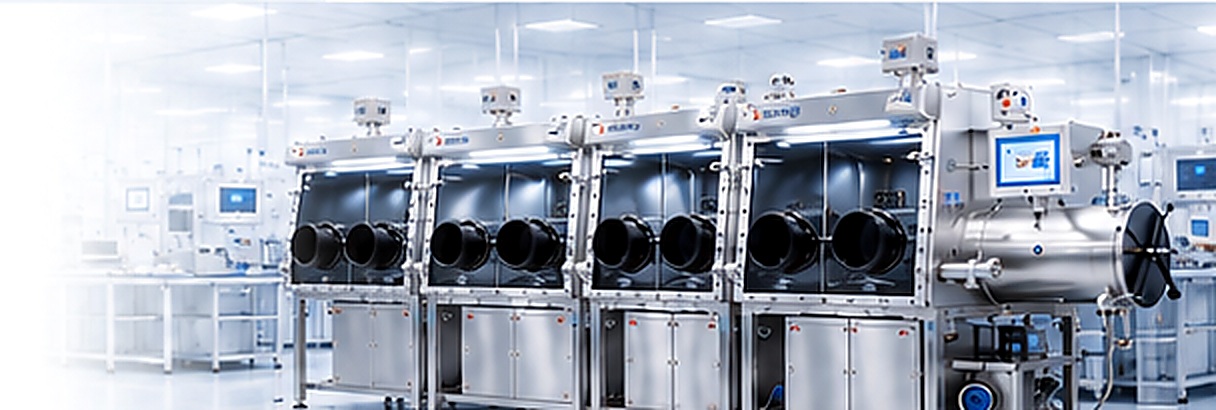
Air-sensitive powders create a deceptively simple purchasing problem. The powder must be kept away from moisture, oxygen, or both, so a glove box seems like the obvious answer. In practice, a glove box is only suitable when its atmosphere, transfer path, operator layout, cleaning routine, and material compatibility all match the work. A box that is convenient for one gram of catalyst may be a poor fit for routine weighing of hygroscopic battery precursors across several shifts.
This guide is written for materials researchers, laboratory managers, and procurement engineers who need to form a defensible shortlist rather than compare glossy photographs. It sets out the fit criteria first, then explains a documented TENCAN configuration for multi-position powder work, the accessory details that affect day-to-day reliability, and the information to send before requesting a quotation. The aim is not to declare a universal winner. It is to help you decide which glove box architecture deserves a detailed technical discussion.
Begin with the Powder and the Process, Not the Hardware
An air-sensitive powder is not defined by a single property. Some materials are primarily moisture-sensitive; others react with oxygen; many are affected by both. The form of the powder also matters. A fine, light powder may become airborne during weighing, cling to surfaces through static charge, or migrate into glove ports and transfer chambers. A granular material behaves differently. Before discussing purification capacity, describe the material's sensitivity, toxicity, particle size, bulk density, and the largest and smallest quantity you expect to handle.
The process stage is equally important. Receiving and storing a sealed sample is a different task from opening it, subdividing it, weighing it into vials, mixing it with a solvent, pressing it into a pellet, or loading it into an analytical instrument. Each step changes the number of transfers, the risk of spillage, the tools required, and the acceptable recovery time after a port is opened. A glove box selected for occasional sampling should not be specified as though it were a production weighing station, and a high-throughput workflow should not be squeezed into a layout designed for one operator.
Finally, define what “clean” means for your work. An inert atmosphere is not the same as a cleanroom, a biological safety cabinet, or an explosion-protected enclosure. If the powder is pyrophoric, toxic, or otherwise hazardous, complete a formal risk assessment with your safety team. Inert gas reduces one class of reactivity; it does not by itself establish safe handling for every material. The glove box specification should support the assessment, not replace it.
Five Fit Criteria That Decide Whether a Purified Glove Box Is Appropriate
Five practical questions separate a good fit from an expensive mismatch. They apply to any supplier, so they are also the right basis for comparing an initial TENCAN proposal with later quotations from other regions.
1. Atmosphere Target and Verification Method
State the target water and oxygen levels separately, along with the gas to be used, the expected workload, and the conditions under which the target must be demonstrated. “Inert atmosphere” is not a specification. Ask how the level will be verified, where the sensors are located, how long the system takes to recover after a transfer, and whether the quoted performance applies to an empty box or to a representative powder-handling cycle. A continuous gas-purification system and a simple purge box are different tools. The former is intended to control the recirculating atmosphere; the latter relies on displacement and may not provide the same ongoing control. Do not treat a purge procedure as equivalent to continuous purification, and do not accept a sub-ppm claim unless it is tied to defined test conditions and documented instrumentation.
2. Powder Handling Ergonomics and Containment
Powder work is physical. Operators need reach, visibility, and enough working height to use balances, spatulas, sieves, vial racks, and waste containers without stretching gloves to their limits. The glove-port spacing, window angle, and interior lighting matter as much as purification hardware. For fine powders, consider how spills will be contained and removed, whether static will cause material to cling to the window, and how tools will be cleaned between batches. A layout that looks spacious on a drawing can become congested once a balance, a sample vial, and a waste bottle are inside. Ask for the internal working dimensions and sketch the actual task sequence.
3. Antechamber and Transfer Logic
The antechamber is the interface between the laboratory and the protected atmosphere. Its usable size, door arrangement, and vacuum capability should match the containers and tools you will transfer. Keep three parameters distinct: the glove box's normal working pressure, the antechamber's vacuum duty, and the atmosphere's water and oxygen performance. They are related but not interchangeable. A large antechamber can reduce transfer frequency, but it also changes pump-down time and gas use. For powder work, decide whether solid containers, small instruments, or both must pass through, and whether a separate pass box is needed to avoid mixing clean and dirty items.
4. Gas Purification Architecture and Serviceability
A purification system may be integrated into the glove box or supplied as a separate unit. An independent purifier is not a complete glove box; it is one part of an atmosphere-control system that must be matched to the enclosure, piping, controls, and safety requirements. Ask for the purification principle, regeneration requirements, utility connections, replacement parts, and service access. Also ask how the purifier behaves during standby and maintenance. The most useful comparison is not a single headline number but a complete description of how the atmosphere is maintained through your working week.
5. Material Compatibility, Cleaning, and Safety Review
Confirm compatibility of the box interior, window, gloves, seals, and fixtures with the powder, any solvents used for cleaning, and the expected cleaning agents. A sealing ring or glove that is suitable for one chemistry may be unsuitable for another. If the process involves reactive dusts, solvent vapors, or toxic materials, the ventilation, filtration, and monitoring strategy must be reviewed by qualified safety personnel. HEPA filtration addresses particulate removal; it does not remove moisture or oxygen. Likewise, an inert-gas glove box should not be presented as a certified biological safety cabinet or explosion-protection solution unless the specific documentation supports that use.
Building a Shortlist from Verified Product Information
A shortlist is only useful if every entry can be compared on the same basis. It should not be padded with brands whose current official product information has not been reviewed. For this guide, the supplied TENCAN product information supports a concrete discussion of one purified glove box configuration and one related sealing component. When you add other suppliers, use the same five criteria and request the same evidence rather than comparing a fully documented system with a brochure summary.
TENCAN Configuration for Multi-Position Powder Work
The TENCAN Four-Station Double-Sided Split-Type Glove Box with Gas Purification System is a logical reference point when the workflow needs multiple working positions and a double-sided layout. The product name identifies three features that should be examined directly: four stations, double-sided access, and an integrated gas purification system. For a laboratory that expects several operators, shared instruments, or a sequence of weighing and transfer tasks, those features deserve a detailed layout review rather than a simple yes-or-no comparison.
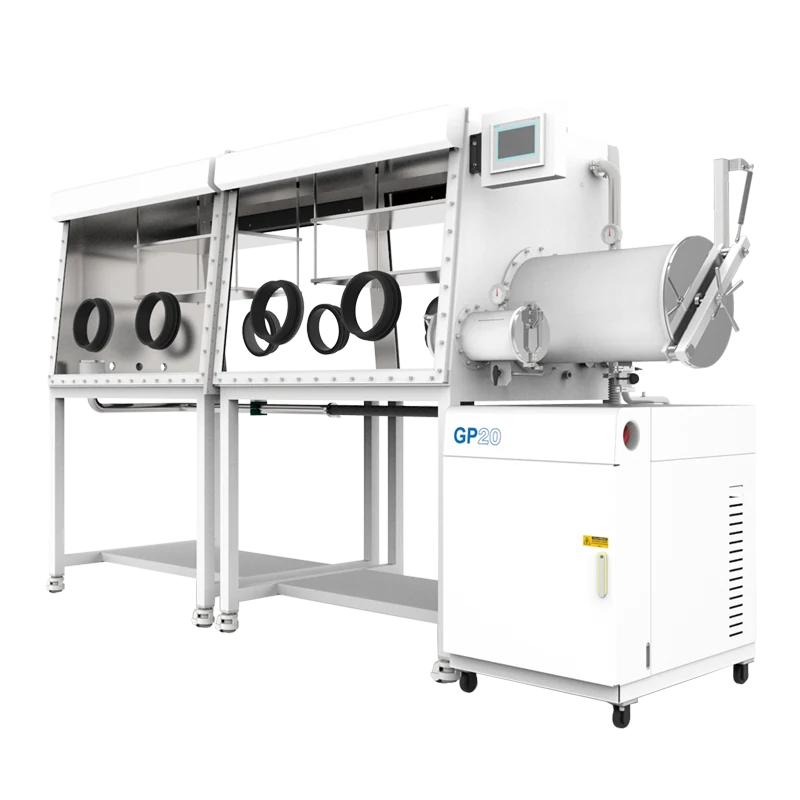
The four-station arrangement can support a workflow in which more than one person needs access, or in which separate tasks are kept in defined positions. The double-sided design should be mapped against the room: which side receives samples, which side supports weighing, and where the purification equipment and service access sit. The split-type construction is also a layout question. Confirm how the working volume is divided, what passes between sections, and whether the arrangement matches your cleaning and contamination-control logic. Do not assume that a larger station count automatically improves throughput; it must fit the room, the gas supply, and the way samples actually move.
The integrated gas purification system is the feature that makes this a purified glove box rather than a simple sealed enclosure. The important next step is to obtain a configuration-specific performance statement. Ask TENCAN to define the water and oxygen measurement points, the test conditions, the expected stabilization period, the regeneration procedure, and the utilities required. If your powder is sensitive to only one of the two contaminants, say so; the control strategy can then be discussed around the actual risk. If both matter, ask for both to be reported separately. The objective is a documented atmosphere specification, not an assumption based on the presence of a purifier.
This configuration is most likely to merit a detailed quotation when the application involves regular powder handling by more than one trained operator, a need to keep weighing and transfer activities organized, and a requirement for ongoing atmosphere purification. It is less obviously a first choice for a single user who opens the box infrequently and can define a short, low-volume task; in that case, a smaller enclosure or a different atmosphere strategy may be easier to site and operate. That is a fit question, not a criticism of the larger system. The right answer depends on the work pattern, available floor space, gas supply, and maintenance resources.
The Small Component That Deserves a Place on the Shortlist
Glove-port sealing rings are easy to overlook because they do not appear in headline performance figures. They nevertheless belong in the purchasing conversation. A replacement ring is a wear-related interface component, and its fit must match the glove port and glove assembly. The TENCAN Glove Port Sealing Ring is listed as a glove box accessory for this interface. When specifying it, confirm the port size, glove model, and intended replacement routine. Ordering a ring without checking compatibility is not a reliability strategy.
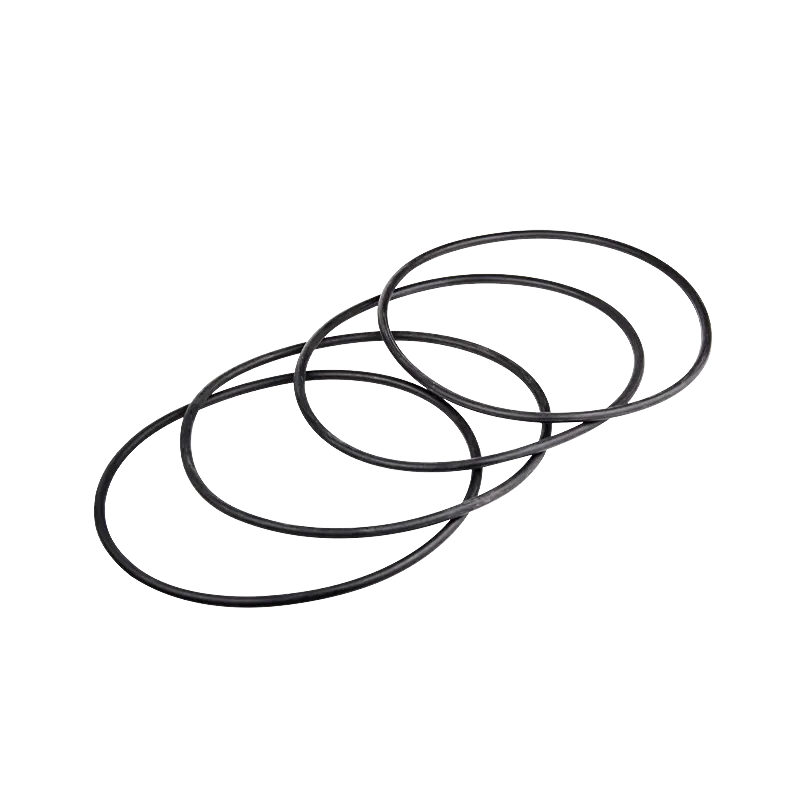
The practical value of including this part in the shortlist is that it forces a maintenance discussion before purchase. Ask how gloves and sealing rings are inspected, how often they should be replaced under your workload, and which spare parts should be kept on site. Do not describe a sealing ring as an atmosphere-purification upgrade; it is an interface component. Its role is to support the glove-port seal within the specified assembly. That distinction keeps the comparison technically honest and helps procurement avoid buying the wrong level of part.
Configuration Matrix: What to Specify Before You Compare Offers
Use a common matrix for every supplier. The rows below translate the fit criteria into questions that can be answered in a quotation and checked during commissioning.
| Decision area | Question for the supplier | Evidence to request |
|---|---|---|
| Powder and task | Which powder, quantity, tools, and process steps will be used? | Written process description and material-safety review |
| Atmosphere | What water and oxygen targets apply, and under what conditions? | Test method, sensor locations, and representative test report |
| Purification | Is purification continuous, integrated, or supplied as a separate unit? | System architecture, regeneration procedure, and utility list |
| Transfer | What sizes and types of containers must pass through the antechamber? | Antechamber dimensions, vacuum duty, and cycle description |
| Ergonomics | How many stations are needed, and from which side will operators work? | Layout drawing, working dimensions, and reach study |
| Cleaning | How will spills, powder residues, and cleaning agents be handled? | Compatible materials list and cleaning guidance |
| Instrumentation | Are feedthroughs, power, data, or analytical instruments required? | Interface drawings and confirmed compatibility |
| Spares | Which gloves, seals, filters, and service parts are specific to the model? | Recommended spare list and replacement instructions |
Where the Configuration Fits, and What to Reconsider
The TENCAN four-station purified box is a strong fit for a shared powder-preparation laboratory that needs a defined working atmosphere, organized transfer, and more than one working position. It is also a sensible discussion point for a pilot line where powder weighing, sampling, and packaging occur in the same controlled environment. The double-sided layout can help separate sample entry from operator work, provided the room layout and workflow support that separation.
A smaller or more occasional workflow may be better served by a compact enclosure, a vacuum glove box, or a purge-based approach after the actual sensitivity and exposure tolerance have been established. An acrylic glove box may be considered where visibility and a lighter enclosure are priorities, but its material compatibility and atmosphere capability must be checked against the powder and cleaning regime. If an existing glove box needs better atmosphere control, a standalone purification unit may be relevant, but it must be matched to the existing enclosure and controls. None of these alternatives should be treated as interchangeable without documentation.
A Practical RFQ Pack for Air-Sensitive Powder Work
Send a concise technical pack rather than a one-line request for a “glove box.” The following information gives a supplier enough context to propose a responsible configuration and helps you compare replies on equal terms.
- Material profile: powder name or class, sensitivity to moisture and oxygen, toxicity, dustiness, and any relevant safety data.
- Process sequence: receiving, opening, weighing, subdividing, mixing, sampling, analysis, cleaning, and waste removal.
- Batch and container sizes: typical and maximum sample mass, vial or jar dimensions, tool sizes, and waste-container volume.
- Atmosphere target: gas type, separate water and oxygen requirements, acceptable recovery time, and the test method you expect.
- Working pressure: normal operating pressure range and any facility limits, stated separately from antechamber vacuum duty.
- Operator layout: number of stations, single- or double-sided access, preferred working height, and room constraints.
- Transfer requirements: antechamber size, container dimensions, frequency of transfer, and whether a separate pass box is needed.
- Purification and utilities: integrated or separate purifier, gas supply, power, exhaust, regeneration, and service access.
- Instrumentation: balances, mixers, probes, feedthroughs, data connections, and any analytical device intended for the interior.
- Cleaning and compatibility: cleaning agents, solvent exposure, glove material, seal material, and cross-contamination controls.
- Documentation: layout drawing, utility schedule, operating manual, training requirements, and acceptance-test procedure.
- Spares and consumables: gloves, sealing rings, filters, and model-specific parts to be kept on site.
Acceptance and Commissioning Checks
Acceptance should reflect the way the box will be used. Agree in advance how the atmosphere will be tested, how the antechamber will be cycled, and which operator tasks will be simulated. Record the baseline readings, sensor calibration details, regeneration status, and any adjustments made during commissioning. Train operators on glove inspection, transfer discipline, spill response, and the difference between normal working pressure and antechamber vacuum. Keep a simple maintenance log for gloves, sealing rings, filters, and purification service. These steps turn a purchase into a controlled laboratory capability.
Frequently Asked Questions
Is a purified glove box always necessary for an air-sensitive powder?
No. The need depends on the powder's actual sensitivity, the frequency and duration of exposure, the required water and oxygen targets, and whether a purge strategy can meet them. Define the task and the verification method before deciding between a purified box, a vacuum box, or a simpler enclosure.
Can HEPA filtration maintain a low-oxygen atmosphere?
No. HEPA filtration is a particulate-control measure. It does not remove moisture or oxygen from the atmosphere. Atmosphere control requires an appropriate gas-purification or purge strategy, with performance defined separately.
Is a four-station double-sided box better for every laboratory?
Not necessarily. It can be a good fit for shared work, multiple operators, and a clear separation of transfer and handling. A smaller laboratory may prefer a compact layout with fewer stations. The decision should follow the workflow, room dimensions, gas supply, and maintenance plan.
What should I send to TENCAN first?
Send the powder description, target water and oxygen conditions, process steps, typical batch size, container dimensions, operator count, available utilities, and any instrumentation requirements. Ask for a configuration review against those inputs rather than a generic quotation. That gives TENCAN and any other supplier the same basis for a technically meaningful response.
Sources and Further Reading
- TENCAN, “Four-Station Double-Sided Split-Type Glove Box with Gas Purification System,” product page linked in the configuration section above.
- TENCAN, “Glove Port Sealing Ring,” product page linked in the accessory section above.
The next useful step is to prepare the RFQ pack described above and ask TENCAN to confirm the configuration against your sample, target conditions, and working layout.