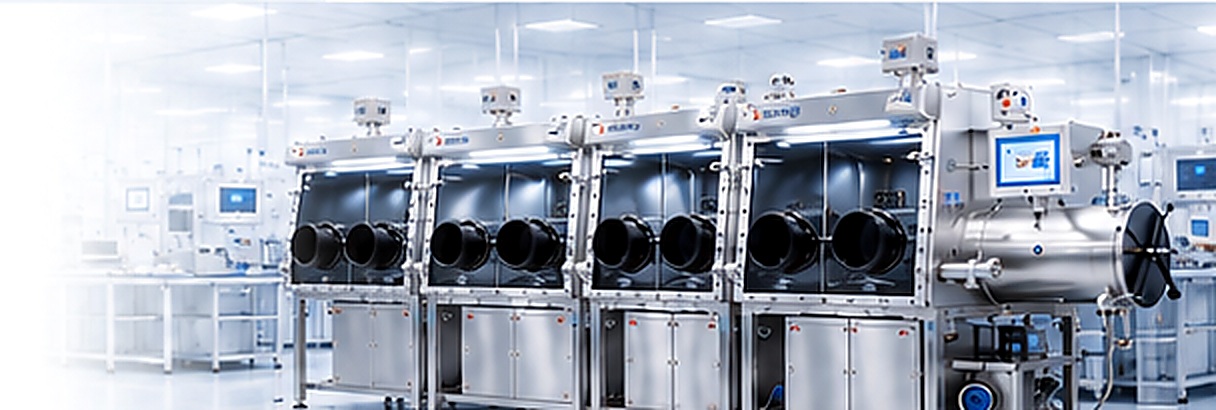
Check the atmosphere, sample transfer and bench space before selecting a laboratory glove box and requesting a configuration.
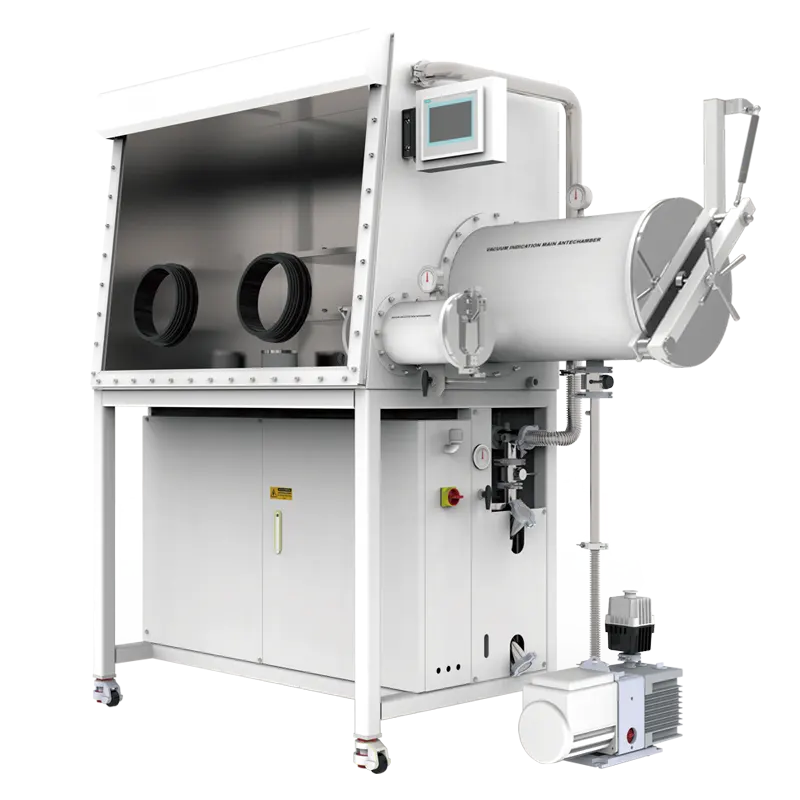
Start with the experiment
For air-sensitive chemistry, define the required oxygen and moisture limits during normal work and after transfers. Compare a recirculating gas purification glove box, a stainless steel vacuum glove box and an acrylic enclosure against those requirements. Ask whether the chosen model supports the intended pressure or vacuum and gas. Verify the containment requirements separately for any hazardous materials.
Measure the entire sample path
Measure your largest sealed container and fixture, then check the clear opening and usable depth of the transfer chamber. Allow for a tray, handles and clearance when turning. On the bench, mark the glove port reach, door swing and rear service space. For shared work, have two operators try the planned layout.
What should a quotation specify?
Give the supplier the sample dimensions, transfer frequency, intended gas, oxygen and moisture limits, and instruments that need electrical or gas connections. Ask for a drawing and a written acceptance check under the agreed conditions. For cell culture or microbiology, state the required atmosphere and containment separately and confirm suitability with the supplier.