Research Laboratory Solutions

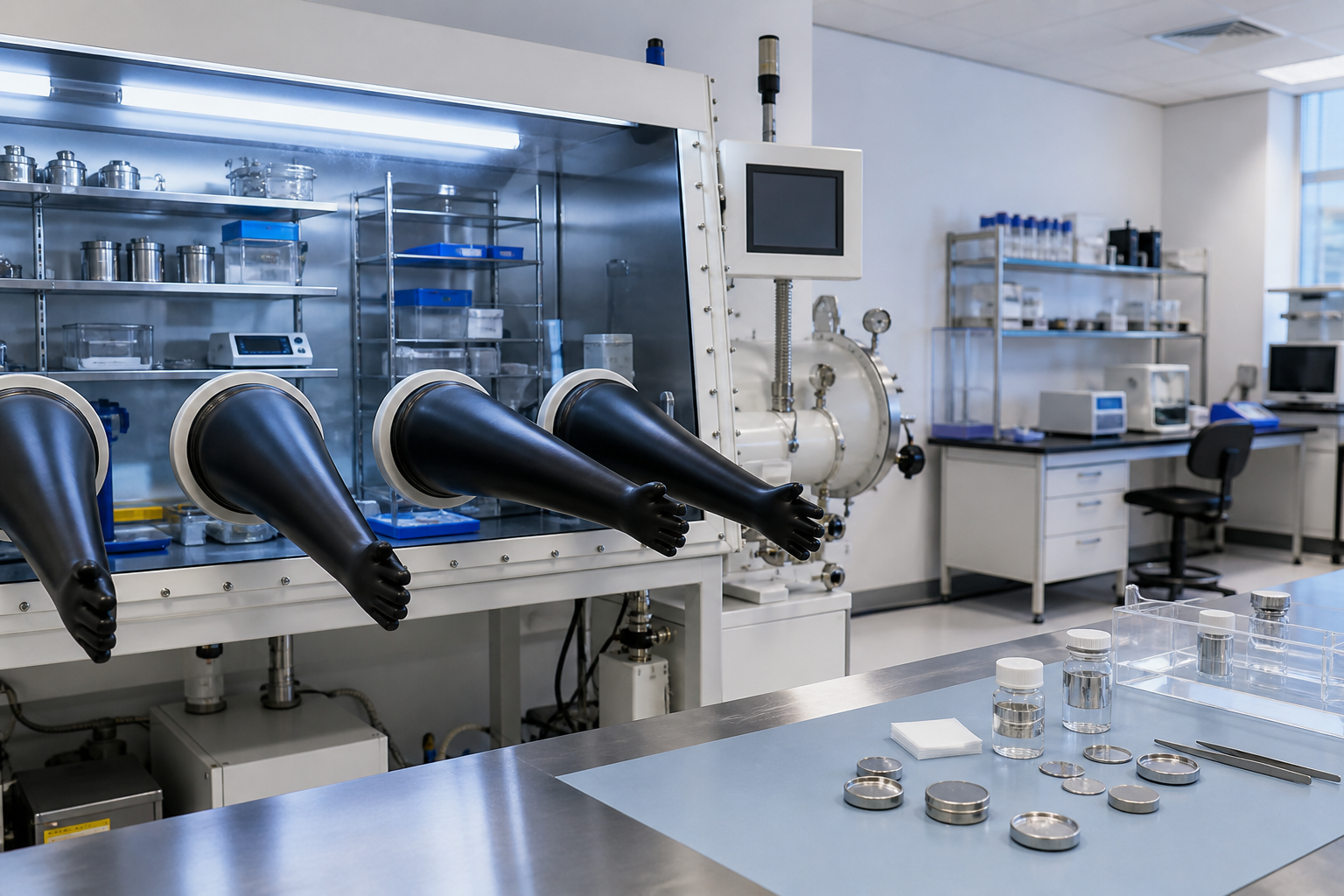
Universities and research laboratories
Glove box selection plan

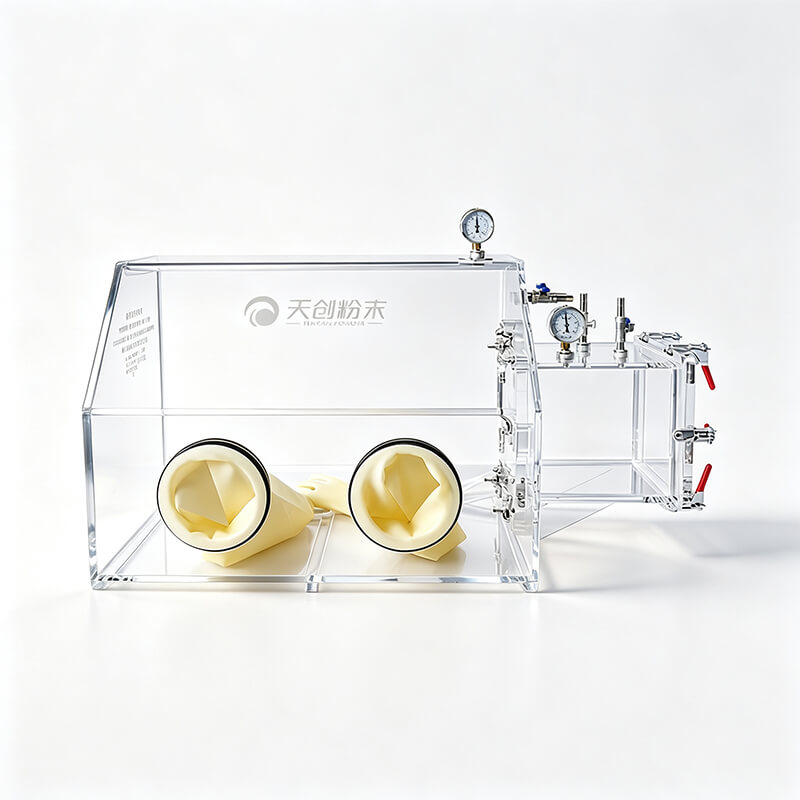
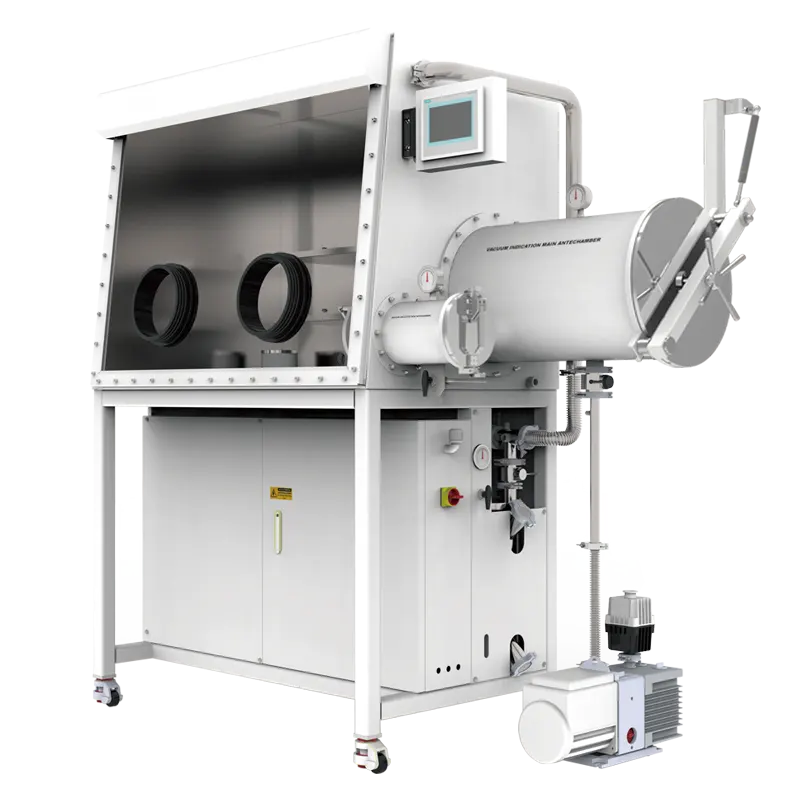
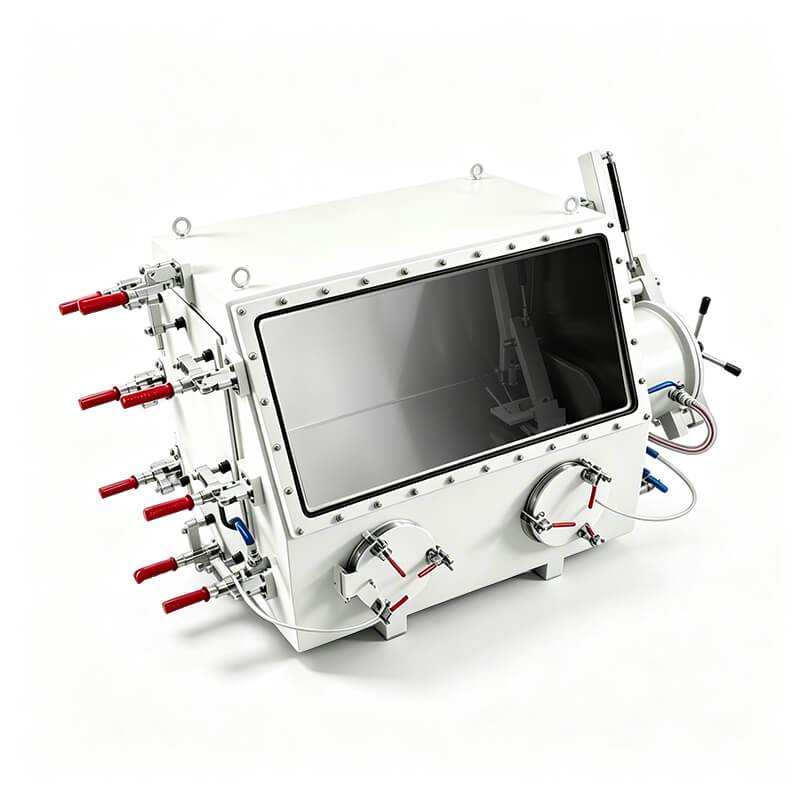
According to the budget range, material and experimental requirements, space and frequency of use, and future expansion plans, select plexiglass, vacuum or purification system glove boxes to match current needs and reserve configuration space for subsequent research.

Comparison of three types of glove boxes

Common laboratory challenges

Limited budget

Under the premise of clear performance boundaries, balance equipment configuration, frequency of use and phased investment.

Sharing with multiple people

The subject direction and operating habits are different, and it is necessary to take into account both shared use and daily management requirements.

Projects continue to change

The research content may be expanded, and the equipment configuration should leave room for subsequent process and module upgrades.

Onsite conditions are limited

Equipment size, gas, power supply, grounding and exhaust conditions need to be verified before selection.

Staff experience varies

Clear operating procedures and training arrangements can help improve the availability and safety of shared equipment.

Maintenance is easily ignored

Daily inspections, consumables and training plans should be included in project arrangements to support stable operation of equipment.
Key issues in selection (the clearer, the more accurate the plan)

01What are the main research materials
02What is the target water oxygen range
03How much time do you use every day
04Number of simultaneous operators
05Maximum sample or equipment size
06Whether to use organic solvent
07Whether internal equipment needs to be integrated
08Air source, power supply and exhaust conditions
09Do you need to share it with multiple people
10Whether expansion is needed in the future

Recommended configuration (can be combined as needed)

Standardized product package

Host and basic function configuration

Teaching operation package

Teaching usage and safety training support

Energy Storage Research Package

Confirm configuration based on materials and processes

Air Sensitive Chemical Kit

Verify the conditions by combining the reaction system

Shared lab support

Assist in planning operations and maintenance processes

Basic Spare Parts Plan

Recommendations on consumable parts and spare parts

Training and Maintenance Plan

Operation training and daily maintenance suggestions

Run record planning

Configure according to management needs

Reserved expansion interface

Leave room for follow-up projects

Procurement support

Technical specifications

Model comparison

Confirmation of installation conditions

Gas and power requirements

Budget allocation suggestions

Tender technical documents

Product drawings

Training plan

Warranty and Maintenance Plan

Select based on project, budget and laboratory conditions

Please provide research direction, target atmosphere, number of users, budget range, and laboratory space dimensions. Engineers will conduct technical communication based on the provided information and confirm the adapted configuration boundaries.
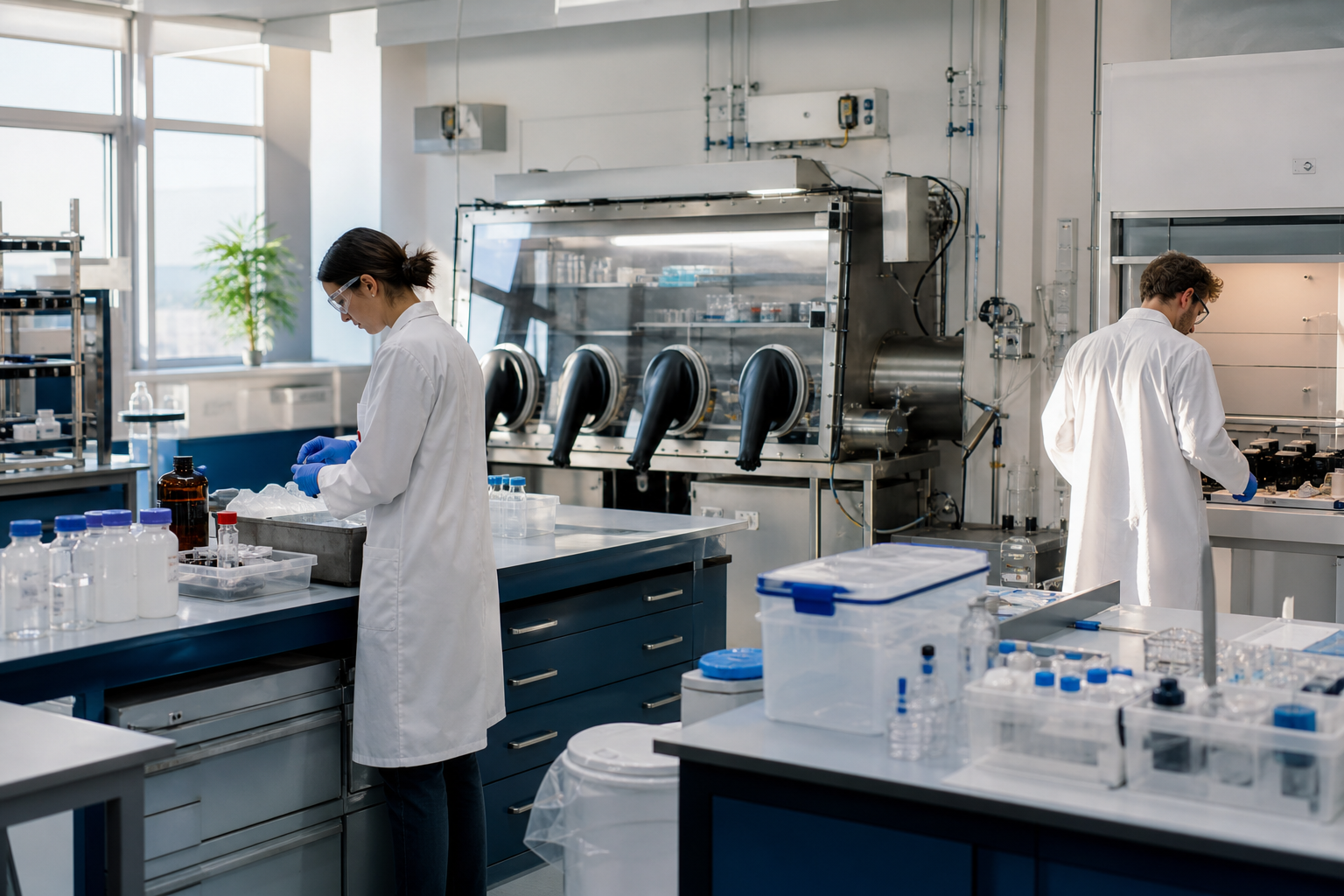
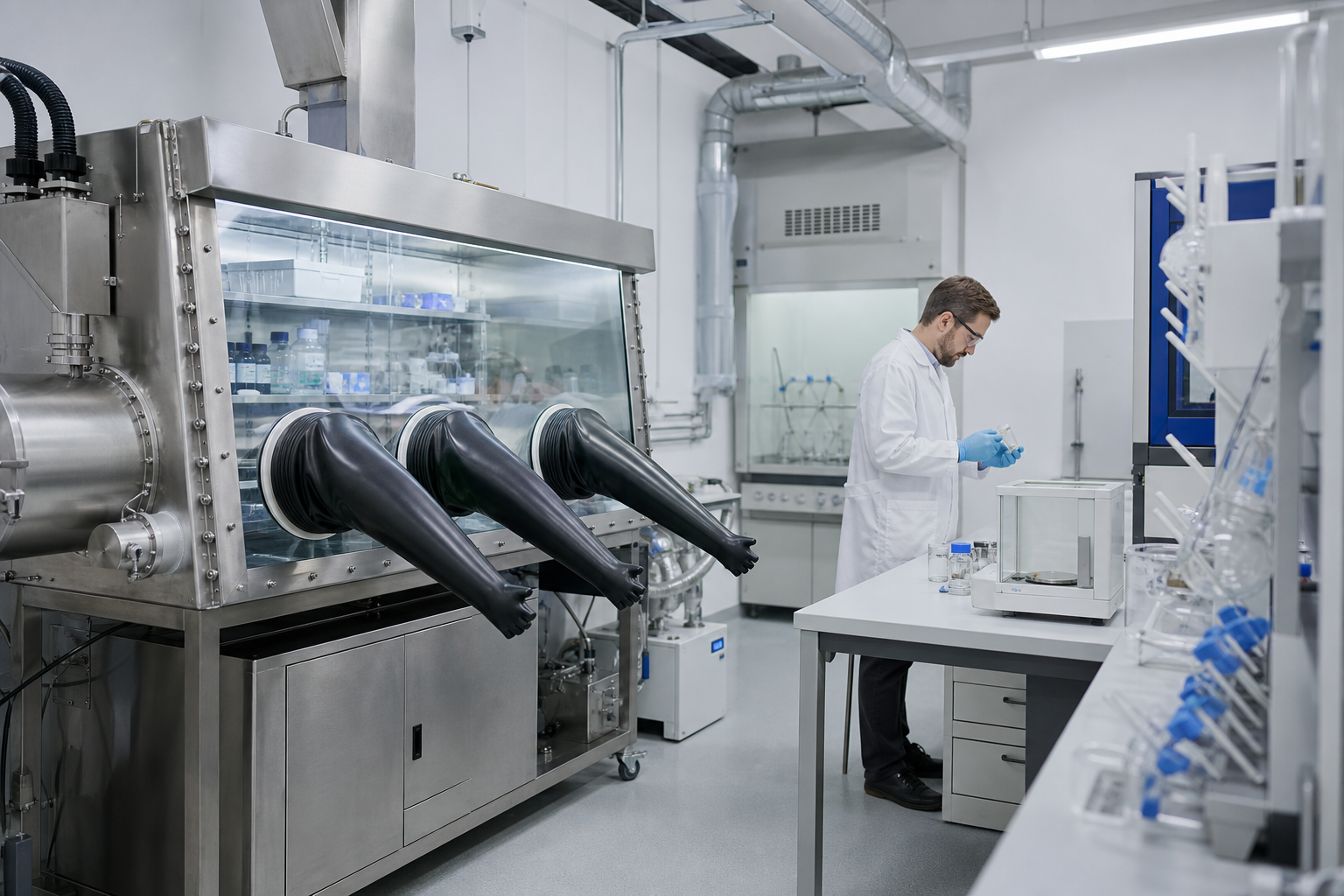
Cost of use (TCO) description

Purchase costEquipment and options
Operating costsEnergy consumption, gases and consumables
Maintenance costsInspection, maintenance and spare parts
Impact of downtimeOperational arrangements and efficiency
Usage periodEquipment maintenance and update planning
Upgrade configurationSubsequent module expansion requirements

Application scenario reference

University Materials Research Laboratory Scene

Shared materials research platform

  • Oriented to research processes such as material synthesis and energy storage material preparation.
  • Can be combined with research groups to share demand planning workstations and operating procedures.
  • Support arranging basic operation training after project confirmation.
  • The reserved interface and equipment combination must be confirmed based on the actual process.
Air sensitive chemistry research laboratory scene

Air sensitive chemistry research

  • Suitable for synthesis and material processing research that requires controlled atmosphere conditions.
  • Solvents, reactants, and safety conditions should be confirmed by the project team.
  • The maintenance cycle and consumable range are subject to the final configuration and frequency of use.
  • The integration of supporting equipment requires verification of on-site conditions.
Electrochemistry and energy storage materials research laboratory scene

Research on electrochemistry and energy storage materials

  • Can be used for sample preparation, transfer and test pre-processing.
  • The box size, transition cabin and number of workstations are planned according to the sample and equipment size.
  • Target environmental indicators and verification methods should be made clear in technical communication.
  • The scope of installation, training and technical support will be agreed upon during project confirmation.

FAQ

Not all teaching experiments must be equipped with a purification system. If it is mainly used for basic operation demonstrations or non-sensitive samples, plexiglass or vacuum glove boxes can be evaluated based on the experimental goals; when water and oxygen sensitive materials are involved, it is recommended that engineers confirm the system solution based on the process.
Plexiglass solutions usually have the characteristics of wide vision, low cost and convenient maintenance; stainless steel boxes are more suitable for some research needs in terms of sealing, durability and compatibility with vacuum and purification configurations. A comprehensive judgment should be made based on the target environment, solvent type, frequency of use and budget.
Yes. It is recommended that shared laboratories plan reservation rules, operational training, consumable records, and daily inspections simultaneously; if usage requirements are high, additional workstations, transition cabins, or expanded interfaces can be evaluated in the plan.
Common systems may use high-purity argon or nitrogen, and need to verify power supply, grounding, gas line decompression and exhaust conditions according to the configuration. Specific interface, pressure, flow and safety requirements should be subject to the final technical specifications and on-site evaluation.
Supporting content such as installation condition verification, on-site installation, basic operation training and maintenance recommendations can be confirmed in project communication. The actual service scope needs to be determined based on region, equipment configuration and procurement requirements.
Usually includes daily inspections, consumable parts such as gloves and seals, purification or filtration related consumables, vacuum pump maintenance and necessary calibration and spare parts. It is recommended that procurement, operations, maintenance and upgrade needs be considered in the project budget.
Solution Consultation

Find the Glove Box Solution That Fits Your Needs

Tell us about your application, chamber size, H2O/O2 specifications, or integration requirements, and our engineers will recommend a suitable configuration.
  • Standard products and customized integration available
  • Your requirement details are kept strictly confidential
Technical consultation specialist
Questions? Contact our technical specialists.